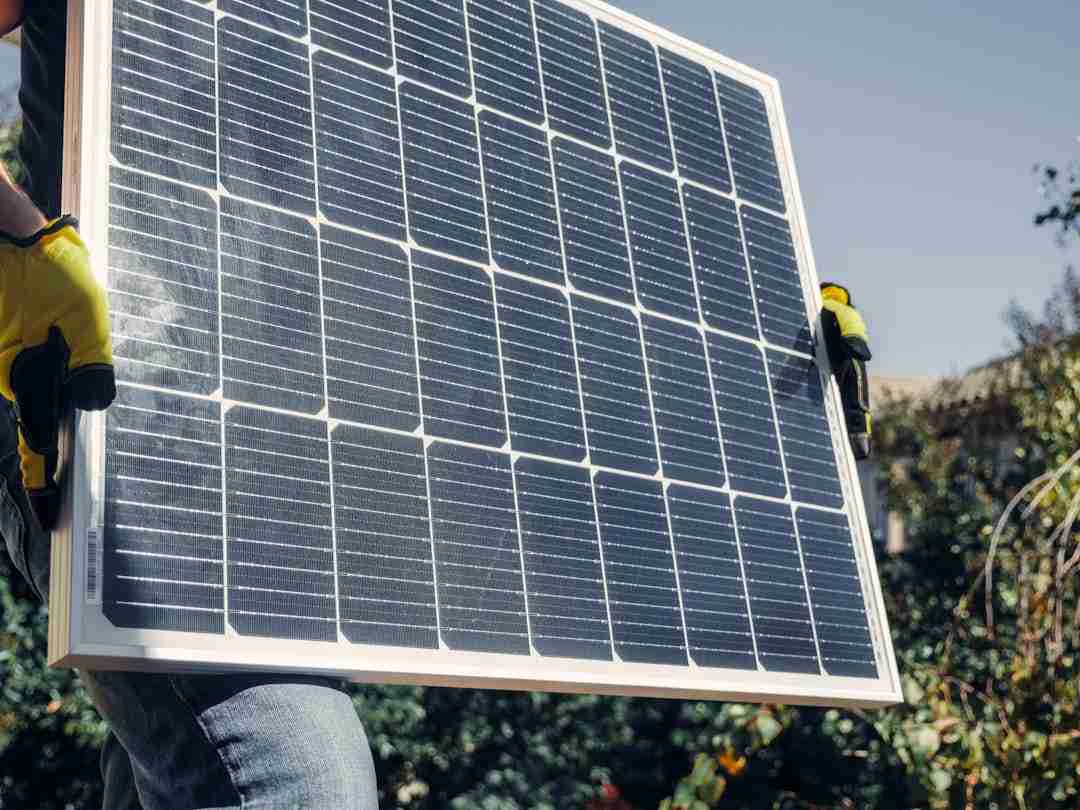
Imagine waking up to the sound of rustling leaves and the gentle hum of a solar generator instead of a blaring alarm clock. For many eco-conscious travelers, this isn't a distant dream. It's a reality they're living every day by swapping crowded airports and hotel rooms for the open road and solar-powered living. This approach allows them to reduce their carbon footprint while embracing a nomadic lifestyle that offers both freedom and sustainability.
The Cost of Transitioning to Solar Living on the Road
Switching from a traditional travel setup to a solar-powered lifestyle might seem daunting at first, especially when considering the costs involved. But here's the thing: the initial investment often pays off in the long run. On average, a portable solar panel setup can range from $200 to $600, depending on the wattage and brand. For instance, the Renogy 100W Solar Panel is a popular choice among nomads, offering a good balance between affordability and power output.
Apart from the panels, a solar generator is essential. The Jackery Explorer 500 is a reliable option that costs around $500. This device stores solar energy, allowing users to power devices even when the sun isn't shining. While the upfront cost might seem steep, many find that the savings on electricity bills and the ability to camp off-grid without relying on paid campsites quickly offsets this investment.
Furthermore, investing in durable and efficient solar equipment can minimize maintenance costs over time. Opting for brands with proven track records and positive reviews helps ensure longevity and reliability. Some travelers find it beneficial to purchase second-hand equipment, which can significantly reduce initial expenses. Websites specializing in second-hand goods or dedicated forums for travelers often have listings for lightly used solar gear at a fraction of the cost.
How to Effectively Harness Solar Power on the Go
Harnessing solar power effectively while traveling isn't always straightforward. It requires understanding how to optimize panel placement and battery usage. The most effective panels are those placed at an angle facing the sun, ideally between 30 to 45 degrees. This maximizes exposure and energy absorption throughout the day.
But there's more. It's crucial to monitor the energy consumption of devices. Tools like the Goal Zero Yeti App can help track energy usage in real-time, enabling travelers to make informed decisions about when to charge devices or run appliances. By managing energy consumption wisely, the nomadic lifestyle becomes not only sustainable but also liberating.
For those new to solar technology, starting with a small-scale setup can be beneficial. Experimenting with panel placement and tracking the impact of different angles and orientations on energy collection can offer valuable insights. Travelers have noted that even slight adjustments to the angle or location of the panels can lead to noticeable improvements in energy efficiency.
The Practicality of Solar-Powered Appliances
The beauty of solar panels lies in their ability to power a variety of appliances, making life on the road comfortable. Small appliances like laptops, phones, and LED lights are easily charged with portable solar setups. But what about larger appliances?
Many travelers successfully use solar energy to power mini-fridges and portable stoves. The Dometic CFX3 45L Portable Fridge is a favorite among van-lifers, known for its efficient energy consumption and reliability. It can operate on as little as 1.5 amps per hour, making it feasible for solar setups.
However, it's essential to prioritize which appliances to run. Running a hairdryer or microwave might not be practical, but using solar power for essential appliances ensures a balance between comfort and sustainability. Some travelers opt for manual alternatives, such as hand-crank coffee grinders or solar ovens, which reduce the reliance on electricity while adding unique experiences to daily routines.
Planning a Route with Solar in Mind
Solar-powered travel requires more than just equipment; it necessitates careful route planning. Many find that areas with abundant sunshine, like the southwestern United States or the Mediterranean, are ideal for solar-powered living. But it's not just about chasing the sun. Planning routes that offer ample opportunities to recharge panels is key.
Stay longer in sunny spots and avoid heavily shaded areas. Apps like Park4Night can help identify solar-friendly camping locations, providing reviews and insights from other travelers. By choosing routes that maximize solar exposure, travelers can ensure a steady power supply and reduce the need for backup energy sources.
Additionally, consider the seasons when planning trips. Some regions may have unpredictable weather patterns that could affect solar energy collection. Researching climate data and choosing travel destinations during sunnier seasons can enhance energy efficiency and overall experience.
Eco-Friendly Benefits Beyond Energy
The eco-friendly advantages of a solar-powered nomadic lifestyle extend beyond energy savings. By reducing reliance on fossil fuels, travelers contribute to decreased carbon emissions. According to the EPA, the average car emits about 4.6 metric tons of carbon dioxide per year. By minimizing driving and using solar power for energy needs, nomads can significantly shrink their carbon footprint.
Moreover, the lifestyle promotes minimalism. Carrying only what’s necessary encourages a focus on experiences over possessions. This shift in mindset often leads to a more fulfilling and environmentally conscious way of living. Many travelers find joy in the simplicity of living with less, which not only benefits the environment but also enhances personal freedom and satisfaction.
Challenges and Solutions for Solar Nomads
Living a solar-powered nomadic life isn't without its challenges. Weather variability can affect solar energy collection, and equipment maintenance is ongoing. However, these challenges are surmountable with a few strategic approaches.
Firstly, having a backup power source like a small gas generator or an additional battery can be invaluable during cloudy days. Secondly, regular maintenance of solar panels, such as cleaning them to remove dust and debris, ensures optimal performance. Many travelers carry a small bottle of water and a soft cloth for this purpose.
Lastly, staying informed about local weather patterns helps in planning energy usage. By adjusting travel plans or energy consumption based on the weather forecast, nomads can maintain a steady power supply. Additionally, developing a flexible mindset and adapting to varying conditions can greatly enhance the enjoyment of solar nomadism.
Embracing Community and Resources
The journey towards a sustainable nomadic lifestyle is often enriched by community engagement. Connecting with other eco-friendly travelers offers a wealth of knowledge and support. Online forums and groups, such as those found on Reddit's r/vandwellers, provide a space for sharing tips, troubleshooting issues, and finding inspiration.
In addition, numerous resources are available for those seeking to deepen their understanding of solar technology and sustainable living. Websites like Solar Power World offer valuable insights into the latest advancements and best practices in solar energy.
Participating in local meet-ups or sustainability workshops can also provide hands-on learning experiences and opportunities to network with like-minded individuals. These interactions often lead to valuable friendships and collaborative ventures that enhance the nomadic journey.
Taking the First Step Towards Solar Nomadism
For those considering the transition to a solar-powered nomadic lifestyle, the first step is often the hardest. But it doesn't have to be overwhelming. Start by researching and investing in a basic solar setup. Test it on short trips to gauge its effectiveness and learn how to adapt it to specific needs.
It's also beneficial to experiment with energy consumption habits. Track the usage of various devices and adjust habits to align with the capacity of the solar setup. This practice not only optimizes energy use but also builds confidence in managing a solar-powered lifestyle.
Ultimately, the shift to a sustainable nomadic life powered by solar energy is as much about mindset as it is about technology. By embracing the challenges and opportunities it presents, travelers can enjoy a lifestyle that is both liberating and environmentally responsible. And the best part? They get to tread lightly on the planet while exploring its vast beauty.