Picture this: cruising down a scenic highway in a camper van powered entirely by the sun, leaving no carbon footprint behind. It's not just a dream for eco-conscious adventurers; it's a reality that many are embracing. As concerns over climate change grow, the allure of a solar-powered camper isn't just about reducing emissions—it's about embracing a lifestyle of freedom and sustainability. But how does one transform an ordinary camper into a solar-powered machine? Here's how.
The Numbers: What It Costs to Go Solar
Transforming a camper into a solar-powered haven isn't just about slapping a few solar panels on the roof. It's a project that requires investment, both in time and money. On average, a basic solar setup for a camper might cost between $600 to $2,000, depending on the size and efficiency of the system. This price range typically includes the cost of solar panels, a charge controller, an inverter, and the necessary wiring.
Consider the Renogy Solar Panel Kit, a popular choice among van lifers. A 200-watt kit might set you back around $370, offering a balance between affordability and functionality. But remember, installation isn't just about the hardware. Many choose to hire professionals for the electrical work, which can add another $500 to $1,000 to the total cost. It's a significant investment upfront, but the long-term savings on fuel and the environmental benefits make it worthwhile for many.
It's also worth considering the potential financial incentives available for those who opt for solar energy solutions. Some regions offer rebates or tax credits for solar installations, which can significantly reduce the initial expenditure. Researching local government programs or incentives can be a savvy way to offset part of the installation costs.
Choosing the Right Solar Panels: Efficiency vs. Space
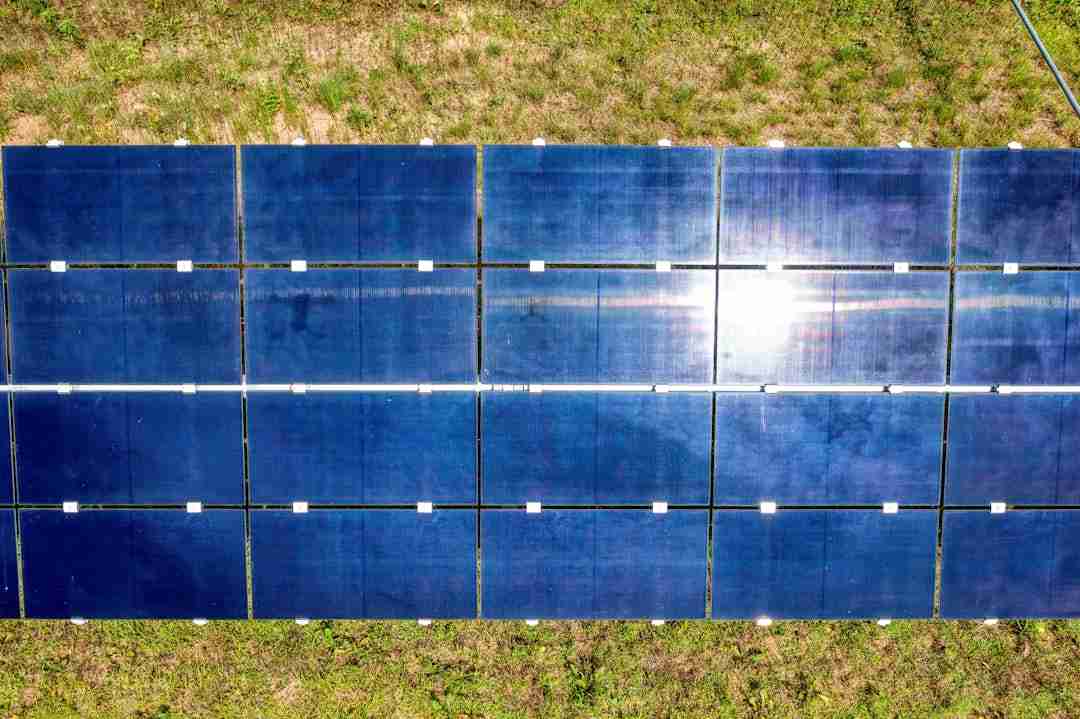
For those new to solar power, selecting the right panels can feel overwhelming. There are primarily three types of solar panels: monocrystalline, polycrystalline, and thin-film. Monocrystalline panels are known for their efficiency and durability, making them a top choice for limited roof space. However, they can be pricier.
Polycrystalline panels, while slightly less efficient, offer a more budget-friendly option. Thin-film panels, on the other hand, are lightweight and flexible, making them ideal for irregular surfaces but often require more space for the same power output. The choice between these options depends on the camper's roof space and budget constraints.
Professionals often suggest considering a hybrid approach, combining different types to maximize efficiency and space usage. This isn't always straightforward, but with careful planning, you can achieve a balanced setup. It's helpful to use online solar calculators, which can provide estimates based on panel types and roof dimensions, aiding in the decision-making process.
The Role of Inverters and Charge Controllers
Solar panels alone aren't enough. They generate direct current (DC) electricity, but most household appliances run on alternating current (AC). This is where an inverter comes in. A pure sine wave inverter is often recommended for its efficiency and ability to handle sensitive electronics, though it's more expensive than a modified sine wave inverter.
Then there's the charge controller, which regulates the voltage coming from the panels to the batteries. The Victron Energy SmartSolar Charge Controller, for instance, is praised for its ability to optimize battery charging and prevent overcharging, enhancing the lifespan of the battery setup.
The combination of a good inverter and charge controller ensures that the camper's power system operates smoothly, making road trips both safe and sustainable. When choosing these components, it’s wise to consult with experts or use resources like online forums where experienced van lifers share insights and product reviews.
Battery Options: Lithium vs. Lead-Acid
Choosing the right battery is crucial for any solar setup. Lithium batteries, such as the Battle Born LiFePO4, are favored for their longevity and efficiency. They might cost more upfront, but their lifespan often justifies the investment, especially for those who travel frequently.
Lead-acid batteries, while cheaper, are heavier and have a shorter lifespan. They also require regular maintenance, which can be a hassle for those new to solar setups. However, for those on a tight budget, they offer a viable starting point. Experts usually recommend calculating the energy needs of the camper first to ensure the chosen battery type and capacity align with those requirements.
To make an informed decision, consider conducting an energy audit of your camper. Determine the wattage of each device and appliance you plan to power, and calculate the total energy consumption. This information is pivotal in selecting a battery that meets your needs without overinvesting in excess capacity.
Installation: DIY or Professional Help?
Deciding between DIY installation or hiring a professional boils down to one's comfort with electrical work. For the hands-on adventurer, numerous online resources and tutorials can guide the installation process. Websites like Instructables offer step-by-step guides that demystify the process.
However, for those less familiar with wiring and electrical components, hiring a professional ensures safety and efficiency. Many find that the peace of mind provided by professional installation outweighs the cost. The reality is, improperly installed solar setups can lead to inefficiencies or even electrical hazards.
For the DIY enthusiast, it's essential to ensure that all components are compatible and that you have the necessary tools. Investing in quality tools can make the installation process smoother and more efficient. Online communities often provide support and advice, making the DIY route more accessible.
Maintenance and Troubleshooting: Keeping the System Efficient
Once the solar system is up and running, regular maintenance ensures its longevity and efficiency. This involves cleaning the panels to prevent debris from blocking sunlight, checking connections for corrosion, and ensuring the battery is in good health.
Troubleshooting is part of the journey. Common issues include underperforming panels, which might be due to shading or dirt, and battery performance dips, often resolved by checking the charge controller settings. It's recommended to keep a multimeter handy for regular checks. Resources such as Solar Power World offer valuable tips and insights for maintaining solar systems.
Additionally, tracking energy consumption using apps or monitoring systems can help identify inefficiencies early. These tools provide real-time data and alerts, empowering you to make informed decisions about your energy usage and maintenance needs.
Real-Life Example: The Solar-Powered Camper Experience
Take the example of a couple who transformed their camper into a solar-powered dream. With a budget of $1,500, they installed 300 watts of solar panels, a 200Ah lithium battery, and a pure sine wave inverter. By opting for a DIY installation, they saved on labor costs, allowing them to invest more in quality components.
Their setup supports essential appliances like a fridge, lights, and charging stations for devices. This self-sufficiency not only reduces their carbon footprint but also enhances their travel experience, freeing them from the constraints of traditional power sources.
For those considering a similar journey, reaching out to others who have successfully installed solar systems can provide practical insights and encouragement. Many van life communities share their experiences through blogs and social media, creating a wealth of information for newcomers.
The Eco-Friendly Future of Travel
Embracing solar power for campers isn't just a trend; it's a step towards more sustainable travel. As technology advances, the efficiency and affordability of solar solutions continue to improve, making it accessible to a wider audience. The freedom to travel without relying on fossil fuels is a powerful motivator, and many travelers find that their solar setups pay for themselves over time through savings on fuel and campground fees.
For those considering this transition, starting small and expanding as needs grow is a practical approach. Whether it's a weekend getaway or a cross-country journey, solar power offers a way to explore the world while preserving it for future generations. Today, readers can begin by assessing their current energy needs and researching suitable components, taking the first concrete steps toward a solar-powered adventure.