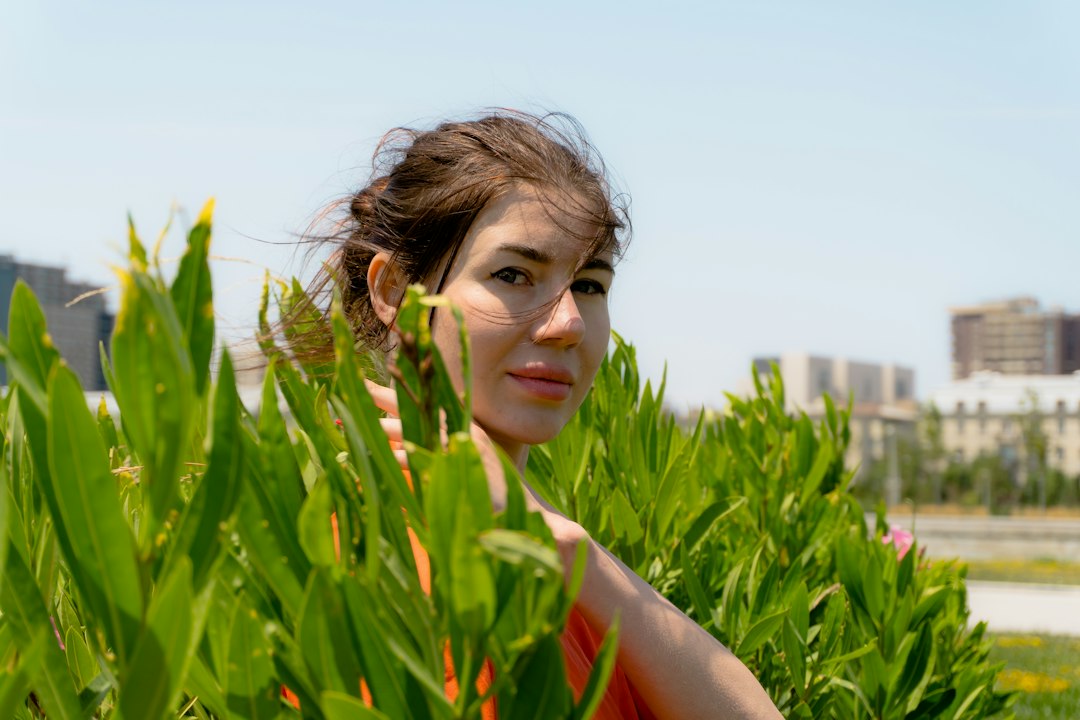
Imagine wandering through a bustling city, surrounded by towering skyscrapers and the hum of traffic, when you suddenly spot a patch of wild greens flourishing in a forgotten corner of a city park. The idea that you could gather a meal right here, amidst the urban sprawl, might seem far-fetched. But urban foraging offers digital nomads a unique opportunity to supplement their diets sustainably and affordably, turning city life into an unexpected food source.
Navigating Urban Foraging Laws: Staying on the Right Side
Before you start plucking plants from the ground, it's essential to know the legal landscape of urban foraging. Not all cities have the same rules, and some have restrictions on what you can gather and where. Urban foraging is often permitted in public parks and greenways, but it’s important to verify local laws. Some cities might require permits, while others strictly prohibit foraging in certain areas to protect endangered species or maintain ecological balance. Check with city regulations or local foraging groups online. Websites like Falling Fruit provide maps and guidelines specific to urban foraging in various locations. It's wise to connect with local environmental organizations or community boards, as they can offer insights into permissible practices and potential updates to regulations.
Essential Tools and Apps for Identifying Edible Plants
Identifying edible plants in an urban setting can be daunting without the right tools. A plant identification app like PlantSnap can be invaluable. Simply snap a photo of the plant, and the app will help identify it. However, technology isn't infallible; cross-reference with field guides specific to your region, which provide detailed descriptions and images of edible plants and herbs. For a more hands-on approach, consider joining a local foraging group. Experienced foragers can offer insights and safety tips that apps might miss. Participating in guided foraging walks or workshops can also enhance your understanding, as these events often cover plant identification, seasonal availability, and sustainable harvesting techniques.
Discovering Prime Foraging Spots: Parks, Tree Pits, and More
Urban environments are dotted with potential foraging locations, but knowing where to look is key. Parks are obvious choices, offering a variety of greens and herbs. Tree pits, those small patches of soil around city trees, often host edible plants like dandelions and plantain. Abandoned lots, while not the most scenic, can be treasure troves of wild edibles. In some cities, community gardens may allow foraging with permission, adding another dimension to your urban harvest. Always be cautious of pollution; avoid areas near heavy traffic to reduce the risk of contamination. Waterways and urban ponds can also be sources of edible plants such as watercress, but ensure the water quality is safe before consumption.
Foraging Ethics and Safety: From Gathering to Cooking
While foraging, it's crucial to follow ethical practices. Only take what you need, ensuring enough is left for the ecosystem and other foragers. Avoid over-harvesting, especially in popular areas. Respect the wildlife and habitats, leaving no trace of your presence. Once you've gathered your greens, safety becomes a priority. Wash everything thoroughly to remove any pollutants or pesticides. A simple rinse might not suffice; soaking in a vinegar solution can help ensure cleanliness. Consider using a brush to scrub roots and thicker leaves to remove embedded dirt.
When it comes to cooking, many urban edibles are versatile. Dandelion leaves, for instance, can be sautéed like spinach or added raw to salads. Plantain leaves can be boiled and used in soups. Familiarize yourself with preparation techniques to bring out the best flavors. It's also beneficial to understand the nutritional value of your finds; for instance, nettles are high in iron and can be substituted for spinach in most recipes, offering a nutrient-rich alternative.
Transforming Foraged Finds into Nutritious Meals
Urban foraging can supplement your meals in creative ways. Consider a simple wild greens pesto. Blend a mix of foraged greens like dandelions and chickweed with garlic, nuts, and olive oil. This pesto can be used as a pasta sauce, a spread for sandwiches, or a topping for grilled meats and vegetables. Or whip up a wild herb frittata using eggs and whatever edible greens you've gathered. Experimenting with these ingredients can lead to delightful culinary discoveries. You might also try infusing oils with wild herbs, such as rosemary or thyme, to enhance dishes with subtle, aromatic flavors.
Practical Steps to Start Urban Foraging Today
Ready to start foraging? Here are a few steps to begin:
- Research Local Laws: Understand the legalities of foraging in your area.
- Equip Yourself: Download a plant identification app and perhaps acquire a regional field guide. Consider investing in a small foraging knife or scissors for clean cuts.
- Scout Locations: Visit parks, tree pits, and safe abandoned lots. Take note of seasonal changes, as some plants may only be available during certain months.
- Practice Ethical Foraging: Take only what you need and leave enough for nature. Share knowledge with fellow foragers to foster a community of respect and sustainability.
- Prepare for Safety: Thoroughly wash and prepare your finds before consumption. Be mindful of any allergies or sensitivities, especially when trying new plants.
Urban foraging can be a rewarding way to connect with your surroundings while living sustainably. It requires a bit of research, some tools, and a sense of adventure. With these steps, city life can become a source of free, nutritious, and eco-friendly meals.
Incorporating Foraging into Your Lifestyle
Integrating urban foraging into your daily routine can be both practical and enjoyable. Start by setting aside time each week to explore new foraging spots, perhaps combining it with a leisurely walk or a bike ride. Keep a small foraging kit ready, including bags, a knife, and gloves, so you're always prepared for spontaneous discoveries. Consider documenting your finds with a journal or blog, not only to track your culinary experiments but also to inspire others to join the foraging movement. Over time, you'll develop a deeper appreciation for the natural bounty hidden within urban landscapes, leading to a more sustainable and mindful lifestyle.
Featured photo: [Photo by Zulfugar Karimov on Unsplash](https://unsplash.com/@zulfugarkarimov?utm_source=bloggen_pro&utm_medium=referral).