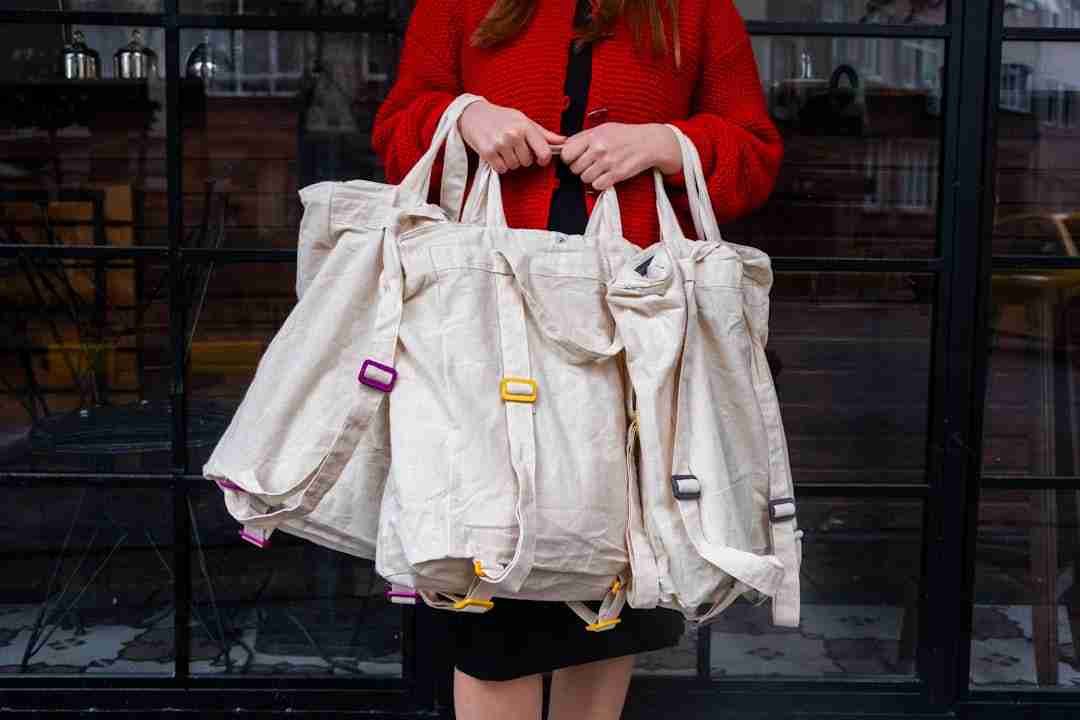
Imagine waking up to the soft chirping of birds, the scent of fresh mountain air filling your nostrils, and knowing that your only task for the day is to explore the vibrant landscapes that surround you. This isn't a vacation—it's a lifestyle. Welcome to the world of eco-friendly nomads, where backpacks and bicycles become more than just gear; they are gateways to a sustainable and adventurous life. As the trend of sustainable living gains momentum, many are choosing this path not just to minimize their environmental footprint but to embrace a life of freedom and simplicity.
Choosing the Right Backpack: Weight and Durability Matter
Selecting the right backpack is crucial for any nomad, and it's not just about style. The reality is, a well-chosen backpack can be the difference between comfort and chaos. Experts suggest focusing on weight and durability. Look for backpacks made from recycled materials, like the Patagonia Black Hole Pack, which is both sturdy and eco-friendly.
Consider the size—most nomads find that a 40-50 liter backpack hits the sweet spot, offering enough space without being cumbersome. Inside, organization is key. Opt for one with multiple compartments to keep your gear sorted. Remember, every ounce counts when you're carrying your home on your back. Some nomads also recommend investing in waterproof covers to protect your belongings during unexpected weather changes, ensuring that all essentials stay dry and usable.
Bicycles: The Ultimate Green Transport
Bicycles are not just an eco-friendly option; they offer unparalleled freedom. Research shows that cycling is one of the most efficient forms of transportation, especially when covering short to medium distances. For nomads, a reliable bicycle can open up a world of possibilities. Models like the Trek FX 3 Disc are lightweight and built for varied terrain, making them ideal for diverse environments.
Maintenance is key. Regularly check tire pressure and chain lubrication to ensure a smooth ride. Some nomads carry a portable repair kit to handle minor repairs on the go. The freedom of cycling combined with the low environmental impact makes it a favored choice for those embracing sustainable travel. Consider investing in panniers or a bike trailer to expand your carrying capacity without sacrificing the agility that bicycles provide.
Sustainable Lodging: From Hostels to Hammocks
When it comes to lodging, the options are as varied as the landscapes one might encounter. Hostels remain a popular choice due to their affordability and community vibe. Many are now adopting sustainable practices, such as solar power and water-saving systems. Websites like Hostelworld can help you find eco-friendly options.
For those who prefer the solitude of nature, camping or hammock stays offer an intimate experience with the environment. Always follow Leave No Trace principles to minimize impact. This includes packing out all trash and avoiding sensitive areas. Investing in a quality hammock, such as the ENO DoubleNest, provides comfort and flexibility, allowing for rest almost anywhere. It's wise to carry a lightweight tarp for protection against unpredictable weather, ensuring a comfortable night's sleep regardless of conditions.
Eating Sustainably on the Road: Local and Fresh
Food can be one of the trickiest aspects of living on the road, but it also presents an opportunity to embrace sustainability. Many find success by shopping at local markets, where produce is fresh and packaging is minimal. This not only supports local communities but reduces the carbon footprint associated with transporting goods.
Cooking your own meals is another way to ensure sustainability. Portable camping stoves like the Jetboil Flash are efficient and easy to use, allowing you to prepare meals anywhere. Focus on plant-based options to further reduce your impact. Simple meals like lentil stew or vegetable stir-fry are nutritious and easy to prepare on the go. Consider learning some local recipes to enhance your culinary experience while supporting local agriculture.
Digital Tools: Staying Connected and Organized
While the goal might be to disconnect from the rat race, staying organized and connected is essential. Digital tools can be invaluable for this. Notion is a versatile app that allows you to plan your travel itinerary, keep track of expenses, and even journal your experiences.
Maps are a nomad's best friend. Apps like Komoot offer detailed maps for cycling and hiking, making it easier to plan routes and discover new trails. Staying connected is also important for safety; consider using a GPS tracker if traveling in remote areas. Additionally, having a reliable power bank can ensure your devices are charged and ready, particularly when staying in areas with limited electricity access.
Budgeting for a Nomadic Lifestyle: What to Expect
Living as a nomad doesn't mean living without financial planning. Budgeting is crucial, as it helps to avoid surprises and ensures sustainability in the long run. A typical nomad might spend between $800 to $1,500 a month, depending on location and lifestyle choices.
Track expenses using apps like YNAB (You Need A Budget) to ensure you're not overspending. Always have an emergency fund; life on the road can be unpredictable. Many nomads find ways to earn while traveling, such as freelance work or seasonal jobs, which can provide financial stability and enrich the journey. Exploring platforms like Upwork or Fiverr can connect you to remote work opportunities that fit your skill set.
Minimalism: The Art of Less for More Freedom
Minimalism isn't just a buzzword; it's a practical approach that complements the nomadic lifestyle. By choosing quality over quantity, you can carry less and enjoy more. Every item should serve a purpose, from your clothing to your gear.
Consider the versatility of your wardrobe. Opt for clothes made of merino wool, which is lightweight, durable, and resistant to odors—perfect for extended travel. This approach not only lightens your load but also reduces decision fatigue, allowing you to focus on the experiences rather than the logistics. Evaluate your gear regularly and be ready to substitute items that better fit your evolving needs.
Community and Connection: Finding Your Tribe
Traveling alone doesn't mean being lonely. Many nomads find community through shared experiences. Platforms like Couchsurfing provide opportunities to meet locals and other travelers, fostering connections that can last a lifetime.
Participating in local events or volunteering can also enrich your experience and forge deeper connections with the places you visit. These interactions often lead to a more meaningful journey, offering insights into different cultures and lifestyles. Engaging with online communities dedicated to sustainable travel can also provide support and ideas for your journey.
Leaving a Positive Impact: Eco-Friendly Practices
As an eco-friendly nomad, the goal isn't just to tread lightly but to leave places better than they were found. Engage in practices that benefit the environment, such as participating in local clean-up events or supporting conservation projects.
Educate yourself about the environments you visit. Understanding local ecosystems can inform your choices and ensure you contribute positively. This approach not only enhances personal growth but also ensures that future travelers can enjoy the same beautiful landscapes. Consider using your journey to raise awareness about sustainability, sharing your experiences and tips with others.
Embracing the Unpredictable: Adaptability is Key
Life as a nomad is full of surprises. Weather changes, plans shift, and sometimes things don't go as expected. Adaptability is the cornerstone of a successful nomadic lifestyle. Embrace the unexpected and learn from every experience.
Preparing for the unpredictable doesn't mean being pessimistic; it's about having the tools and mindset to navigate challenges. Whether it's a sudden storm or an unexpected detour, these moments often lead to the most memorable adventures. Equip yourself with basic survival skills, such as first aid and navigation, to enhance your resilience on the road.
Sustainable nomad life is not without its challenges, but for those who choose this path, the rewards can be immense. By embracing a lifestyle rooted in simplicity, respect for nature, and a sense of adventure, you can find freedom and fulfillment. Today is a great day to start planning your own journey, whether it's a weekend getaway or a lifelong adventure. The world is out there, waiting to be explored sustainably.