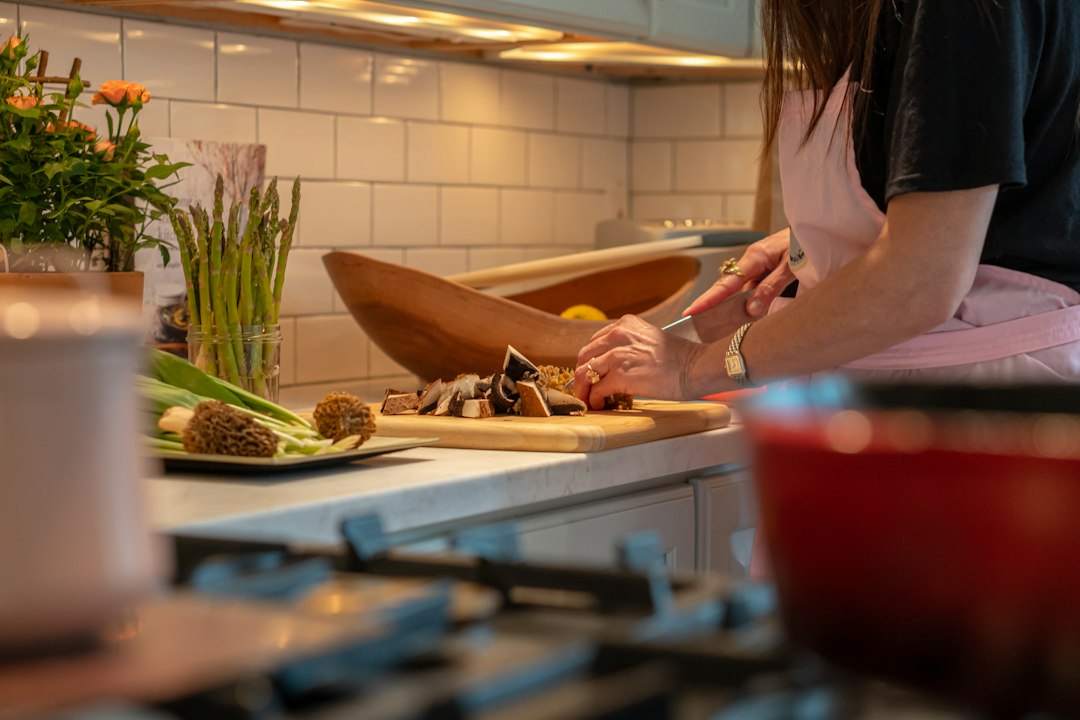
Imagine stepping into a shared kitchen in a bustling city like Berlin or a serene coastal town in Portugal. You’re only there for a month or two, but the kitchen looks like it’s been set up for a lifetime of convenience. Plastic cutlery, single-use pans, and disposable plates are everywhere. It doesn’t have to be this way. By setting up a low-waste, shared kitchen in your short-term rental, you can enjoy your stay while minimizing your environmental impact and even fostering a sense of community with fellow travelers.
Sourcing and Sharing: The Essentials for a Durable Kitchen Setup
When you're setting up a temporary kitchen, it's tempting to buy everything new and cheap. But investing in—or borrowing—some durable essentials can make all the difference. Start by packing a few key items, like a reusable water bottle, a stainless steel straw, and a collapsible container. These are lightweight and easy to carry, yet incredibly versatile. Having these items on hand can save you from relying on wasteful single-use alternatives.
For other kitchen essentials, consider sourcing locally. Visit thrift stores or community markets for second-hand pots, pans, and utensils. This not only saves money but also supports the local economy. If you’re in a popular nomad spot, there's likely to be a community of travelers with their own mini kitchen setups. Borrowing or trading items is a great way to get what you need without buying new. In places like Lisbon or Bali, expat groups often have social media pages where you can find people willing to lend or swap kitchen gear.
To further enhance your sustainable kitchen, think about investing in a compact, portable water filter. This can reduce the need for bottled water, cutting down on plastic waste significantly. Also, consider a small, travel-sized set of biodegradable cleaning products. These can be refilled and reused, ensuring that even your cleaning routine stays green.
Organizing Your Kitchen Co-op: The Power of Collaboration
Once you’ve got your essentials, it’s time to think about how you and your housemates can work together. Setting up a kitchen co-op can reduce waste and costs while making meal prep more enjoyable. Start by creating a shared shopping list for bulk items like grains, pasta, and spices. Buying in bulk reduces packaging waste and is often cheaper. It also allows for experimentation with different grains and pulses that you might not have tried before.
Organize a rotating meal prep schedule. Each person takes turns cooking for the group, which not only saves time but also introduces everyone to new cuisines. This is an excellent opportunity to learn new cooking techniques and recipes from different cultures. Perhaps one housemate is a whiz at making homemade pasta, while another can teach everyone how to make a traditional Japanese miso soup. These shared culinary experiences can enrich your travels far beyond the kitchen.
And don't forget about cleaning. Establish a cleaning rota to ensure the kitchen stays tidy and hygienic. This simple system encourages everyone to contribute, making the shared space more pleasant for all. A tidy kitchen is more inviting and less stressful, promoting a more harmonious living environment. Consider setting up a communal fund for eco-friendly cleaning supplies to maintain a sustainable approach to cleanliness.
Smart Storage Solutions: Keeping Waste at Bay
Effective storage is crucial in a shared kitchen, especially for short stays. Opt for glass jars or silicone bags instead of plastic containers. Label these with what’s inside and the date it was stored to avoid food waste. If you have access to a freezer, use it to extend the life of perishables. Freezing leftovers or pre-prepared ingredients can save both time and money, preventing last-minute dashes to the store.
For perishables that might not last, coordinate with housemates to use them up in communal meals. This prevents food from going bad and encourages creativity in the kitchen. Have a few go-to recipes that can adapt to whatever ingredients are available. Stir-fries, soups, and casseroles are versatile dishes that can incorporate a variety of vegetables and proteins.
Consider also a labeling system for shared items versus personal ones to avoid confusion and potential waste. Use color-coded stickers or tags to indicate what belongs to whom or what is available for communal use. This simple strategy can prevent misunderstandings and ensure that everyone feels comfortable using the shared space.
Leaving a Legacy: Passing on Your Kitchen Setup
As your stay comes to an end, consider how you can minimize waste when moving out. If you’ve purchased items you can’t take with you, pass them on to incoming travelers or donate to local charities. This not only reduces waste but also helps the next wave of nomads settle in more sustainably. Look for local charitable organizations that accept kitchen supplies, or consider leaving a small “free to take” box in the communal area.
You can also leave a note or a guide for future guests, detailing the kitchen setup and any tips for keeping it sustainable. This small gesture can inspire others to continue the low-waste practices you’ve started. Include your favorite local markets, where to find bulk goods, or even recipes that can be made with typical local ingredients. Your insights can transform an unfamiliar place into a welcoming home for the next traveler.
Practical Strategies for Everyday Kitchen Sustainability
Even with the best setup, day-to-day habits play a huge role in maintaining a low-waste kitchen. Be mindful of portion sizes to avoid food waste. Use cloth towels instead of paper ones. And opt for homemade meals over takeout to cut down on packaging. These small changes can significantly impact your overall waste production.
Consider joining local food sharing networks, where you can exchange excess ingredients or meals. This not only helps reduce waste but also connects you with the local community. Apps and platforms like Olio or local Facebook groups can be great resources for finding and sharing food with others in your area. Participating in these networks can also lead to unexpected friendships and cultural exchanges.
Another way to practice sustainability is by composting. Even in a temporary setup, small countertop compost bins can be found or made from recycled materials. Research local composting programs or drop-off sites where you can contribute your food scraps. This practice closes the loop of your food cycle and enriches the local soil, benefiting the environment long after you’ve left.
Making the Most of Your Nomad Kitchen Experience
Setting up a low-waste, shared kitchen while living temporarily doesn’t just benefit the environment—it can enhance your travel experience. By collaborating with housemates, you’ll build a community that feels like home, even if just for a short while. Sharing meals and sustainable practices can forge connections that endure beyond your stay.
When you move on, you’ll leave behind a space that’s ready to welcome and inspire the next digital nomad. The efforts you make in setting up a sustainable kitchen can become part of an ongoing tradition, encouraging responsible travel and living. Ready to try this out? Start by packing a few durable essentials and reaching out to your housemates. Your sustainable journey begins with just a few small changes.
Featured photo: [Photo by Douglas Fehr on Unsplash](https://unsplash.com/@roninfehr?utm_source=bloggen_pro&utm_medium=referral).