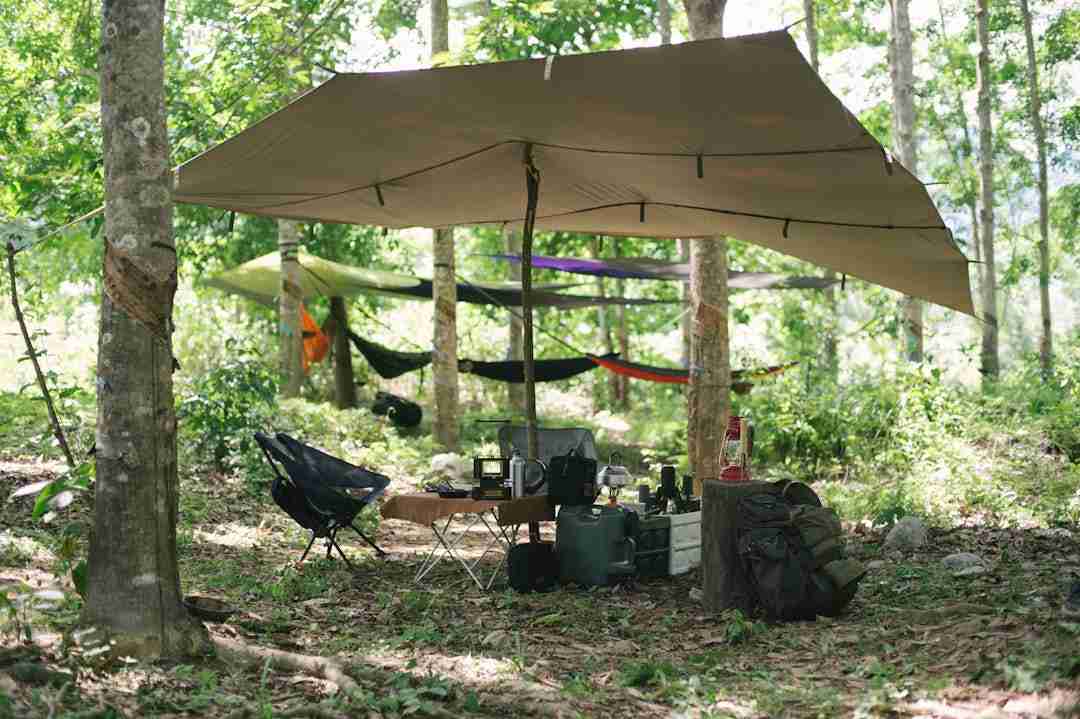
Imagine waking up to the gentle sway of a hammock strung between two trees, the cool morning breeze rustling leaves overhead, and the scent of fresh pine wafting through the air. For many, this isn't just a dream but a reality of eco backpacking. Trading the predictable comforts of hotels for the raw beauty of nature is increasingly appealing to those seeking a carbon-free journey. The allure isn't just in the adventure but in the sustainable lifestyle that accompanies it, offering a way to travel lightly both on the earth and on the soul.
Choosing a Lightweight Hammock Over Traditional Lodging
Traveling sustainably often means rethinking accommodation. A hammock offers a minimalist alternative to hotels, reducing both cost and carbon footprint. Lightweight and easy to pack, hammocks like the ENO DoubleNest weigh less than two pounds and can be set up in minutes. They provide not just a place to sleep but a direct connection to the environment.
The cost-saving aspect is significant. While a hotel can average $150 per night, a hammock setup might cost a one-time investment of $40-$100. Beyond savings, hammocks allow access to remote locations—places where hotels don't reach and where nature's beauty is unmarred by human structures. But, it's essential to ensure the chosen spot permits camping and that local regulations are followed to protect the environment and local wildlife.
When selecting a location for hammock camping, consider factors such as tree health and spacing. Trees should be sturdy and at least six inches in diameter to support weight safely. Using tree-friendly straps, which distribute weight evenly and prevent bark damage, is another critical practice that aligns with sustainable methods.
Packing Eco-Friendly Gear: The Essentials
Packing for an eco backpacking trip requires careful consideration of gear that aligns with sustainable values. Start with a durable, recyclable backpack, such as those offered by Patagonia, known for their commitment to environmental responsibility. Look for essentials like solar-powered chargers, biodegradable soap, and reusable utensils and water bottles to minimize single-use plastic.
Clothing should be versatile and weather-appropriate. Layering is key, allowing for adjustments as temperatures change. Opt for materials like organic cotton or recycled polyester, which reduce the environmental impact. A water filter or purification tablets are also crucial, ensuring access to clean water without relying on plastic bottles.
Food choices matter too. Bring non-perishable, high-calorie snacks like nuts and dried fruits, ideally purchased in bulk to reduce packaging waste. Cooking can be done with a compact, fuel-efficient stove or even a small solar oven for longer trips. Consider investing in a vacuum flask for hot beverages, which can provide comfort without needing a campfire, thereby reducing wood consumption.
Navigating Trails with Minimal Impact
Eco backpacking isn't just about where you sleep; it's about how you move through nature. Adhering to Leave No Trace principles is vital. This means sticking to established trails to prevent erosion and damage to vegetation. When setting up camp, choose durable surfaces like rock or gravel instead of delicate plant life.
Many find that using a GPS app, such as AllTrails, can help navigate while minimizing trail impact. This app offers detailed maps and user reviews, ensuring that travelers stay on track and aware of any environmental concerns specific to the area.
Waste management is another critical aspect. Everything packed in must be packed out, including food scraps and hygiene products. Using a lightweight trowel to dig a small hole for waste is recommended in areas without facilities, but this should always be at least 200 feet away from water sources.
Incorporating wildlife etiquette is also essential. Keep a respectful distance from animals, use a zoom lens for photography instead of approaching, and store food securely to avoid attracting wildlife to campsites.
Reducing Carbon Footprint Through Transportation Choices
Choosing how to reach a destination is as important as the destination itself. Air travel, while sometimes necessary, is a major contributor to carbon emissions. If possible, opt for trains or buses, which offer a lower environmental impact. For those needing to fly, some airlines, like JetBlue, offer carbon offset programs that allow travelers to compensate for the emissions generated by their flight.
Once at the destination, biking or walking are the most sustainable ways to explore. Many national parks and nature reserves have embraced this, providing extensive bike paths and hiking trails. This not only reduces emissions but also offers a more intimate connection with the surroundings.
Carpooling with fellow travelers or using shared rides can also be a sustainable choice. Platforms like BlaBlaCar connect drivers and passengers heading in the same direction, reducing the number of vehicles on the road.
Consider the benefits of slow travel, where the journey is as valuable as the destination. This approach involves spending more time in fewer places, reducing the carbon footprint of frequent travel and allowing deeper cultural and environmental engagement.
Eating Sustainably on the Go
Food is an integral part of any journey, and eating sustainably can make a significant difference. Prioritize local markets and farms for fresh produce, reducing the carbon footprint associated with transportation. Many backpackers bring a small, portable stove to prepare meals, allowing complete control over ingredients and waste.
When dining out, selecting eateries that focus on organic and locally sourced ingredients supports the local economy and reduces environmental impact. Apps like HappyCow help locate vegan and vegetarian-friendly restaurants, often more sustainable choices.
Consider dehydrating meals beforehand. This not only reduces weight but also allows for nutritious, waste-free meals. There are numerous recipes available online that provide step-by-step instructions for creating delicious, lightweight backpacking meals.
Foraging in some areas can be an enriching experience, allowing you to complement your supplies with fresh, wild ingredients. However, it's crucial to be knowledgeable about local flora and fauna to ensure what is gathered is safe and legal to consume.
Embracing the Digital Nomad Lifestyle Sustainably
For those who work while traveling, maintaining a sustainable digital nomad lifestyle requires some forethought. Start with energy-efficient devices. Laptops and tablets with long battery lives reduce the need for frequent charging. Solar chargers are invaluable, allowing devices to be powered by the sun.
Consider coworking spaces that prioritize sustainability. Many offer renewable energy sources and encourage practices like recycling and waste reduction. They also provide a platform for connecting with other eco-minded individuals, sharing tips and resources.
When internet access is necessary, opting for a mobile hotspot can be more energy-efficient than relying on power-heavy public Wi-Fi networks. This ensures connectivity while keeping energy consumption to a minimum.
To maintain a low impact, digital nomads can also embrace the idea of digital minimalism, reducing the need for excessive data and energy use. This might mean setting designated work times and using offline applications to minimize constant online presence.
Taking Action Today: Your Sustainable Backpacking Plan
Eco backpacking isn't just a travel choice—it's a lifestyle that champions sustainability at every turn. For those eager to embark on this journey, start by planning a weekend trip to a nearby park or reserve. This allows for testing gear and gaining confidence in hammock camping.
Research local trails and regulations, ensuring all actions support conservation efforts. Engage with online communities that focus on eco backpacking for tips and advice. Platforms like Reddit or Facebook groups can provide insights and connect you with like-minded travelers.
And remember, every small step contributes to a larger movement. By choosing eco backpacking, you're not just exploring the world; you're preserving it for future generations. So, pack that hammock, lace up those boots, and set out on a journey that leaves the world a better place, one step at a time.