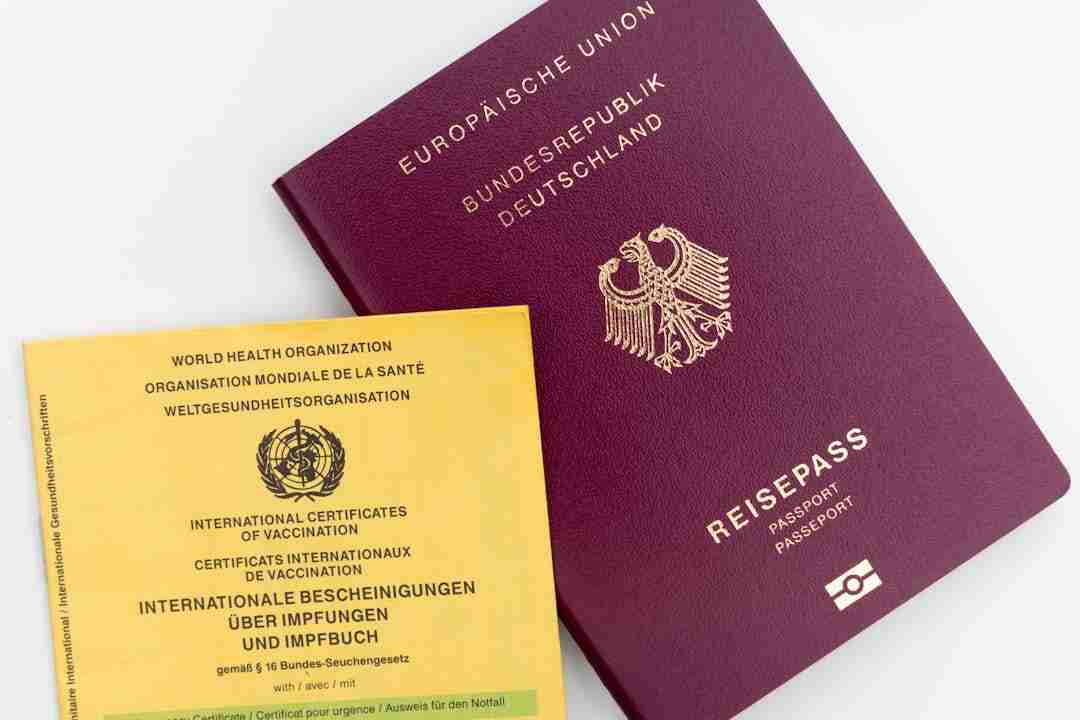
Imagine you're standing at the airport, backpack snugly strapped, ready to embark on an adventure of a lifetime. But there's a snag. The visa, that crucial piece of paper, has a technical glitch. Suddenly, your dreams of exploring exotic lands are hanging by a thread. Navigating visa pitfalls is a challenge every backpacker faces, yet with the right know-how, these hurdles can be managed.
Schengen Visa: 90 Days and Counting
Traveling through Europe? The Schengen visa is a must-have for many. But here’s the catch: it allows for a stay of only 90 days within any 180-day period. Overstay even by a day, and you're looking at fines, deportation, or even a ban. The trick is to plan meticulously. Use tools like Schengen Visa Calculator to track your days. Remember, the countdown doesn't reset when you leave Schengen; it’s a rolling count. This isn't always straightforward, but get it right, and your European escapade will be smooth sailing.
To manage your days efficiently, consider grouping countries by proximity. This minimizes travel time between borders, allowing you to maximize your time exploring. For instance, if you're traveling in the Benelux region (Belgium, Netherlands, Luxembourg), you can easily hop between countries without using much of your 90-day allowance. Also, familiarize yourself with the non-Schengen countries nearby, like Croatia or the UK, to strategically plan short detours that won't count against your Schengen days.
Australia’s Working Holiday Visa: The Age Factor
Australia offers a Working Holiday Visa, but it's only available to those aged 18-30. There's no wiggle room here. Turn 31, and the opportunity vanishes. Many backpackers find this a great way to fund travels while exploring the Land Down Under. But timing is everything. Consider applying as soon as you’re eligible to maximize the time available. This visa also requires proof of sufficient funds, typically around AUD $5,000. So, ensure your bank statement is up to date before applying.
Beyond financial proof, health insurance is another requirement. Make sure your insurance covers medical expenses and hospitalization during your stay in Australia. Research Australian health insurance options and compare prices to find the best fit for your needs. While in Australia, take advantage of the opportunity to work in various sectors, such as hospitality, agriculture, or tourism, which not only enhances your experience but also boosts your funding.
Visa Waiver Program: 90-Day Rule for U.S. Travelers
For U.S. citizens, the Visa Waiver Program offers a convenient way to travel to 39 countries without a visa for up to 90 days. But here’s the reality: once you leave, you cannot return under the program immediately. You must wait until a new 90-day period begins. If you're planning a quick trip back home and then returning, you'll need a different visa. Experts suggest planning your itinerary carefully to avoid potential setbacks.
To maximize your time, consider using your 90 days for long-stay visits in one or two countries rather than short hops across multiple destinations. This allows for deeper cultural immersion and avoids the stress of frequent border crossings. Additionally, always carry a copy of your return flight and itinerary as proof of your travel plans, which might be requested by immigration officers.
Overstaying a Visa: Consequences and Solutions
Overstaying a visa isn’t just a minor slip-up. It can lead to serious consequences like hefty fines, a ban from returning, or trouble with future visa applications. If you find yourself in this situation, the first step is to contact the local immigration office. Explain your situation and seek advice. Many find that authorities can be surprisingly understanding if you’re proactive about resolving the issue. It’s also wise to consult a legal expert specializing in immigration to explore your options.
To prevent overstaying, always set reminders about your visa expiration dates. Use apps like Google Calendar or TripIt to keep track of deadlines. If unforeseen circumstances arise, such as medical emergencies or natural disasters, gather documentation to support your case when negotiating with immigration officials. Being prepared with evidence can make a significant difference in the outcome.
Visa Extensions: When and How to Apply
Sometimes, plans change. Maybe you’ve found a place you love and want to stay longer. Many countries offer visa extensions, but the process varies significantly. For instance, Thailand allows tourists to extend their visa by 30 days for a fee of 1,900 baht. However, this must be done before your current visa expires, and it often requires a visit to the local immigration office. Always research the specific requirements for the country you’re in. Having a grasp of the local language or having a local contact can make this process much smoother.
In some countries, like Japan, visa extensions may require a detailed itinerary and proof of sufficient funds for the extended stay. Always check if an extension affects your ability to apply for future visas in the same country. Additionally, consider the logistics and costs associated with visa runs, where you leave the country briefly to reset your visa status. While sometimes feasible, these runs can be costly and time-consuming.
Bridging Visa Gaps: Transit Visas and Their Importance
Transiting through countries might seem like a quick stop, but many places require a transit visa even if you’re not leaving the airport. The UK, for example, requires a Direct Airside Transit Visa for certain nationalities. Checking transit visa requirements is crucial, as being denied boarding due to visa issues is a common mishap. Before booking flights that include layovers, ensure you’ve researched the transit visa requirements specific to your nationality.
Consider layover times when planning your flights. Longer layovers might present an opportunity for a brief exploration of the transit city, but ensure you have the necessary visa. Some airports offer guided tours for transit passengers, which can be a way to see highlights without needing a full entry visa. Always confirm these options in advance to avoid unexpected complications.
Visa Application Mistakes: Common Errors to Avoid
Visa applications can be meticulous. A common pitfall is providing incorrect information or missing documentation. For example, passport validity is a frequent oversight. Some countries require your passport to be valid for at least six months beyond your intended stay. Double-check every detail before submission. It’s also beneficial to use a document checklist. Tools like Google Drive can help organize and ensure all necessary documents are in order before hitting submit.
Pay attention to photo requirements, which often trip up applicants. Different countries have specific photo size and background color requirements. Visiting a professional photo studio familiar with these standards can save you from rejection due to incorrect photo submissions. Additionally, double-check all personal information for accuracy, ensuring names, dates, and passport numbers match all submitted documents.
Travel Insurance and Visas: Why You Need Both
While travel insurance might seem like an optional extra, it’s often a requirement for visa applications. Schengen visas, for instance, mandate insurance coverage with a minimum of €30,000 for medical emergencies. It’s not just about meeting visa requirements; travel insurance provides a safety net for unforeseen events. Compare policies from trusted providers and choose one that suits your travel plans. Websites like World Nomads offer comprehensive options tailored for backpackers.
When selecting insurance, consider coverage for lost or stolen belongings, trip cancellations, and adventure activities, especially if your backpacking plans include hiking, diving, or other sports. Always read the fine print to understand what is and isn't covered. Having a reliable contact number for your insurance provider can be invaluable in emergencies, ensuring you get assistance promptly.
Visa Agencies vs. DIY Applications: Weighing the Options
Should you apply for a visa independently or through an agency? Agencies can simplify the process, handling paperwork and appointments, but this comes at a cost. A service fee can range from $50 to several hundred dollars per application. Doing it yourself saves money but requires more effort and attention to detail. Many find that for straightforward applications, handling it directly is manageable. However, for complex situations or when time is a constraint, agencies can be worth the investment.
Consider the complexity of your travel plans. If you’re visiting multiple countries with varying visa requirements, an agency might help streamline the process. However, if you choose to go solo, online forums and community groups can provide valuable insights and tips from other travelers who have navigated similar routes. Some embassies offer consultation services, providing guidance on applications without the full cost of an agency.
Practical Takeaway: Keeping Your Backpacker Dreams Alive
So, how can you ensure your backpacking dreams remain intact despite the visa labyrinth? Start by educating yourself about the specific visa requirements for your destination. Use online resources and tools to track your travel plans and visa days. Always have a backup plan in case things don't go as expected. Stay organized with checklists and document folders. And remember, help is available—whether it's from online communities, legal experts, or visa agencies, don't hesitate to seek guidance when needed.
Visa pitfalls may seem daunting, but they're navigable with the right preparation. By understanding the nuances of different visa types and requirements, you can keep your backpacking dreams alive and thriving. Start planning today, and let each journey add a new chapter to your travel story.


