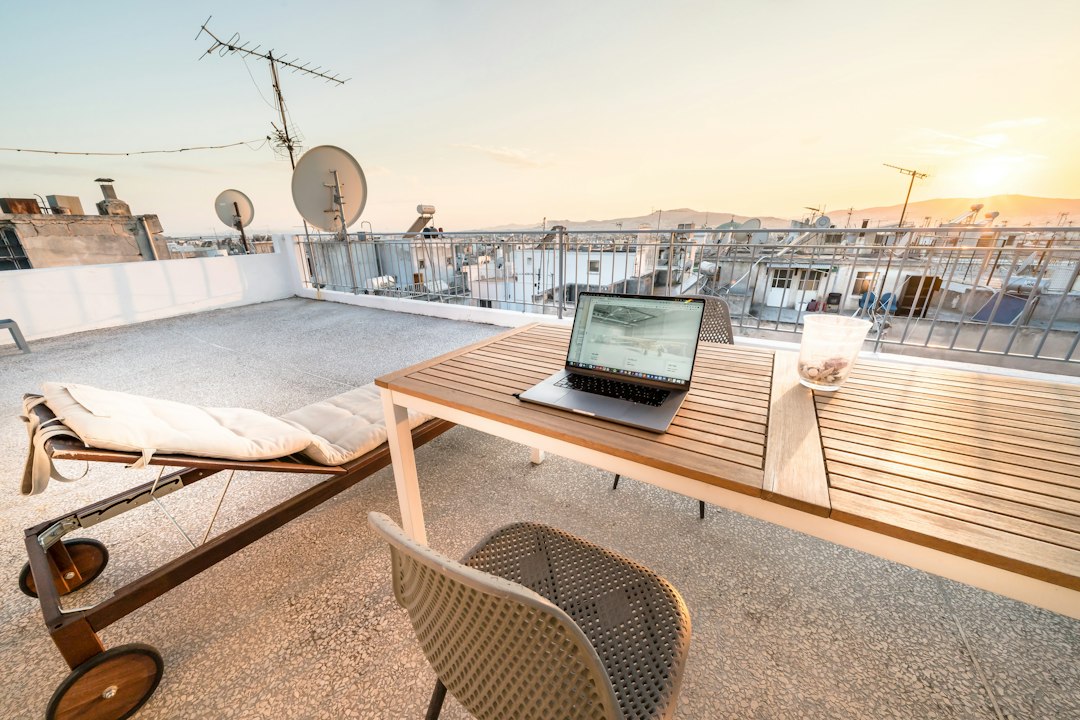
Imagine sipping coffee at a quaint café in Chiang Mai, Thailand, while completing your latest project with a view of lush mountains. Sounds like a dream, right? But here's the catch: you're doing this on a budget that many would consider modest. The life of a digital nomad is often painted as glamorous and free-spirited, yet the reality involves strategic financial planning, especially when living large on a small budget. Here's how savvy digital nomads manage the cost of living while experiencing the world.
Embrace the Power of Geoarbitrage: Living in Low-Cost Countries
One of the most effective strategies for digital nomads is geoarbitrage—earning in a strong currency and spending in a weaker one. Countries like Vietnam, Mexico, and Portugal offer modern conveniences at a fraction of the cost found in the U.S. or Western Europe.
In Vietnam, for instance, a comfortable apartment can be rented for around $300 a month. Street food is not only delicious but incredibly affordable, often costing just $1 to $2 per meal. By choosing destinations where the cost of living is significantly lower, you can stretch your budget further, allowing for more experiences and savings.
Practical Tip:
Research and choose destinations where your currency goes further. Websites like Numbeo provide comparative cost-of-living data to help you make informed decisions. Consider exploring lesser-known locations like Bulgaria or Georgia, where costs are low, but the quality of life is surprisingly high. These places often offer stunning landscapes and vibrant cultures without the hefty price tag.
Housing Hacks: From Co-Living Spaces to Short-Term Rentals
Finding affordable accommodations is a crucial part of budget management. While Airbnb and hotels are popular, they can quickly drain your resources. Instead, consider co-living spaces or negotiating long-term stays.
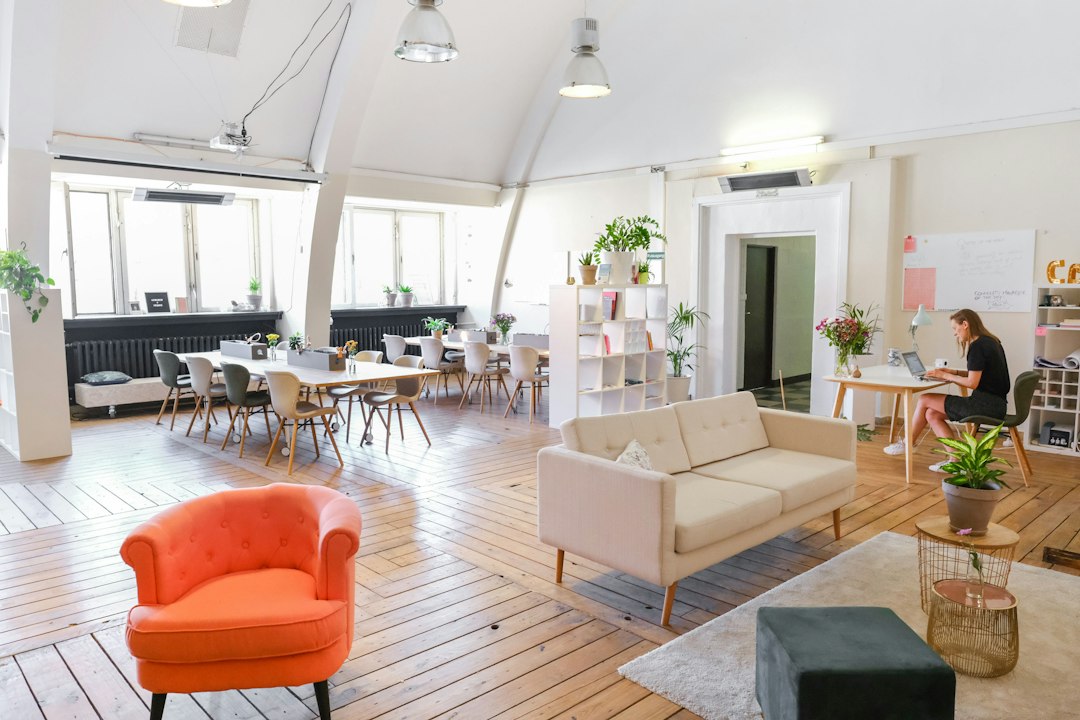
Co-living spaces such as Selina offer community living with amenities like coworking spaces, often at a lower price than solo rentals. These spaces also provide networking opportunities, which can be invaluable for professional growth. The shared environment encourages collaboration and offers a sense of community, which can be especially comforting when you’re far from home.
For those who prefer more privacy, negotiating directly with landlords for discounted monthly rates can lead to significant savings. Many landlords are open to negotiating rent, especially if you're staying for several months. Another option is to explore local guesthouses or family-run accommodations, which often offer competitive pricing and a more authentic experience.
Practical Tip:
Use online platforms like Facebook Marketplace or local expat groups to find rental deals. Always negotiate, as many landlords expect it. Building a rapport with locals can also lead to insider tips and possibly even better deals.
Work Smarter with Budget-Friendly Tools and Apps
Managing finances effectively is easier with the right tools. Budgeting apps like YNAB or Mint help track expenses and set financial goals. These apps are designed to give you a clear overview of your spending habits and help identify areas where you can cut back.
For communication, apps like WhatsApp and Skype offer free or low-cost international calling, saving you money on phone bills. Additionally, coworking spaces often provide both a professional environment and reliable internet, eliminating the need for costly cafes. When it comes to project management and collaboration, tools like Trello or Slack can help you stay organized and connected without extra costs.
Practical Tip:
Regularly review your app subscriptions and memberships. Cancel anything you don't use to avoid unnecessary expenses. Look for free or open-source alternatives to paid software, which can provide similar functionalities without the cost.
Eat Like a Local: Affordable Dining Options
Dining out can be a significant expense, especially in tourist-heavy areas. Digital nomads often save money by eating where the locals eat. Local markets and street vendors offer authentic meals at a fraction of the cost of restaurants catering to tourists.
In Thailand, for example, mango sticky rice from a street vendor costs around $1.50, whereas a restaurant serving the same dish might charge $5 or more. Cooking at home is another way to save money. Visiting local markets for fresh produce and staples can be both economical and a cultural experience. Plus, shopping where locals shop often leads to discovering unique ingredients and learning more about the regional diet.
Practical Tip:
Learn a few staple recipes of the region you're in. This not only saves money but also allows for a deeper appreciation of the local culture. Participating in cooking classes can be a fun and educational way to immerse yourself further and meet new people.
Travel Smart: Affordable Transportation and Flights
Transportation can be another major expense, but strategic planning can mitigate costs. For intercity travel, consider buses or trains instead of flights when possible. In countries like India and China, train systems are efficient and very affordable. Night buses or trains can also be a cost-effective way to save on accommodation for a night.
When flying is necessary, use flight comparison tools like Skyscanner to find the best deals. Being flexible with travel dates can also lead to significant savings. For local travel, services like Uber or local ride-sharing apps often offer promotions and discounts. Alternatively, renting a bicycle or using local public transportation can provide both savings and a more intimate experience of your surroundings.
Practical Tip:
Sign up for airline newsletters to stay informed about sales and last-minute deals. Flexibility and timing are key to scoring the best prices. Consider joining travel forums or groups where seasoned travelers share tips and tricks for finding the best travel deals.
Health and Wellness on a Budget
Healthcare is a concern for many digital nomads, but affordable options exist. Many countries offer high-quality healthcare at a fraction of Western prices. In countries like Mexico and Thailand, excellent medical care is available, often with English-speaking staff, for much less than in the U.S.
Investing in a good international health insurance plan is crucial. Companies like World Nomads provide coverage that includes emergency medical care and travel accidents, which is essential for peace of mind. Regular check-ups and preventive care are often much cheaper abroad, so take advantage of these services to maintain your health.
Practical Tip:
Always have a basic first-aid kit and necessary medications on hand. Preventive care is often cheaper than emergency treatments. Research local pharmacies and healthcare facilities upon arrival, so you're prepared in case of illness or injury.
Community and Networking: Free Events and Meetups
Socializing and networking don't have to break the bank. Many cities with a strong digital nomad presence offer free or low-cost events, from language exchange meetups to professional workshops.
Platforms like Meetup and Eventbrite are excellent resources for finding events. Not only do these gatherings offer a chance to meet like-minded individuals, but they also provide opportunities for personal and professional growth. Engaging with these communities can lead to collaborations, job opportunities, or simply forming lasting friendships.
Practical Tip:
Engage with local communities and expat groups on social media. This can lead to new friendships and insider tips on affordable living. Volunteering is another rewarding way to connect with locals and learn more about the community you're living in.
Exploring Free or Low-Cost Attractions
While traveling, there's a wealth of experiences that don't require spending a fortune. Many cities boast free museums, parks, and historical sites, offering cultural enrichment without the hefty price tag. Walking tours, often led by knowledgeable locals, provide insight into the history and culture of a place at little to no cost.
Practical Tip:
Before arriving at a new destination, research free attractions and events. Many cities offer discounted or free entry to museums and attractions on certain days of the week. Joining local walking or hiking groups can also be a cost-effective way to explore the surroundings.
Final Thoughts: Prioritize Experiences Over Possessions
The digital nomad lifestyle is about embracing minimalism and prioritizing experiences over material possessions. By focusing on what truly matters—whether it's exploring a new culture, meeting new people, or achieving professional milestones—budget constraints become less daunting.
Living big on a small budget requires creativity, flexibility, and a willingness to adapt. But with the right strategies, it's entirely possible to lead a fulfilling life while exploring the world. Start by taking one actionable step today—whether it's downloading a budgeting app or researching your next affordable destination. The world is waiting, and it's more accessible than ever.