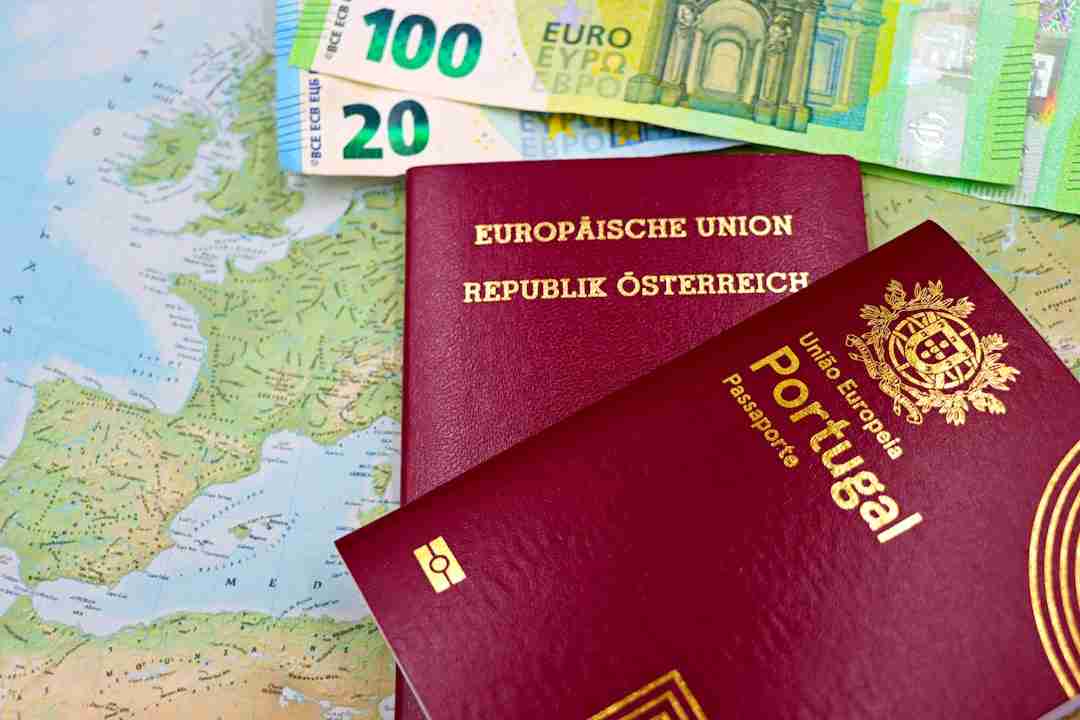
Imagine receiving an enticing remote job offer that promises new experiences and opportunities to explore the world while working from a beachside café or a mountain cabin. The prospect is exciting, but there's a hidden challenge that many overlook: navigating the complex web of visa requirements. Falling into visa pitfalls can turn your dream into a bureaucratic nightmare. Understanding these potential issues is essential to ensure your remote work adventure doesn't hit a legal snag.
The 90/180 Rule: Understanding Short Stays in the Schengen Area
Europe's Schengen Area offers the allure of seamless travel across 26 countries with just one visa. But there's a catch: the 90/180 rule. This means you can stay for up to 90 days within any 180-day period. Sounds simple, right? Well, not always. Miscalculating your days can lead to fines or bans from re-entering the Schengen Zone.
To avoid this, use tools like the Schengen Visa Calculator to track your days accurately. Always keep a record of your entry and exit dates, and plan your travels to ensure you don't inadvertently overstay. Remember, this rule applies to the entire Schengen Zone collectively, not each country individually. It's worth noting that some travelers find it helpful to set reminders or use travel planning apps to keep track of their stay duration and upcoming travel restrictions.
Digital Nomad Visas: Which Countries Offer Them?
Several countries are now offering digital nomad visas, designed specifically for remote workers. These visas typically allow stays longer than tourist visas and may even come with tax advantages. Countries like Estonia, Portugal, and Barbados have led the charge, offering extended stays for those who can work from anywhere.
For instance, Estonia's Digital Nomad Visa allows remote workers to live in Estonia for up to a year if they meet specific income criteria. Similarly, Portugal's D7 Visa offers residency to those earning a passive income or working remotely. However, each visa comes with its own set of requirements and application processes, so thorough research is essential. Consider reaching out to expat communities or forums online for firsthand accounts and advice on navigating these visa applications.
Tax Implications: What You Need to Know
Working remotely from another country can have significant tax implications. Many countries tax their residents on worldwide income, and staying too long might trigger tax residency. This isn't just about income tax; it can also affect social security contributions.
Consulting with a tax professional familiar with international tax law is advisable. They can provide guidance tailored to your situation, helping you understand if you need to file taxes in multiple countries. Some digital nomad visas offer tax incentives, but these can be complex and vary greatly by country. It's beneficial to look into bilateral tax treaties that might exist between your home country and your destination, which can prevent double taxation and ease your financial burden.
Health Insurance: Stay Covered While Abroad
One often overlooked aspect of working remotely overseas is health insurance. Many countries require proof of insurance as part of their visa application process. Even if it's not a requirement, having adequate health insurance is crucial.
Consider international health insurance plans that cover you in multiple countries, like those offered by Cigna Global. These plans can be pricier than domestic ones, but they ensure you're covered in case of emergencies, which can be invaluable. It's also wise to check if your insurance plan covers COVID-19 related expenses, as this has become a common requirement in many countries.
Local Labor Laws: Are You Compliant?
Remote work doesn't exempt you from local labor laws. Some countries require foreign workers to adhere to their labor laws, which can include minimum wage requirements, maximum working hours, and employment rights. Being aware of these laws is important to avoid legal issues.
For example, Germany has strict employment laws that might apply if you spend significant time working there. Research the local labor laws of your prospective destination, and consider consulting with a legal expert to ensure compliance. Engaging with local expat groups can also provide insights into any unwritten rules or cultural nuances that might affect your work.
Bank Accounts and Currency Exchange: Managing Your Money
Managing finances while working remotely overseas involves more than just getting paid. You'll need to consider currency exchange rates, bank fees, and perhaps even opening a local bank account. Services like Wise offer multi-currency accounts and can help you minimize currency conversion fees.
If you're planning an extended stay, opening a local bank account might be beneficial. It can simplify payment processes and help you avoid hefty international transaction fees. However, opening a bank account as a foreigner can be challenging, requiring proof of residence and other documentation. Research the specific requirements of your destination country and consider using online banking services that cater to expats.
Communication Tools: Staying Connected
Maintaining communication with your team is crucial when working remotely. Reliable internet access and communication tools are a must. Apps like Slack and Zoom have become staples for remote workers, facilitating seamless communication.
Ensure your destination has reliable internet access. It might seem obvious, but rural or remote areas may have limited connectivity, which can hinder your ability to work effectively. Consider investing in a portable Wi-Fi hotspot as a backup. Some services offer global SIM cards that provide internet access in multiple countries, which can be a lifesaver during travel.
Cultural Differences: Adapting to New Work Environments
Cultural differences can impact your work experience more than you might anticipate. From communication styles to work-life balance norms, each country has its unique culture. Being adaptable and respectful of these differences can enhance your remote work experience.
Research cultural norms and office etiquette of your destination. Simple gestures, like learning a few phrases in the local language or understanding local customs, can go a long way in building rapport with local colleagues and clients. Engaging in local activities or attending cultural events can also provide deeper insights into the local way of life, enriching your remote work journey.
Safety and Security: Protecting Yourself and Your Data
When working remotely from another country, it's paramount to consider personal safety and data security. Different countries have varying levels of safety, and understanding local safety tips can prevent potential problems.
In terms of data security, using a virtual private network (VPN) is advisable to protect your online activities, especially when using public Wi-Fi. Services like NordVPN or ExpressVPN offer robust security features that can help keep your data safe. Additionally, ensure your devices are encrypted and have up-to-date antivirus software to protect against cyber threats.
Conclusion: Start with Small Steps
Embarking on a journey to work remotely from another country is exciting, yet fraught with potential pitfalls. But with careful planning and research, these challenges can be navigated successfully. Begin by selecting a destination and researching its specific visa requirements. Consider the digital nomad visas as a potential solution, and consult with experts on tax and legal matters.
Take actionable steps today: use the Schengen Visa Calculator if Europe is on your list, and explore international insurance options. Each small step brings you closer to a seamless remote work experience abroad.


