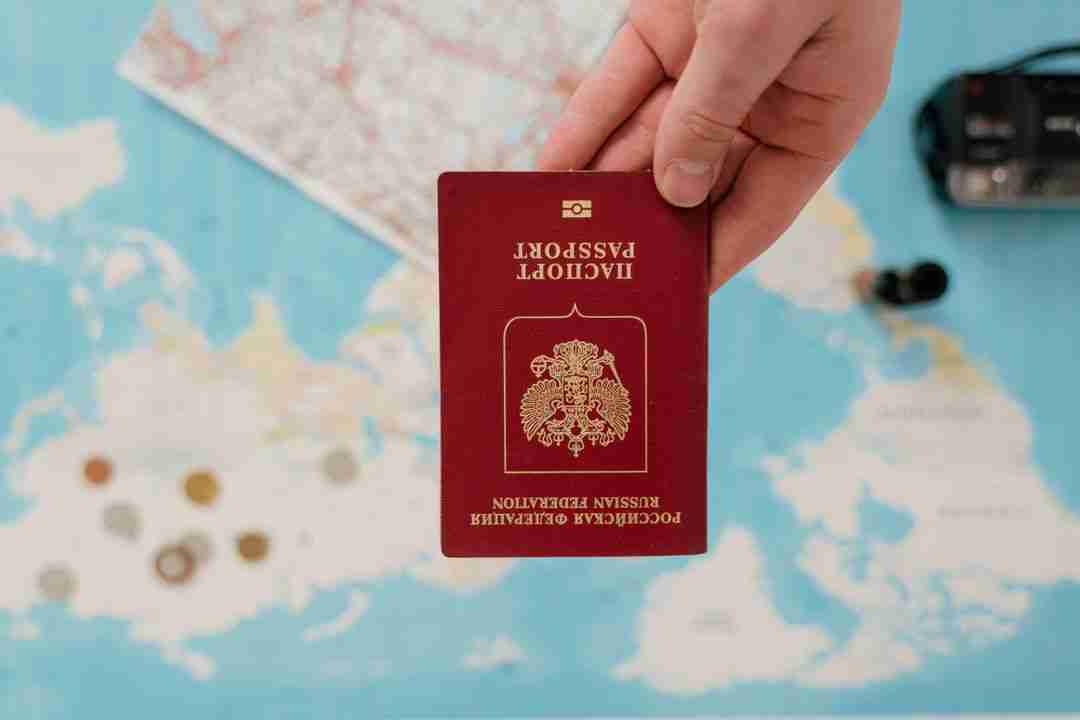
Imagine you're standing in a bustling airport, fresh off a long flight. You're excited to explore your new surroundings, but you quickly realize you need a local SIM card to connect with friends, navigate the city, or simply order a ride to your temporary home. But there's a catch: you're asked for your passport, and sometimes even a scan of your biometrics. It feels intrusive, and you're right to be cautious. Let’s break down how to register a SIM card abroad without compromising your privacy while staying within the legal boundaries.
Different Countries, Different Rules: Navigating SIM Registration Laws
Across the globe, countries have varying regulations regarding SIM card registration. For instance, in Thailand and India, it's common to be asked for both your passport and a photo. This is due to anti-terrorism laws aiming to track SIM card ownership. The European Union has similar requirements, though the specifics can differ by country. Always research the country-specific requirements before you arrive. A quick online search or a visit to the official government website can save you time and hassle. Knowing what's expected prepares you to comply without oversharing your personal data.
Consider Malaysia, where tourists are required to provide a copy of their passports and take a photo at the point of purchase. In contrast, Japan allows tourists to buy data-only SIM cards without registration, but voice SIM cards require a local address and identification. These differences highlight the importance of preparation. Before traveling, make a checklist of potential requirements for each destination. This ensures you aren’t caught off guard upon arrival.
Legal Registration with Minimal Data Sharing
To register your SIM card legally while minimizing data exposure, follow a straightforward process. First, choose a reputable provider. Avoid kiosks or street vendors and head to an official store of a well-known telecom company. Here, you're less likely to encounter fraud or misuse of your information. When asked for identification, provide only what's necessary. Typically, a passport suffices. Be cautious if asked for additional documents or personal information, unless it's clearly part of the official registration process.
In some countries, telecom companies might request extra information for promotional purposes. Politely decline or ensure you understand how your data will be used. Opting out of marketing communications can prevent your information from being shared with third-party vendors. It's wise to review any forms or terms of service carefully before signing. Remember, you have the right to ask questions and seek clarification.
Spotting Red Flags and Avoiding Scams
It's crucial to stay alert to potential scams. If a vendor asks for more data than usual, such as multiple forms of ID or access to your email, consider it a red flag. Legitimate providers won't need this information. Watch out for unofficial looking setups; genuine telecom stores will have clear branding and professional staff. If you're unsure, don't hesitate to ask for a business card or check their company online before proceeding. Remember, your personal information is valuable, and protecting it should always be a priority.
Suppose you encounter a situation where prices seem unusually low, or the salesperson is insisting on immediate payment without providing a receipt. These are warning signs. Always request a receipt and documentation of your transaction. If the deal sounds too good to be true, it probably is. Trust your instincts and prioritize your security over convenience.
Considering eSIMs, Roaming, and Virtual Numbers
Sometimes, using a traditional SIM card isn't your only option. If you're uncomfortable with the registration process, consider alternatives like eSIMs, international roaming, or virtual numbers. eSIMs, available on many modern smartphones, allow you to download a digital SIM profile without a physical card. This can bypass some of the registration hurdles. However, check if your phone and the destination country support eSIMs. Roaming can be expensive, but in short-term scenarios, it might be worth considering for convenience. Virtual numbers, while not providing data services, are handy for maintaining a local presence without the need for physical SIM registration.
Exploring these options is particularly beneficial if you frequently travel to multiple destinations. For example, a business traveler visiting Europe might find an eSIM plan encompassing several countries more efficient than buying a new SIM at each stop. This not only saves time but also ensures consistent connectivity across borders.
What to Do When Your SIM Registration Is Rejected
Sometimes, despite your best efforts, your SIM registration might be rejected. This could happen due to documentation errors or misunderstandings about the process. If this occurs, don't panic. First, review the requirements again to ensure all necessary information was provided correctly. Contact customer support at the telecom company for clarification or assistance. They might guide you on resubmitting your details or suggest other solutions. If language is a barrier, using a translation app can facilitate better communication.
Being prepared with digital copies of your documents can expedite the resolution process. Ensure these copies are encrypted and stored securely on your device. If you’re unable to resolve the issue locally, consider contacting your home country's embassy for advice or assistance. They may offer guidance or direct you to resources that can help.
Practical Steps to Safeguard Your Data
Even after successful registration, continue protecting your data. Regularly monitor your phone for any unusual activity. If you suspect your information has been compromised, report it to the telecom provider immediately. Using a VPN can add an extra layer of security for your online activities. Also, familiarize yourself with local privacy laws to understand your rights and actions you can take if your data is mishandled.
Consider setting up two-factor authentication for your accounts linked to the phone number. This adds an additional security layer and minimizes the risk of unauthorized access. Regularly updating your phone's operating system and apps ensures you have the latest security patches, safeguarding your device from vulnerabilities.
New Subsection: Understanding the Impact of SIM Card Fraud
SIM card fraud, such as SIM swapping, can have severe implications, including unauthorized access to your financial accounts and personal information. This occurs when a malicious actor tricks the telecom provider into transferring your number to a new SIM card in their possession. To prevent this, always use strong, unique PINs for your phone and telecom accounts. If your service is disrupted unexpectedly, contact your provider immediately to verify the status of your account.
Final Thoughts: Stay Connected, Stay Protected
Registering a SIM card abroad doesn't mean forfeiting your privacy. By understanding local laws, choosing reputable providers, and considering alternatives like eSIMs, you can stay connected without unnecessary exposure. Always remain vigilant for scams and protect your data actively. With these strategies, you can enjoy your travels and maintain the privacy you value. Remember, a little preparation goes a long way in ensuring a smooth and secure connection to your new environment.
Featured photo: [Photo by Supacharn kaowanan on Unsplash](https://unsplash.com/@jjwithnosauce?utm_source=bloggen_pro&utm_medium=referral).