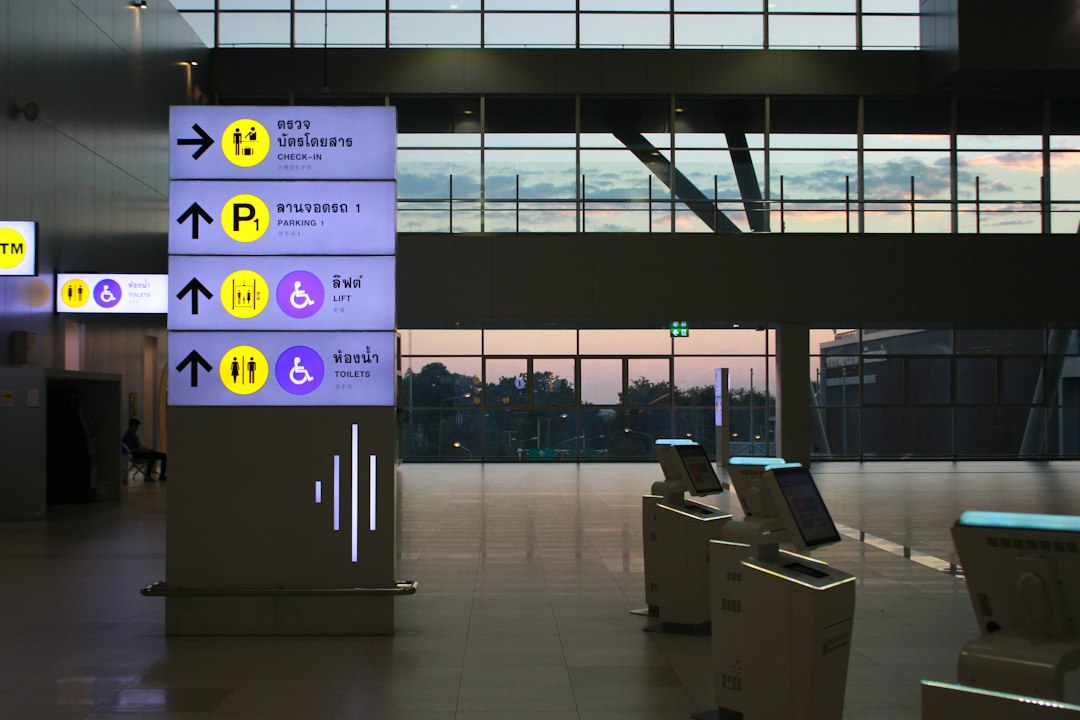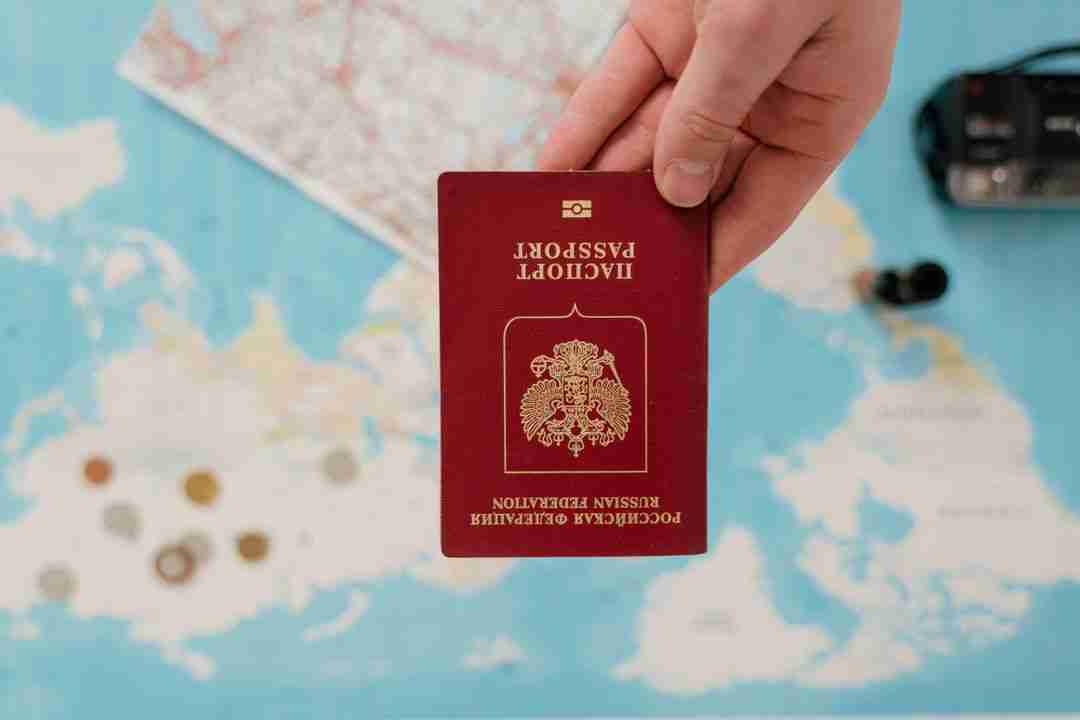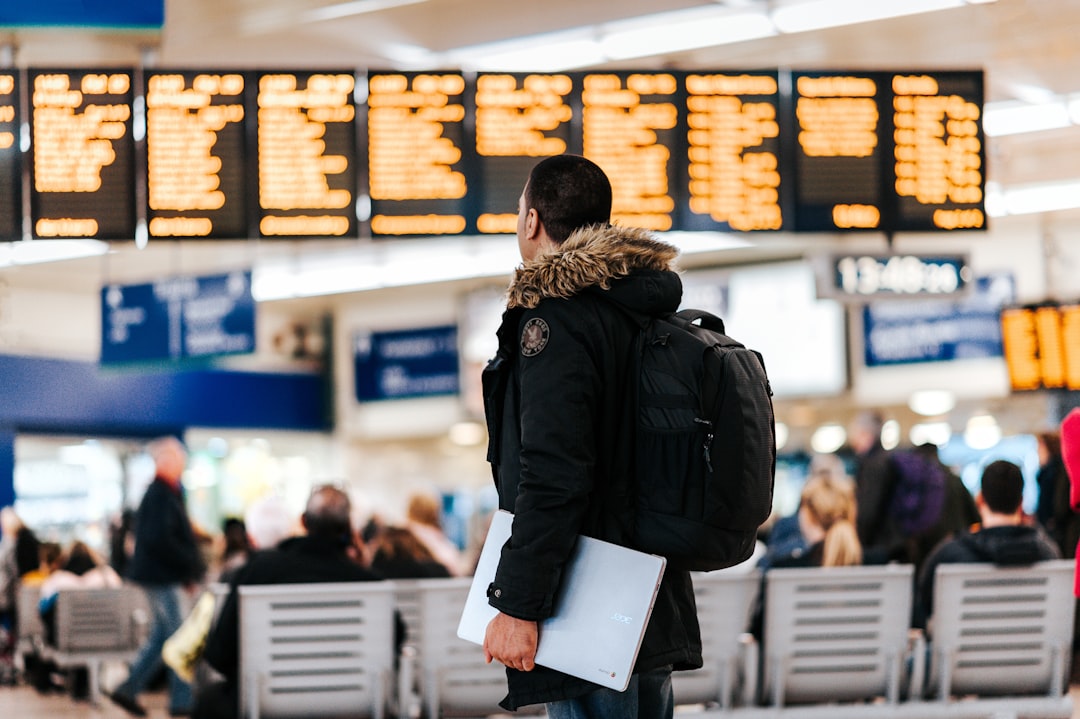
You arrive at the airport with your laptop, drone, and camera in tow, ready to embark on an exciting digital nomad adventure. But instead of breezing through customs, you're pulled aside for a detailed inspection. That's when you learn about the hefty import duties you weren't prepared for. Scenarios like this are common for digital nomads who travel with expensive tech gear. Some countries have strict regulations, and failing to comply can lead to unexpected fines or even confiscation of your gadgets.
Research Country-Specific Gadget Regulations
Before packing your bags, it's imperative to research the customs regulations of your destination country. Each country has its own rules regarding what tech items you can bring in without paying duties. For example, countries in Southeast Asia and the Middle East can be particularly strict about drones due to security concerns. Malaysia, for instance, requires a permit for drones, while Saudi Arabia may ban them altogether for personal use.
To gather this information, start with the official customs website of your destination country. These sites often provide detailed guidelines on import duties and restrictions. Additionally, explore forums and communities for digital nomads, where travelers share their experiences and insights about specific countries. Websites such as Nomad List and Reddit can be invaluable resources for learning from others who have navigated these challenges.
You might also want to contact the country's embassy or consulate in your home country for official guidance. They can provide up-to-date information and clarify any doubts you might have regarding specific regulations.
Preparing Documentation and Proof of Ownership
Customs officials may ask for documentation to prove that your tech gadgets are personal items and not for resale. This means you should carry receipts or invoices for each piece of equipment. If you don't have the original receipts, bank statements showing the purchase can be a viable alternative.
Consider creating a simple inventory list, detailing each gadget with its serial number, purchase date, and estimated value. This can expedite the process at customs and prove ownership if questioned. It's also wise to take photographs of your gadgets, capturing their condition before travel. This visual evidence can be helpful if any disputes arise regarding the state of your equipment.
Some countries may allow you to declare your gadgets upon arrival, which provides a temporary exemption from import duties—just remember to do this proactively. Familiarize yourself with the process of declaration at your destination airport. This might involve filling out specific forms or visiting a particular customs counter upon arrival.
Declaring Tech at Customs: What to Say
When you arrive at your destination, declaring your tech gear can prevent misunderstandings. You might feel tempted to skip this step, but honesty is your best policy here. Approach the customs officer and clearly state that the items are for personal use. For example, say, "I have a laptop, camera, and drone for personal use. Here's the documentation to prove ownership."
Be clear and concise, and have your documents ready. If language is a barrier, prepare a simple written statement in the local language using a translation app. This can make the interaction smoother and demonstrate your willingness to comply with local laws. Consider learning a few key phrases in the local language related to customs and tech gear, which can convey respect for the local culture and facilitate smoother interactions.
Shipping vs. Carrying: When to Ship Your Tech
Sometimes, shipping your tech gear separately might be more practical or necessary. This is especially true if you're carrying multiple gadgets that could attract customs scrutiny. But shipping comes with its own set of challenges. Not all shipping companies handle tech gear properly, and some may not offer the necessary insurance.
When shipping, use a reputable courier service that provides tracking and insurance. DHL and FedEx are known for handling international shipments reliably. Ensure the package is well-protected, and declare the contents accurately to avoid delays. Shipping can take anywhere from a few days to a couple of weeks, so plan accordingly.
Research the customs declaration process for shipped items at your destination. This could involve completing additional paperwork or paying duties upon arrival. By understanding these procedures in advance, you can prevent unexpected delays or fees.
Handling Customs Stops: Scripts and Solutions
Even with thorough preparation, you might still face a customs stop. When this happens, stay calm. Provide the documentation you've prepared and reiterate that the gadgets are for personal use. If you're asked to pay a duty, ask for a detailed breakdown of the fees. Sometimes, the fees can be negotiated or reduced if you can demonstrate compliance with the local regulations.
If you're unsure about the legalities or feel pressured, ask to speak with a higher-ranking official or request legal assistance. Knowing your rights can prevent unnecessary complications. In some cases, you might have the option to leave the items at customs and retrieve them later, allowing you to resolve the issue without immediate financial burden.
Consider preparing a small emergency fund specifically for customs-related expenses. This can cover unexpected duties or fees and prevent your travel budget from being severely impacted. Being financially prepared can reduce stress and allow you to handle customs situations more effectively.
Building a Network of Fellow Digital Nomads
As you navigate the complexities of traveling with tech gear, building a network of fellow digital nomads can provide support and advice. Join online communities and attend meetups in your destination country. These connections can offer firsthand insights into the local customs processes and share practical tips for avoiding common pitfalls.
Participate in social media groups and local events to stay informed about any changes in customs regulations or tech-related news in your host country. By fostering these connections, you'll gain access to valuable resources and support, enhancing your overall digital nomad experience.
Final Thoughts and Practical Steps Forward
Preparation is key to avoiding customs headaches with your tech gear. Research your destination's regulations well in advance, keep all documentation organized, and decide whether shipping some items might be more practical. These steps can save you time, money, and stress, allowing you to focus on your new adventure instead of customs complications. Stay informed and proactive, and your journey into the world of digital nomadism will be smoother and more enjoyable. Whether you're headed to bustling Bangkok or serene Santorini, knowing how to handle your tech gear legally is a valuable skill for any digital wanderer.
Featured photo: [Photo by Anete Lūsiņa on Unsplash](https://unsplash.com/@anete_lusina?utm_source=bloggen_pro&utm_medium=referral).