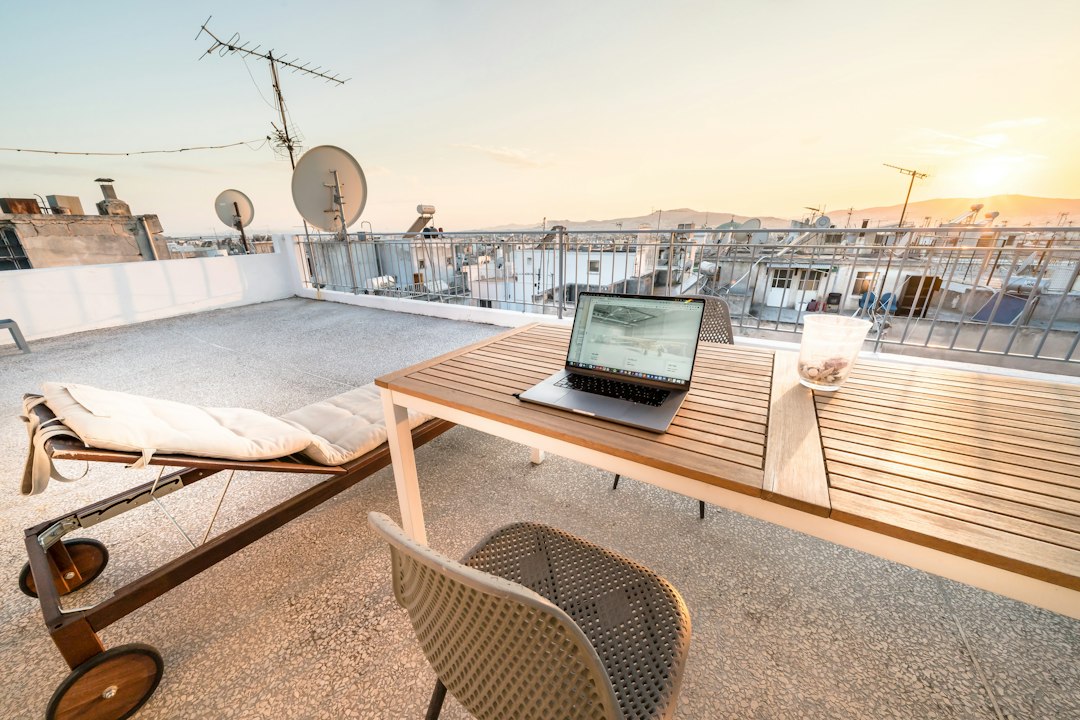
Imagine waking up to the sound of ocean waves in Bali, or the vibrant energy of a bustling café in Barcelona. This is the life of a digital nomad. But while the allure of working from exotic locations is undeniable, the financial reality of sustaining such a lifestyle can be challenging. The good news? There are proven strategies to stretch your dollar, making the digital nomad dream not just sustainable but enjoyable.
Choosing Your Destination Wisely: The $1,000 Rule
One of the most effective ways to manage your budget as a digital nomad is through strategic destination selection. Experts suggest the "$1,000 rule," which involves choosing locations where you can live comfortably for around $1,000 per month. Countries like Vietnam, Thailand, and parts of Eastern Europe offer low cost of living without sacrificing quality of life. In Ho Chi Minh City, for instance, a two-bedroom apartment can cost as little as $400, leaving plenty of room for dining out and exploring.
Here's the thing: not every affordable location will suit everyone. Consider factors like internet reliability, local culture, and amenities before making a move. Research online forums and digital nomad communities for firsthand accounts of living conditions and costs. Websites like Nomad List can provide detailed breakdowns of living expenses in various cities. It's also beneficial to look into local digital nomad meetups or expat forums, where you can gain insights into the nuances of living in different regions.
Mastering the Art of Local Living: Embrace the Culture
When you arrive at your new destination, immerse yourself in the local culture. This isn't just about enriching your experience—it's a smart financial strategy. Shopping at local markets instead of supermarkets, for example, can significantly cut food costs. In Chiang Mai, Thailand, dining at local street stalls can reduce your meal expenses to as little as $2 per dish. Cooking at home with fresh, local ingredients is another way to experience the culture while keeping your budget in check.
Public transportation is another area where you can save. Many countries offer affordable and efficient options that outshine expensive taxi rides. In Mexico City, a monthly metro pass costs around $13, a fraction of what you'd spend on regular Uber rides. Ride-sharing apps like BlaBlaCar can also be useful for longer journeys, providing a cost-effective way to travel between cities. Consider investing in a local transportation card or app to streamline your travel and save money.
Utilizing Technology for Savings: Apps and Services
Technology is a digital nomad's best friend. There are numerous apps and services designed specifically to help travelers save money. Housing platforms like Airbnb offer long-term rental discounts, while Booking.com can provide last-minute deals on accommodations. For those who prefer a more communal living experience, house-sitting platforms like TrustedHousesitters can offer free accommodation in exchange for pet care or house maintenance.
For communication, apps like WhatsApp and Skype offer free international calling, which can save you a considerable amount on phone bills. Using a VPN service, such as NordVPN, can help you access location-based deals and protect your data on public Wi-Fi networks. VPNs can also allow you to access content from your home country, ensuring you don't miss out on your favorite shows or services.
Don't underestimate the power of budgeting apps, either. Tools like YNAB and Mint can track your spending in real-time, helping you stay on top of your budget no matter where you are. These apps often include features that allow you to set spending goals, categorize expenses, and receive alerts when you approach your budget limits.
Finding Workspaces on a Budget: Co-working and Alternatives
Workspaces can be a significant expense for digital nomads, but they don't have to be. Co-working spaces offer a professional environment with reliable internet, and many cities have affordable options. In Lisbon, for example, monthly membership fees can start at just $100. However, the costs can add up, especially if you're traveling through more expensive regions.
Consider alternatives like public libraries, which often offer free Wi-Fi and quiet spaces conducive to work. Cafés are another option, though you'll need to balance the cost of your coffee habit. Some digital nomads even join local meetups or community groups to share workspace and resources, fostering both savings and networking opportunities. Exploring local universities or community centers can also uncover hidden gems for quiet and productive work environments.
Navigating Healthcare Abroad: Insurance and Local Options
Healthcare is a critical consideration for any traveler, and digital nomads are no exception. International health insurance plans can be costly, but they're essential for peace of mind. Companies like SafetyWing offer plans tailored for digital nomads, covering medical emergencies and routine care across multiple countries.
That said, many find that local healthcare options can be surprisingly affordable. In places like Thailand, a consultation with a doctor might cost as little as $20, making it feasible to pay out-of-pocket for minor issues. Always research the healthcare infrastructure of your chosen destination and have a contingency plan in place. It's wise to familiarize yourself with local pharmacies and health clinics, as they can often provide quick and affordable solutions for common ailments.
Building a Community: Networking for Discounts
Leveraging your network can provide unexpected financial benefits. Many digital nomads form online communities where they share tips, resources, and even discounts. Platforms like Facebook Groups and Meetup are great places to start. Engaging in these communities not only helps you save money but also enriches your travel experience through shared stories and advice.
Joining local expat groups can also lead to discounts. Members often have insider knowledge on everything from housing hacks to the best places for affordable dining. Some cities even have "nomad hotspots" where members can access coworking spaces or accommodations at reduced rates. Attend local events and social gatherings to expand your network and discover more cost-saving opportunities through personal connections.
Planning for the Unexpected: Emergency Funds and Flexibility
The reality is, life on the road is unpredictable. Flights get canceled, accommodations fall through, and sometimes, unexpected expenses arise. Having an emergency fund is non-negotiable. Many financial experts recommend setting aside at least three months' worth of living expenses to cover unforeseen situations. This financial cushion not only provides security but also allows you to make decisions without the pressure of immediate financial constraints.
Flexibility is equally important. Being able to pivot plans at a moment's notice can save both time and money. This might mean changing destinations due to a sudden increase in cost of living or opting for a cheaper mode of transportation when flights are overbooked. Keep an eye on currency fluctuations and regional economic changes to adapt your plans effectively.
Conclusion: Taking Action Today
Adopting a cost of living strategy as a digital nomad requires diligence, creativity, and adaptability. By choosing affordable destinations, embracing local living, leveraging technology, and fostering community connections, you can make your budget work harder for you.
Today, take a moment to evaluate your current expenses. Identify areas where you can cut costs or optimize spending. Whether it's downloading a budgeting app, researching a new destination, or reaching out to a local network, every step counts. The digital nomad lifestyle is about freedom and exploration, and with the right strategies, you can enjoy both without breaking the bank.