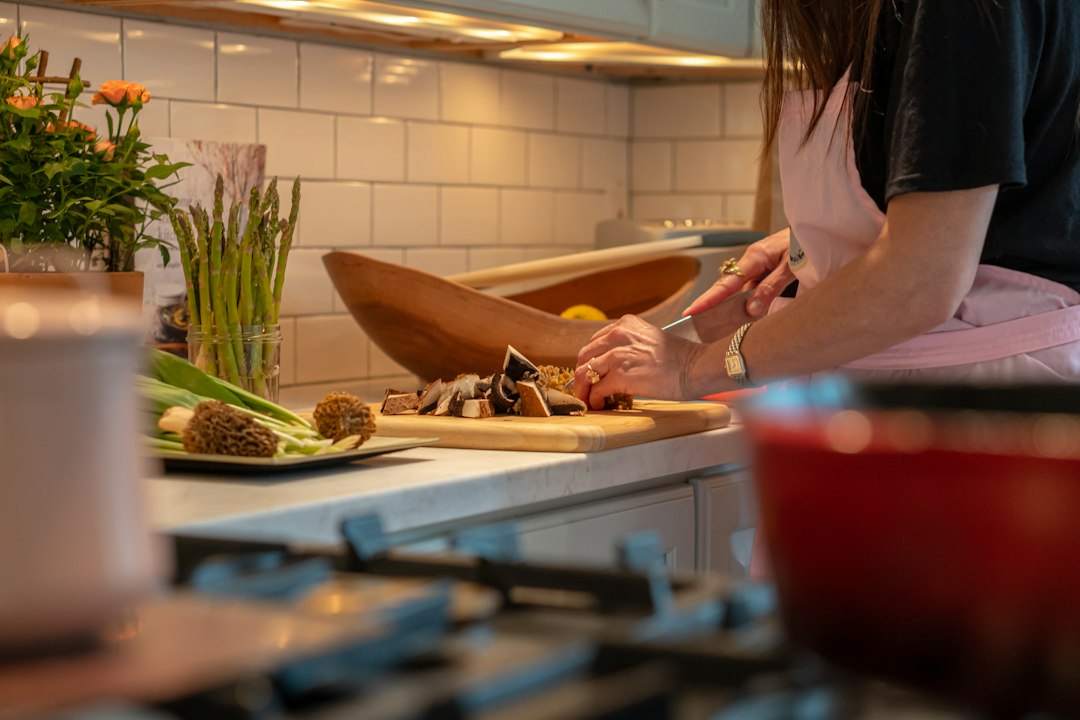
Imagine waking up every day surrounded by nature, with the freedom to travel wherever the road takes you. Living off-grid in a van offers unparalleled flexibility and a unique lifestyle. But it’s not just about the adventure; it’s also about sustainability. Many people are turning to van life as a way to reduce their carbon footprint, and two key components of this sustainable lifestyle are solar cooking and rainwater harvesting. These practices not only minimize environmental impact but also make life on the road more self-sufficient and cost-effective.
Harnessing the Sun: A Practical Guide to Solar Cooking on the Road
Solar cooking might sound like something out of a sci-fi novel, but it’s actually a practical and efficient way to prepare meals when living off-grid. The concept is simple: use the sun’s energy to cook food. Solar cookers come in various forms, from box cookers to parabolic reflectors, and each has its own advantages.
Box cookers are perhaps the most user-friendly option. They resemble a small oven and can reach temperatures of 200-300°F (93-149°C). This makes them perfect for slow-cooking stews, baking bread, or even roasting vegetables. A quality box cooker, such as the All American Sun Oven, can be purchased for around $349. The initial investment might seem steep, but consider the savings on fuel and the environmental benefits.
Parabolic reflectors, on the other hand, are ideal for those who prefer faster cooking times. They can reach temperatures up to 500°F (260°C), allowing you to fry or grill food just like a conventional stove. However, they require more frequent adjustment to keep the focus on the sun. A popular choice is the SolSource Classic, priced at approximately $499.
The reality is, solar cooking isn't always straightforward. Weather conditions can impact cooking times, and it requires some planning. However, the benefits far outweigh the challenges. By using the sun's power, you're not only reducing reliance on non-renewable energy sources but also enjoying meals that are infused with a sense of accomplishment and sustainability.
Effective Rainwater Harvesting Methods for Van Life
Water is a precious resource, especially when living off-grid. Rainwater harvesting offers a sustainable solution to meet your water needs without depleting natural resources. The concept involves collecting and storing rainwater for later use, and it's surprisingly easy to implement.
For van dwellers, a simple rainwater catchment system can be set up using a roof rack and a few basic materials. A collapsible rain barrel, such as the GARDENIX 100 Gallon, can be attached to your van’s roof or side. These barrels are designed to capture rainwater efficiently and can be folded away when not in use. Expect to spend around $70 for a good-quality barrel.
Attaching a mesh filter over the collection area is crucial. This prevents debris from contaminating the water supply. Some van lifers opt for a gutter system that directs rainwater into a tank. It's a bit more complex but offers higher efficiency. A filter, like the HydroLogic SmallBoy, can be installed to purify the water for drinking.
But here’s the thing: rainwater harvesting is most effective in areas with frequent rainfall. In arid regions, it might be necessary to supplement with water from natural sources. Always remember to check local regulations regarding water collection, as some areas have restrictions.
Managing Energy Efficiently with Portable Solar Panels
Energy management is a critical aspect of living off-grid. Solar panels have become a staple for van lifers, providing reliable power for appliances, lights, and electronics. The key is choosing the right system for your needs.
Portable solar panels are ideal for van life. They’re compact, easy to install, and can be adjusted to maximize sun exposure. Many recommend the Renogy 100 Watt 12 Volt Monocrystalline Solar Panel. It’s both efficient and affordable, typically costing around $150. A complete setup, including a charge controller and deep cycle battery, might run between $500 and $1000.
It's important to calculate energy consumption before selecting a solar system. Make a list of all devices and their power requirements. This helps in determining the number of panels and battery capacity needed. Experts suggest overestimating your needs slightly to accommodate cloudy days or increased usage.
But don't forget the importance of energy conservation. Use LED lights, energy-efficient appliances, and unplug devices when not in use. These small adjustments can significantly reduce energy consumption, ensuring your solar system can power your lifestyle.
Cooking and Conserving: Tips for Efficient Van Kitchen Management
Cooking off-grid requires creativity and efficiency. Space is limited, so every item in a van kitchen should serve multiple purposes. A portable induction cooktop, like the Duxtop 1800W Portable Induction Cooktop, is a great addition. It offers fast cooking times and uses less energy compared to traditional stoves.
Consider a compact set of nesting cookware, which saves space and is versatile enough for various cooking methods. The GSI Outdoors Pinnacle Camper Cookset is a popular choice among van lifers. It's lightweight, durable, and costs around $150.
Food storage is another crucial aspect. Airtight containers prevent spoilage and keep pests at bay. A 12V portable fridge, such as the Dometic CFX3 35, keeps perishables fresh and consumes minimal power. Prices start at $900, but the convenience and efficiency are worth it.
Here’s a tip: plan meals ahead of time and prep ingredients in batches. This not only saves time but also reduces waste. And when it comes to waste, composting can be a practical solution for organic scraps. A small compost bin can be managed easily, even in a van setting.
The Benefits of Minimalism: Traveling Light and Living Fully
Van life naturally aligns with minimalist principles, emphasizing quality over quantity. This lifestyle encourages individuals to pare down belongings, focusing only on essentials. The result? A less cluttered space and a more peaceful mind.
Start by evaluating what truly adds value to your life. Clothing, for instance, should be versatile and season-appropriate. Limit yourself to items that can be layered and mixed. A capsule wardrobe typically consists of 30-40 pieces, including shoes and accessories.
Digital minimalism is equally important. Consider using cloud-based storage solutions like Google Drive to reduce physical clutter. It’s also wise to consolidate digital devices. A multifunctional tablet can replace a separate laptop, e-reader, and music player.
The reality is, minimalism doesn’t mean deprivation. It’s about making intentional choices that enhance freedom and joy. By traveling light, you leave room for experiences and connections, making the journey itself the destination.
Practical Steps to Start Your Off-Grid Van Life Today
Embracing an off-grid lifestyle requires careful planning and a willingness to adapt. Begin by researching and budgeting for necessary equipment like solar panels, cookers, and water systems. Look for second-hand options to reduce costs.
Next, map out potential routes and destinations. Consider climates, road conditions, and availability of resources. Apps like iOverlander can help find campsites and water refill stations.
Safety is paramount. Ensure your van is equipped with essentials like a first aid kit, fire extinguisher, and reliable GPS. Regular maintenance checks prevent breakdowns and ensure a smooth journey.
Finally, connect with the van life community. Online forums and social media groups offer valuable advice and support. They’re also great for meeting fellow travelers who share the same passion for sustainable living.
The journey toward living off-grid in a van is a rewarding one. It offers a unique blend of adventure, sustainability, and simplicity. With the right tools and mindset, you can create a lifestyle that not only respects the planet but also enriches your soul. Start today, and discover the freedom that awaits on the open road.