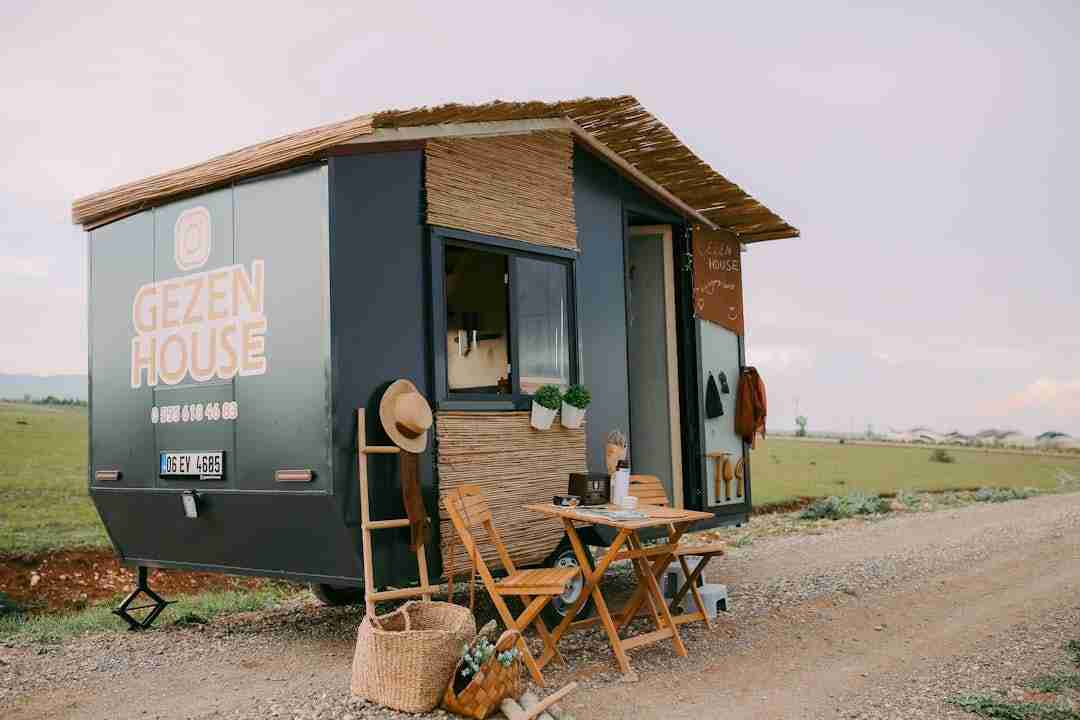
Imagine waking up to the gentle sound of a nearby river, opening your eyes to the view of a mountain range that stretches as far as the eye can see. For many, this isn't just a fantasy but a daily reality. The tiny home on wheels movement is reshaping how people perceive living spaces, offering a unique blend of freedom and sustainability. But how does one make this dream a reality, and what does it take to live sustainably on the road?
The $20,000 Tiny Home: Budget-Friendly Building Strategies
Building a tiny home on wheels doesn't have to break the bank. In fact, many have successfully constructed their mobile abodes for as little as $20,000. The key is strategic planning and smart resource allocation. Pre-owned trailers serve as a sturdy foundation and can be found for a fraction of the cost of new ones. Websites like Craigslist or eBay often list these at competitive prices.
When it comes to materials, reclaimed wood and recycled steel not only reduce costs but also minimize environmental impact. Salvage yards and local construction sites are excellent places to find such resources. And don’t forget about bartering; trading skills or items can sometimes yield surprisingly valuable returns. For instance, offering carpentry skills in exchange for plumbing expertise can foster community connections while saving money.
Seek out workshops or online courses to enhance your building skills, which could prove invaluable during your tiny home construction. Websites like Skillshare or Udemy offer affordable learning opportunities to boost your confidence and capabilities.
Solar Panels and Lithium Batteries: Powering Up Off-Grid
Energy independence is a cornerstone of sustainable nomad living. Solar panels paired with lithium batteries provide a reliable and eco-friendly power source. A typical setup might include three 300W solar panels paired with a 200Ah lithium battery. This combination can power essential appliances like a small fridge, LED lighting, and charging stations for devices, ensuring that you're comfortable even in remote locations.
Solar panels have become more affordable and efficient over the years. Brands like Renogy offer starter kits that come with everything needed to get started. The initial investment pays off over time, as the energy generated from the sun is, quite literally, free. Additionally, consider incorporating a solar charge controller to optimize energy storage and usage.
For those new to solar energy, online calculators can help determine the exact needs based on lifestyle and location. Factoring in regional sunlight exposure will ensure the solar system is adequately sized for year-round use.
Composting Toilets: A Water-Saving Solution
Traditional plumbing is often impractical for a tiny home on wheels, making composting toilets an excellent alternative. These systems require no water and turn waste into compost, which can be safely used for non-edible plant fertilization. Models from companies like Nature's Head are designed for compact spaces and are easy to maintain.
The benefits extend beyond water conservation. Composting toilets are odorless, chemical-free, and can significantly reduce the environmental footprint of your tiny home. Plus, they eliminate the need for frequent stops to empty black water tanks, allowing for more time spent exploring.
When selecting a composting toilet, consider the maintenance routine and how often you'll need to empty the compost. This varies depending on usage and model, so understanding the requirements upfront will help ensure a smooth experience.
Insulating on the Move: Sheep's Wool and Eco-Friendly Options
Insulation is crucial for maintaining a comfortable interior temperature, but it doesn't have to come at an environmental cost. Sheep's wool is a natural, renewable insulation material that performs exceptionally well in both hot and cold climates. It’s also fire resistant and helps regulate humidity.
For those looking for alternatives, recycled denim and cellulose insulation are both effective and environmentally friendly. These materials not only insulate well but also promote sustainable practices by recycling and repurposing existing materials. Additionally, they are often treated with non-toxic fire retardants, ensuring safety without compromising eco-friendliness.
Consider incorporating radiant barriers to reflect heat away in hotter climates, further enhancing the efficiency of your insulation. This approach, combined with proper ventilation, can create a comfortable living environment year-round.
Lightweight Furniture: Maximizing Space and Mobility
In a tiny home, every inch of space counts. Furniture should be lightweight, multifunctional, and easy to store. Foldable tables and chairs are a must, and wall-mounted options can help free up floor space. Murphy beds or lofted sleeping areas offer sleeping solutions without sacrificing valuable living space.
DIY enthusiasts can create custom pieces tailored to their needs. Websites like Ana White offer free plans and tutorials for building everything from collapsible desks to modular storage units. This approach not only saves money but also allows for personalization that suits specific needs.
Additionally, consider using modular furniture that can be rearranged or reconfigured to serve different purposes. Ottomans with storage space, convertible sofas, and nesting tables can provide flexibility and functionality in your tiny home design.
Greywater Systems: Reusing Water Responsibly
Managing water use is another critical aspect of off-grid living. Greywater systems collect water from sinks and showers, which can then be used to irrigate plants or flush toilets. Installing a simple filtration system ensures that the reused water is safe for these secondary purposes.
Consider setting up a rainwater catchment system to supplement your water supply. This setup involves collecting rainwater from the roof into a storage tank, which can then be filtered and used as needed. It's an excellent way to make the most of natural resources and reduce dependency on external water supplies.
When designing a greywater system, ensure it complies with local regulations and environmental guidelines. This not only ensures legality but also promotes responsible water management practices.
Community and Connection: Finding Your Tribe on the Road
Living off-grid doesn't mean living in isolation. There's a thriving community of like-minded individuals who have embraced this lifestyle. Online forums and social media groups, such as those on Facebook or Reddit, offer support, advice, and opportunities to connect with others.
Events like the Tiny House Festival provide a platform for enthusiasts to meet, share tips, and showcase their creations. Building a network can lead to invaluable friendships and the sharing of resources, making the journey not just sustainable, but also socially fulfilling.
Consider joining local meetups or workshops that focus on tiny home living. These gatherings can provide hands-on learning experiences and foster a sense of belonging in the tiny home community.
Crafting a Minimalist Mindset: Embracing Less for More
Living in a tiny home on wheels naturally encourages a minimalist lifestyle. With limited space, possessions must be carefully curated. This shift often leads to a focus on experiences rather than material goods, promoting a more fulfilling and less cluttered existence.
Experts suggest starting with a thorough decluttering process. Evaluate each item’s necessity and sentimental value. Digital tools, like Notion, can help organize and prioritize belongings, ensuring that only the most important items make the cut.
Embrace the concept of a capsule wardrobe to maximize clothing options while minimizing space. Select versatile pieces that can be mixed and matched, allowing for a variety of outfits without the need for excessive clothing.
Today's First Step: Planning Your Off-Grid Adventure
Embarking on the journey to build a tiny home on wheels is both exciting and daunting. But the first step is often the most crucial. Begin by researching and outlining your needs and wants. Create a budget, gather resources, and start small. Whether it's finding a trailer or sourcing solar panels, each step brings the dream closer to reality.
The reality is, living sustainably on the road isn't just about reducing one's carbon footprint. It's about gaining freedom, embracing simplicity, and finding joy in the journey rather than the destination. Today, you can start sketching the blueprint for your off-grid adventure, setting the stage for a life less ordinary.
Navigating Legalities: Understanding Zoning and Regulations
Before hitting the road, it's essential to understand the legal aspects of living in a tiny home on wheels. Zoning laws and regulations can vary significantly from one region to another. Some areas may have restrictions on where you can park your tiny home, while others may have specific requirements for off-grid living.
Research local ordinances and connect with other tiny home dwellers to gain insights into navigating these legalities. Websites like Tiny House Community provide resources and forums to discuss zoning challenges and solutions. Understanding these regulations beforehand will help avoid potential legal issues and ensure a smoother transition to your new lifestyle.