Building a Sustainable Mobile Workspace: The Digital Nomad's Guide
Imagine waking up to the gentle sound of waves crashing on a secluded beach, and then starting your workday with a stunning view of the ocean. This is the dream for many digital nomads, but making it a reality involves more than just a laptop and wanderlust. Building an eco-friendly mobile workspace that supports sustainable living is one of the key challenges facing nomads today. It requires careful planning, smart choices, and an ongoing commitment to reducing one's carbon footprint, all while maintaining productivity and connectivity.
Solar Power: A Priceless Investment for the Environment
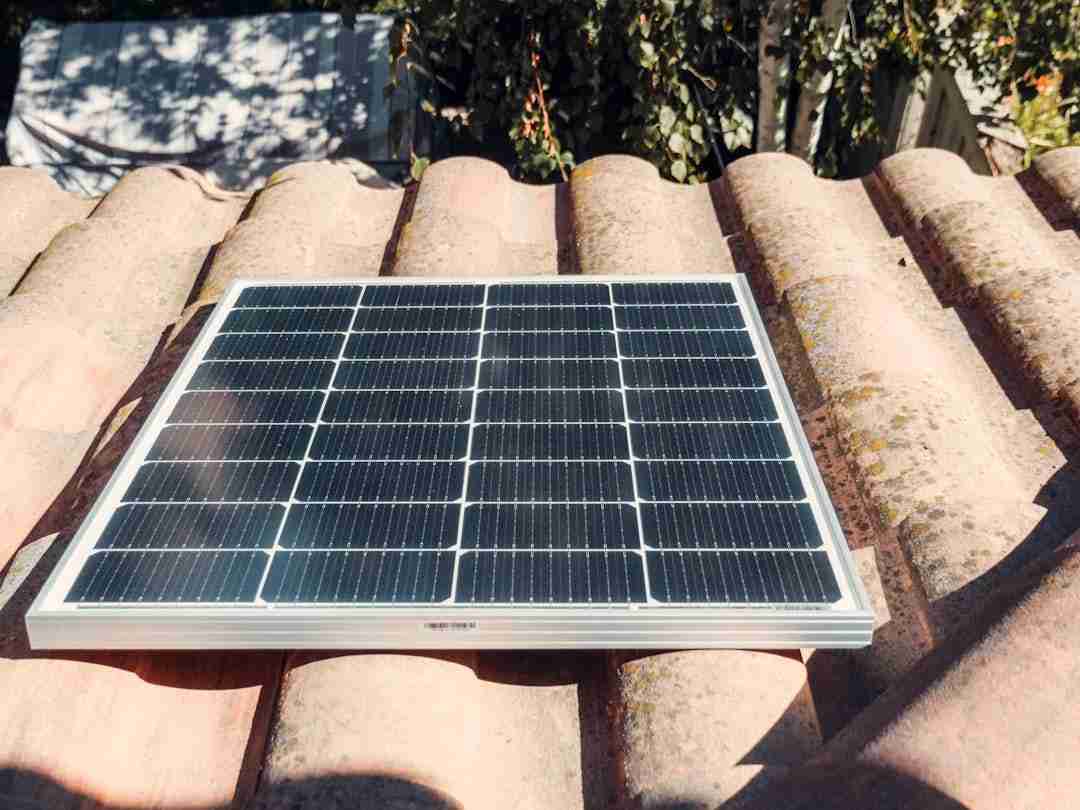
One of the most effective ways to create a sustainable mobile workspace is by harnessing the power of the sun. Solar panels have become increasingly portable and affordable, making them a practical choice for powering devices on the go. Consider investing in a solar panel kit that can easily be attached to a van or RV. These kits often come with everything needed to start generating clean energy right away.
For example, a 100-watt solar panel kit typically costs around $300 and can charge laptops, phones, and other small electronics. This setup not only reduces reliance on non-renewable energy sources but also ensures that power is available in remote locations. According to the Solar Energy Industries Association, solar energy has grown by an average of 42% annually over the past decade, underscoring its viability and sustainability.
Furthermore, solar panels can be paired with portable battery storage solutions to store excess energy generated during sunny periods. This stored energy can then be used at night or during cloudy days, ensuring a continuous power supply. Brands like Goal Zero offer a range of portable power stations designed specifically for mobile lifestyles, providing flexibility no matter where you are.
Eco-Friendly Gear: From Laptops to Backpacks
Choosing eco-friendly gear is another essential step in building a sustainable mobile workspace. Many electronics companies are now offering products made from recycled materials or designed with energy efficiency in mind. For instance, the Dell Latitude 5000 series uses reclaimed carbon fiber and bioplastics in its construction, reducing the environmental impact without compromising performance.
In addition to electronics, consider the materials used in everyday items like backpacks and clothing. Brands like Patagonia and Tentree offer products made from sustainable materials such as recycled polyester and organic cotton. By selecting gear that aligns with eco-friendly values, digital nomads can minimize their environmental impact while supporting companies committed to sustainability.
When selecting a backpack, look for options with certifications like the Global Recycled Standard or the Organic Content Standard. These certifications ensure that the products meet specific sustainability criteria, providing an additional level of assurance that your purchase supports environmental responsibility.
Digital Organization: Reducing Paper Waste
A significant advantage of digital nomadism is the ability to conduct business without relying on physical documents. By embracing digital tools, nomads can drastically reduce paper waste and streamline their workflows. Apps like Notion and Evernote offer robust platforms for note-taking, project management, and document storage, eliminating the need for printed materials.
Cloud storage services such as Google Drive and Dropbox provide secure, paperless solutions for sharing and storing files. These platforms not only decrease the environmental impact but also enhance productivity by allowing access to documents from anywhere in the world.
To further reduce your digital footprint, consider using eco-friendly search engines like Ecosia, which plants trees with its ad revenue. Switching to such services can contribute positively to the environment while maintaining your online efficiency.
Food and Water: Sustainable Choices on the Road
Sustainable living goes beyond just workspace setup; it extends to everyday lifestyle choices, including food and water consumption. Digital nomads can make a positive impact by supporting local and organic food markets, which often have a smaller carbon footprint compared to large-scale grocery chains. Additionally, investing in reusable containers and utensils helps reduce single-use plastic waste.
Water is another crucial consideration. A portable water filtration system can be an invaluable tool for nomads, providing clean drinking water without the need for plastic bottles. Products like the LifeStraw Go offer a convenient solution for filtering water from natural sources, ensuring both sustainability and safety.
Consider adopting a plant-based diet or reducing meat consumption, as these choices can significantly lower your environmental impact. Plant-based foods generally require fewer resources to produce than animal products, making them a more sustainable choice.
Transportation: Opting for Low-Impact Travel
The nomadic lifestyle inherently involves travel, but the way one chooses to move from place to place can greatly affect their carbon footprint. Opting for low-impact travel methods, such as biking, carpooling, or using public transportation, can significantly reduce emissions. For those traveling long distances, trains are often a more sustainable choice than flying, as they produce fewer emissions per passenger.
When vehicular travel is necessary, consider using fuel-efficient or electric vehicles. The upfront cost might be higher, but the long-term savings on fuel and the reduction in environmental impact can be substantial. According to the International Energy Agency, electric vehicle sales have been growing rapidly, highlighting a shift toward more sustainable transportation.
In urban areas, utilizing shared mobility options like bike-sharing programs and electric scooters can provide a flexible and eco-friendly way to navigate cities. These options not only decrease emissions but also reduce congestion and promote healthier lifestyles.
Challenges and Solutions: Adapting to Different Environments
Living and working in varied environments presents unique challenges, particularly when striving to maintain sustainability. Weather, infrastructure, and local resources can all influence the effectiveness of eco-friendly practices. In colder climates, for instance, solar panels may be less efficient, necessitating alternative energy solutions like wind turbines or portable generators that use biofuels.
Internet connectivity can be inconsistent in remote areas, which might require investment in mobile hotspots or satellite internet services. Companies like Starlink are pioneering satellite internet technologies, providing high-speed connectivity in even the most isolated regions. While these services can be costly, they offer a reliable solution for maintaining productivity regardless of location.
Additionally, staying informed about local regulations and customs regarding sustainability can help you adapt your practices to be respectful and effective in different regions. Engaging with local communities to learn about their sustainability efforts and incorporating those practices into your routine can enhance your efforts and create a more authentic experience.
Taking Action: What You Can Do Today
Building a sustainable mobile workspace is a journey, not a destination. It requires ongoing commitment and adaptability. Here are some steps you can take today to start or enhance your eco-friendly nomadic lifestyle:
- Assess Energy Needs: Determine the energy requirements for your devices and explore solar options that fit your budget and lifestyle.
- Choose Eco-Friendly Gear: Research products made from sustainable materials and prioritize energy-efficient electronics.
- Go Digital: Transition to paperless systems using digital tools and cloud storage solutions.
- Support Local: Purchase food from local markets and invest in reusable containers to minimize waste.
- Plan Sustainable Travel: Opt for low-impact transportation methods and consider fuel-efficient vehicle options.
The beauty of a sustainable nomadic lifestyle lies in its ability to harmonize work, travel, and environmental consciousness. By making thoughtful choices and remaining adaptable, digital nomads can not only enjoy the freedom of the open road but also contribute positively to the world they explore. It's a rewarding journey that combines the best of both worlds—adventure and responsibility.