Turning a campervan into an eco-friendly home on wheels is more than just a lifestyle choice; it's a commitment to sustainable living. Imagine waking up to the sound of waves crashing on a remote beach, surrounded by nature, all while minimizing your carbon footprint. This lifestyle is not only appealing but increasingly attainable, thanks to advancements in sustainable technologies and practices. Here’s how to transform your campervan into a green haven, allowing you to enjoy the freedom of the open road while respecting the environment.
Solar Panels: Harnessing the Sun's Power
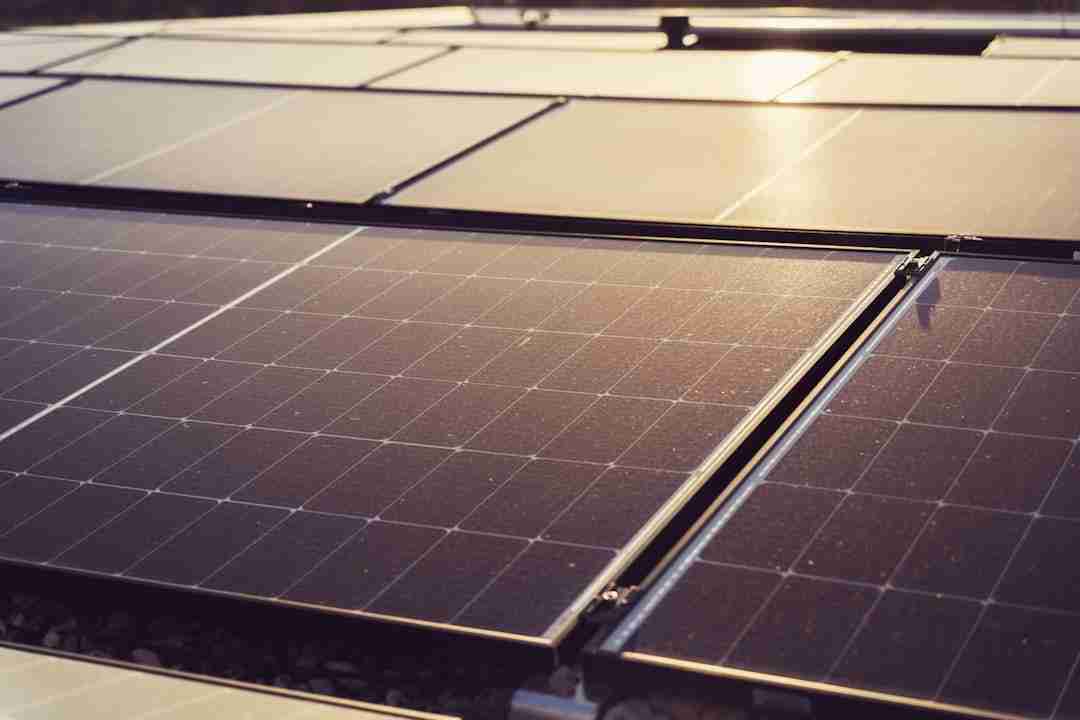
One of the most effective ways to power a campervan sustainably is through solar panels. Installing a solar setup can seem daunting, but it's a step towards energy independence. A basic setup typically includes solar panels, a charge controller, an inverter, and batteries.
For starters, consider flexible solar panels. These are lightweight and can be easily mounted on the van's roof. A 200-watt solar panel system is often sufficient for powering lights, charging devices, and running small appliances. According to experts, this setup can cost around $500 to $1,200, depending on the quality and brand of the components.
When choosing solar panels, look for high-efficiency models like those from Renogy. Pair these with deep-cycle batteries (such as lithium-ion) to store energy for cloudy days or nighttime use. This setup not only reduces reliance on fossil fuels but also cuts down on camping costs over time. Consider the benefits of a portable solar panel setup, which provides flexibility in positioning panels for optimal sun exposure when parked in shaded areas.
Insulating with Sustainable Materials
Insulation is key to maintaining a comfortable temperature inside your campervan, making it livable year-round without excessive energy use. Sustainable insulation options like sheep's wool, recycled denim, or cork are excellent choices. These materials not only provide effective thermal insulation but are also eco-friendly.
Sheep's wool, for instance, is a natural insulator that absorbs and releases moisture, helping regulate humidity levels inside the van. On the other hand, recycled denim is made from post-consumer materials and has great soundproofing qualities. Cork, a renewable resource, is lightweight and resistant to mold, making it ideal for campervan applications.
Installing insulation can be a DIY project, but it requires precision. Measure your van's interior dimensions carefully before purchasing materials. The cost of insulating a van with sustainable materials can range from $300 to $1,000, depending on the size of the van and the materials chosen. To maximize insulation efficiency, ensure all gaps and seams are sealed properly, preventing drafts and maintaining a stable interior climate.
Water Conservation: Efficient Systems
Water management is a critical aspect of living sustainably in a campervan. Efficient water use not only conserves this precious resource but also reduces the frequency of refills. Start by installing a low-flow showerhead and faucet aerators, which can cut water usage by up to 50%.
Consider a greywater recycling system to repurpose water from sinks and showers for flushing toilets or watering plants. These systems can be homemade or purchased from specialized suppliers. A basic greywater system might cost around $200 to $500. Explore options for integrating rainwater collection systems, using simple gutters and water tanks to capture and store rainwater for non-potable uses.
Additionally, collapsible water containers are a practical solution for conserving space and making water transport easier. Look for BPA-free options that are durable and easy to clean. Regularly check for leaks in your plumbing system to ensure no water is wasted. Implementing a water usage monitoring system can help track consumption and identify any areas for improvement in water efficiency.
Cooking with Renewable Energy
Cooking sustainably in a campervan involves a mix of energy-efficient appliances and mindful practices. Propane stoves are commonly used, but they can be supplemented with solar cookers and induction cooktops powered by your solar system.
Solar cookers harness the sun's rays to cook food without any fuel, perfect for sunny days. They're available in various models and can cost between $30 and $300. Induction cooktops, while requiring more initial power, are extremely efficient and cook food faster than traditional electric or gas stoves. To further reduce energy consumption, consider using a thermal cooker, which is similar to a slow cooker but uses retained heat for cooking.
For refrigeration, a 12V compressor fridge is ideal as it uses minimal energy and can run directly from the solar system. Brands like Dometic offer energy-efficient options that are perfect for campervans. To ensure your fridge runs efficiently, keep it well-stocked and avoid frequent opening, as this conserves the cool air inside.
Waste Management: Reducing and Recycling
A sustainable nomad life involves responsible waste management. Start by minimizing waste generation: buy in bulk, use reusable containers, and choose products with minimal packaging. For organic waste, consider a portable composting toilet. These units decompose waste into compost, which can be safely disposed of later. They require no water and are a significant improvement over traditional chemical toilets.
Recycling can be challenging on the road, but many campsites and RV parks offer recycling facilities. Invest in stackable bins to sort recyclables from general waste efficiently. Apps like iRecycle can help find nearby recycling centers. To further minimize waste, implement a zero-waste strategy by using biodegradable cleaning products and opting for digital over paper receipts.
Eco-Friendly Travel Practices
Driving a campervan inevitably consumes fuel, but there are ways to minimize its environmental impact. Regular maintenance, such as keeping tires properly inflated and the engine well-tuned, can improve fuel efficiency. Consider using biodiesel, a renewable fuel made from vegetable oils or animal fats, which can reduce emissions significantly.
Route planning is another crucial factor. Use apps like Komoot to find the most efficient routes, avoiding unnecessary detours that waste fuel. When possible, plan longer stays in locations to reduce the frequency of driving. Use the van's momentum to coast down hills and anticipate stops to avoid frequent braking, both of which can improve fuel economy.
Living with Minimalism: The Art of Less
Sustainable living on the road often means embracing minimalism. Limit possessions to essentials, focusing on quality over quantity. Multi-purpose items are invaluable; a foldable table can serve as a workspace, dining area, and food prep station.
Living minimally reduces clutter and makes it easier to maintain the van. It also encourages mindful consumption, focusing on experiences rather than material possessions. Many find that this lifestyle change leads to greater satisfaction and a deeper appreciation for the natural world. Consider a capsule wardrobe that includes versatile clothing pieces, reducing the need for excessive clothing storage.
Cultivating a Green Mindset
Ultimately, transforming a campervan into an eco-friendly home involves cultivating a green mindset. This means being conscious of the resources used, the waste produced, and the impact on the environment. It's about making choices that prioritize sustainability, from the materials selected for the van's build to the daily habits formed on the road.
This isn't always straightforward, and it requires ongoing effort and adaptation. But the rewards are significant. Living sustainably not only reduces one's ecological footprint but often enhances the quality of life. Cleaner air, quieter surroundings, and a closer connection to nature are just a few benefits.
By embracing these principles and practices, anyone can embark on a sustainable nomad life, creating a positive impact wherever they travel. So, take the first step today. Start planning, researching, and dreaming about the possibilities. The open road awaits, and with it, the chance to live more harmoniously with the planet.