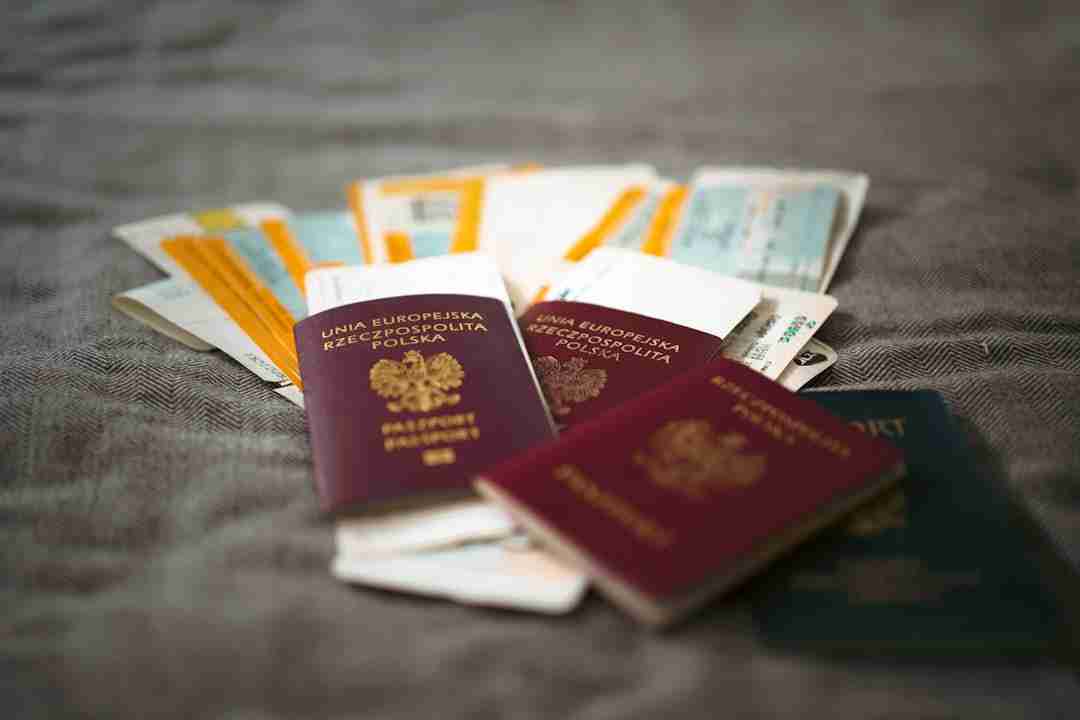
Exploring new countries is exhilarating, yet navigating the visa requirements can feel like a labyrinth. Imagine booking the trip of a lifetime to Thailand, only to discover at the airport that a missing visa document derails the entire adventure. Frustrating, right? Visa requirements abroad can be a complex web, but understanding them is crucial to ensure smooth travels. Here's how to unravel this maze and make your journey a success.
Understanding the Schengen Visa for European Adventures
Travelers often dream of a European tour, hopping from Paris to Berlin without a hitch. But, it's not always that simple. The Schengen Visa is the key to this dream, allowing entry into 27 European countries. However, it's not a one-size-fits-all solution. The application requires detailed documentation, including proof of accommodation, financial stability, and travel insurance. Typically, processing takes about 15 days, though it's wise to apply up to three months in advance. And the cost? Around €80. But here's the catch: each country may have additional specific requirements.
For instance, Spain might request a return flight ticket, while Germany could emphasize your travel itinerary. It's essential to check the embassy website of the primary destination country. A helpful tool is Schengen Visa Info, which offers country-specific guidelines. Remember, the Schengen Visa isn't just a permit; it's a commitment to adhere to the rules of the participating countries.
To illustrate, consider a traveler planning a two-week vacation across Italy, France, and Spain. Each country might have its own unique entry demands – such as Italy's requirement for proof of travel insurance covering €30,000 in medical expenses. Being aware of these specifics can prevent disruptions. Moreover, understanding the difference between a single-entry and multiple-entry Schengen Visa can be beneficial, especially for those planning to exit and re-enter the Schengen Area during their trip.
Navigating the Intricacies of the U.S. Visa Waiver Program
The U.S. Visa Waiver Program (VWP) entices travelers with the promise of visiting the United States for up to 90 days without a visa. However, this convenience is not universal. Only citizens from 40 countries, including the UK, Japan, and Australia, are eligible. Even then, travelers must apply for an Electronic System for Travel Authorization (ESTA) before departure. This isn't merely a formality; the application costs $14 and should be completed at least 72 hours before flying.
Yet, there's more than meets the eye. Having a criminal record or previous visa issues can complicate eligibility. In such cases, applying for a visa is necessary. The U.S. Customs and Border Protection website offers detailed guidance and the application portal. It's crucial to ensure the passport is valid for at least six months beyond the intended stay. These nuances make the VWP both a blessing and a bureaucratic challenge, depending on one's circumstances.
For instance, travelers with dual citizenship need to be vigilant, as the passport used for ESTA must be the same one used to enter the United States. Failure to comply with this requirement can result in denied boarding or entry. Additionally, it's wise to keep a printed copy of the ESTA approval, as some airlines may request to view it during check-in.
The Complexity of the Indian e-Visa Process
Planning a trip to India involves navigating a unique e-Visa process. Unlike traditional visas, the e-Visa allows for online application and is valid for entry through 28 designated airports and five seaports. This convenience comes with stipulations: it's non-extendable, non-convertible, and only available for tourists, business, or medical purposes.
Applicants should prepare to provide personal information, travel plans, and pay a fee ranging from $10 to $80, depending on nationality and duration. Processing time is typically 72 hours, but it can take longer during peak seasons. One critical point often overlooked is the requirement for a return ticket and sufficient funds to cover the stay in India. The Indian Visa Online platform is a valuable resource for ensuring compliance with these requirements. Understanding these specifics can save travelers from unexpected delays or denials.
Consider the scenario of a traveler attending a yoga retreat in India. They must ensure their visa type aligns with their travel purpose. An e-Tourist Visa would suffice for leisure visits, but a different visa may be necessary for more extended stays or work-related travel. Knowing this distinction can prevent complications upon arrival.
Understanding China's Visa Application Process and Its Nuances
China's visa process can be daunting due to its stringent regulations and paperwork. Unlike the e-Visa systems of other countries, China requires applicants to visit the consulate for submission. The application mandates a detailed itinerary, hotel bookings, an invitation letter for business visits, and a confirmed return ticket. The processing fee ranges from $140 for U.S. citizens to lower amounts for other nationalities, with a typical processing time of four business days.
A unique aspect of China's visa is the photograph requirement—a specific size and background color. Any deviation results in rejection. Travelers should also be aware that overstaying a Chinese visa can lead to fines or detainment. For comprehensive guidelines, the China Embassy website provides official instructions and updates. Being meticulous with documentation ensures a smoother experience and avoids the pitfalls of non-compliance.
For example, a business traveler attending multiple meetings in different cities within China must ensure their visa allows for such travel, as some visas may restrict movement to certain regions. Additionally, they should be prepared for potential language barriers at local consulate offices, making it beneficial to seek assistance from a local contact or a visa service provider.
Australia’s ETA and eVisitor: Simplifying Entry for Tourists
Australia offers two electronic travel authorities: the ETA (Electronic Travel Authority) and eVisitor, simplifying entry for short-term tourists and business travelers. The ETA, available to citizens of eight countries including the US and Canada, allows a stay of up to three months. The application is straightforward but requires a service fee of AUD 20.
The eVisitor, on the other hand, is available for European Union citizens and is free. However, both require valid passports and proof of onward travel. It's important to note that these are not work visas. Attempting to work on either can lead to significant legal issues. Applications are processed within minutes, but it's advisable to apply a few days before departure in case of delays. The Australian Government Department of Home Affairs provides a user-friendly portal for applications and additional information.
Imagine a family planning a holiday in Sydney. They must ensure each family member has an individual ETA or eVisitor, as these permits are linked to personal passports. This detail is crucial to avoid last-minute surprises at the airport.
The Intricacies of Russia’s Visa Invitation Requirement
Russia, with its rich history and vibrant culture, is a bucket-list destination for many. Yet, its visa process is notoriously complex. A key component is the invitation letter, often misunderstood by travelers. This document isn't an invitation from a friend or relative but a formal invitation from a Russian hotel or tour operator, recognized by the Russian Ministry of Foreign Affairs.
The cost and processing time for Russian visas can vary significantly based on the type and duration of stay. Generally, the process takes about 10 business days, but expedited services are available for an additional fee. The Russian Visa Center is a reliable resource for understanding these requirements. Travelers should also be aware of the need for a migration card, issued upon entry and required for departure. Navigating these steps ensures a hassle-free Russian adventure.
For travelers interested in the Trans-Siberian Railway, understanding the visa's limitations on city visits is essential. The railway journey may require multiple stops, necessitating a visa that allows for such flexibility. Careful planning and consultation with a travel expert can ensure compliance and a seamless travel experience.
Immediate Actions for Smooth Visa Applications
Navigating the visa maze might seem overwhelming, but breaking it down into actionable steps can significantly ease the process. First, always start by researching the specific visa requirements for the destination months in advance. This allows ample time for gathering necessary documentation and understanding any peculiarities of the application process.
Second, consider using reputable visa service agencies if the process seems daunting. These agencies can provide guidance, assist with paperwork, and help avoid common pitfalls. Third, keep digital and physical copies of all application documents, including receipts and correspondence with consulates or embassies. This practice can prevent unnecessary stress if any issues arise during travel.
Lastly, staying informed about travel advisories and any changes in visa regulations is crucial. Government websites and travel forums like TripAdvisor are excellent resources for up-to-date information. By taking these steps, travelers can transform the daunting task of visa applications into a manageable part of their travel planning.
Understanding and preparing for visa requirements is a critical component of international travel. By following these guidelines and utilizing the available resources, travelers can ensure their journeys start smoothly and remain enjoyable. The world is waiting to be explored, and with the right preparation, the paths are wide open.


