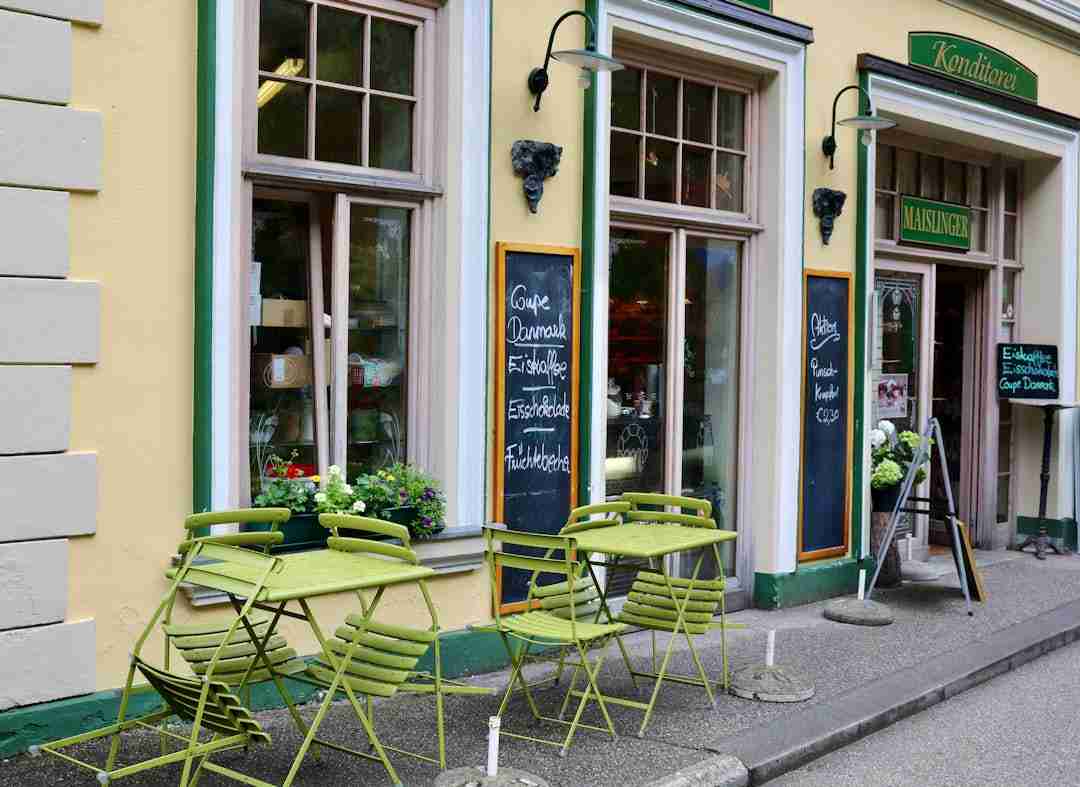
Living on a tight budget doesn't mean sacrificing quality of life, especially for those adventurous enough to embrace a nomadic lifestyle abroad. Imagine sipping a freshly brewed espresso in a quaint European cafe, knowing it cost less than your morning coffee back home. Or consider the possibility of living in a beachfront apartment in Southeast Asia for a fraction of the rent in a major Western city. For many, this isn't just a dream—it's a reality. The key lies in strategic planning and adopting innovative hacks that seasoned nomads have mastered. These strategies are not only effective but can be seamlessly integrated into one's daily routine.
Embrace Slow Travel: Time as an Ally
The concept of slow travel is more than just a leisurely pace; it's a cost-effective strategy that allows deeper cultural immersion. By staying in one location for extended periods, travelers often benefit from substantial discounts on accommodations. For instance, many Airbnb hosts offer reduced rates for month-long stays, sometimes slashing prices by up to 50%. This not only saves money but also fosters a sense of community, as staying longer provides opportunities to forge local connections.
Another advantage of slow travel is the ability to capitalize on local deals and promotions. In many countries, residents—or those appearing to be long-term visitors—are privy to discounted rates at local attractions, markets, and even transportation. This approach requires a shift in mindset from tourist to temporary resident, but the financial benefits are significant. Moreover, by immersing oneself in the local culture and routine, travelers often find unique opportunities to participate in community events or festivals, which can enhance the travel experience without breaking the bank.
Mastering the Art of Bargaining
In many parts of the world, bargaining is not only accepted but expected. It's a skill that can drastically reduce daily expenses, from market produce to transportation. In Southeast Asia, for example, it's common to negotiate prices in markets, potentially saving up to 30% on purchases. But haggling isn't just about price—it's a way to engage with local culture and customs, turning what could be a simple transaction into an enriching cultural exchange.
To successfully negotiate, it's crucial to do some homework. Understanding the typical price range for goods and services provides a solid starting point. Furthermore, approaching the negotiation process with respect and politeness often leads to better outcomes. Many find that learning a few key phrases in the local language can tip the scales in their favor, as it demonstrates effort and respect towards the culture. For those new to bargaining, observing local interactions can be an excellent way to learn the nuances of these exchanges, providing insight into the pace and expectations of negotiations.
Leveraging Technology for Savings
Technology can be a formidable ally in the quest to live well on a shoestring. Apps like XE Currency ensure travelers are always aware of the current exchange rates, which is essential for avoiding unfavorable currency conversion fees. Platforms such as Skyscanner and Hopper are invaluable for finding the best flight deals. These tools often include features such as price alerts that notify users when fares drop, allowing for strategic planning and booking.
Accommodations can also be more affordable with apps like Hostelworld or Couchsurfing, where budget-friendly lodging options abound. For those willing to trade a bit of work for a free place to stay, Workaway connects travelers with hosts around the world offering room and board in exchange for help with various tasks. This exchange not only saves money but often leads to enriching cultural exchanges and the development of lasting friendships.
Cooking Like a Local: The Budget Gourmet
Dining out can quickly become one of the largest expenses for travelers, but it doesn't have to be. Many seasoned nomads swear by embracing local markets and cooking their meals. Not only is this significantly cheaper, but it also provides an opportunity to experiment with local ingredients and flavors. In cities like Lisbon or Bangkok, fresh produce and seafood at local markets are not only abundant but also incredibly affordable.
Cooking at home allows travelers to experience a destination's culinary culture on a deeper level. Simple dishes that locals enjoy daily provide insight into the region's food traditions. For those who enjoy socializing, organizing or joining a communal cooking night with fellow travelers can turn a simple meal into a memorable event. Additionally, local cooking classes can offer a fun and educational experience, providing skills that can be used throughout the journey.
Public Transit: The Unsung Hero of Travel
While taxis and ride-sharing apps offer convenience, public transportation is often an overlooked gem for budget-conscious travelers. In cities like Berlin or Tokyo, public transit systems are not only efficient but also offer the chance to see the city from a local's perspective. Monthly transit passes are usually available at a discount and can be a great investment for those staying longer.
Walking and biking are also economical and environmentally friendly options. Many cities have bike-sharing programs that allow travelers to explore at their own pace, often for less than the cost of a single bus ticket. These modes of transport not only save money but also provide health benefits and a unique way to experience a new city. To further enhance the experience, consider downloading local transit apps that provide real-time updates and route planning to maximize efficiency and convenience.
Finding Community Through Co-Living
Co-living spaces are becoming increasingly popular among digital nomads and long-term travelers. These spaces offer affordable accommodation, usually with the added benefit of a ready-made community. For example, places like Selina offer co-living options that include coworking spaces and community events, making it easier for travelers to connect with like-minded individuals.
The social aspect of co-living can be particularly beneficial for those traveling solo, providing a sense of belonging and shared experiences. Additionally, co-living spaces often include utilities and amenities in the price, which can lead to significant savings compared to traditional rentals. Engaging in organized activities or workshops within these communities can also enhance the travel experience by providing learning opportunities and fostering deeper connections.
Maximizing Deals and Discounts
Loyalty programs and discount cards can be a treasure trove of savings for those willing to invest a bit of time in research. Many countries offer tourist cards that provide discounts on public transport, museums, and attractions. For instance, the Barcelona Card offers free public transport and discounted entry to numerous attractions, potentially saving travelers a significant amount of money.
Joining loyalty programs for airlines and hotel chains can also yield benefits. Accumulating points over time can translate into free flights or nights at hotels, reducing travel expenses substantially. It's also wise to keep an eye out for special promotions or flash sales, which can offer substantial savings on everything from flights to local experiences. Subscribing to newsletters or joining travel forums can provide insights into upcoming deals and insider tips that are not widely advertised.
Adapting to Local Lifestyles
Ultimately, living well on a shoestring often boils down to adaptation. Embracing the local lifestyle can lead to significant savings and richer experiences. This might mean adjusting to local meal times, shopping at neighborhood markets, or participating in community events. By doing so, travelers not only reduce expenses but often discover a greater sense of fulfillment and connection to their surroundings.
This isn't always straightforward, and adapting to a new culture requires patience and open-mindedness. However, the rewards—both financial and personal—are well worth the effort. The reality is that living well abroad requires a blend of strategic planning, flexibility, and a willingness to embrace new experiences. Engaging with locals, perhaps through language exchange meetups or volunteering, can further enhance the experience by providing deeper cultural insights and friendships.
In conclusion, living on a shoestring as a nomad abroad is entirely possible with the right strategies. By embracing slow travel, mastering the art of bargaining, leveraging technology, and adapting to local lifestyles, you can enjoy an enriching and affordable experience. Start today by researching your next destination and considering how these strategies can be applied to make the most of your journey.


