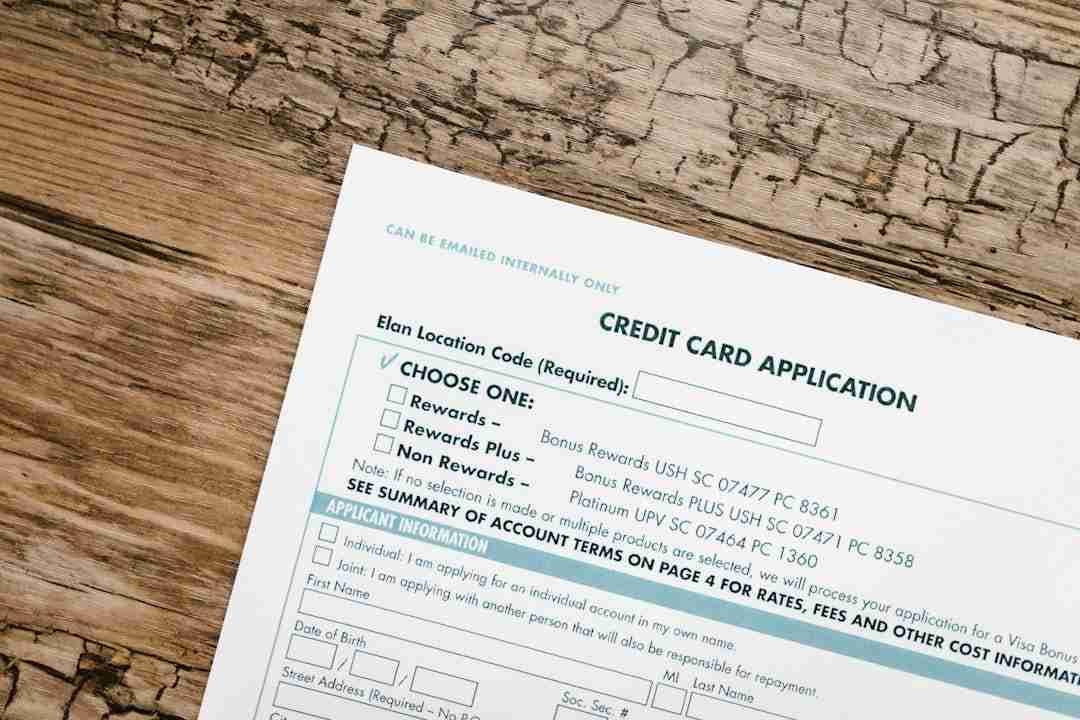
The thrill of starting a new life in a foreign country is often accompanied by a daunting task: understanding the visa process. For many, the myriad of terms and requirements can feel like navigating a labyrinth without a map. The stakes are high, with potential pitfalls at every turn that could derail plans and dreams. But don't worry, you're not alone. Many have walked this path before, and there are strategies to help you avoid the common traps.
The $500 Mistake: Not Knowing Visa Costs Upfront
Visa applications can be surprisingly costly, and failure to budget for these expenses can leave you scrambling. Depending on the country, application fees can range from $50 to over $500. For instance, a U.S. non-immigrant visa application fee typically costs $160, but additional fees for visa issuance can apply based on reciprocity agreements between countries. It's the hidden costs that often catch applicants off guard.
To avoid financial surprises, research the specific fees associated with your visa type and destination. Many countries provide detailed breakdowns on their official immigration websites. For a comprehensive list of U.S. visa fees, visit the U.S. Department of State's website. Planning ahead can save you from unexpected financial strain.
Additionally, consider potential supplementary costs such as travel to the visa application center, medical examinations, and document translation services. These can significantly increase the overall expense and are often overlooked when budgeting for a visa application. For example, a Canadian work visa might entail a medical exam that can cost upwards of $200, depending on the provider. Therefore, having a clear understanding of all associated expenses is essential for a seamless visa application process.
The Language Trap: Misunderstanding Terminology
Visa jargon can be confusing, especially when terms like "residency," "work permit," and "visa waiver" are thrown around interchangeably. Misunderstanding these terms can lead to applying for the wrong document altogether. A common error is confusing a work visa with a residency permit. While both allow you to stay in a country, they serve different purposes. A work visa permits employment, whereas a residency permit typically allows for long-term stay without employment rights.
Experts suggest using reliable resources to clarify these terms. Websites like VisaHQ provide glossaries and guides to help you understand what each document entails. It's crucial to know precisely what type of visa you need before you begin the application process, saving you time and potential rejection.
To further illustrate, consider the case of a traveler applying for a Schengen Visa, often mistaken for a residency permit. While the Schengen Visa allows for travel across multiple European countries, it does not grant residency rights. This distinction is vital for those planning extended stays, as overstaying a visa can lead to significant legal issues, including deportation and future travel bans. Always cross-reference terms with official resources to eliminate any ambiguity.
Timing is Everything: Processing Times and Validity Periods
Visa processing times vary significantly and can affect your travel plans if not accounted for. Some visas are processed within days, while others can take months. For example, the processing time for a U.K. Tier 2 work visa can range from 3 to 8 weeks. Missing this window could mean rescheduling flights or even job start dates.
Moreover, visa validity periods differ. A tourist visa might be valid for only 90 days within a 180-day period, while a work visa could last several years. Knowing these timelines is vital for planning your stay and avoiding overstays, which can lead to penalties or bans from the country.
To track processing times, consult the official immigration website of your destination country. The U.K. government site provides up-to-date information on visa processing times, helping you plan accordingly.
In addition, consider the impact of peak application periods. For countries like Australia, which often experience a surge in tourist visa applications during summer months, processing times can extend significantly. It's wise to apply well in advance of your intended travel dates to circumvent any delays. Some applicants also choose to expedite their process through premium services available in certain countries, often for an additional fee, to ensure timely approval.
The Documentation Dilemma: Missing or Incorrect Papers
Incorrect or missing documentation is one of the most common reasons for visa denials. Each visa type requires specific documents, such as proof of funds, employment letters, or health checks. Missing just one document can delay the process or result in outright rejection. Consider the case of a French student visa applicant who failed to provide proof of accommodation, leading to a visa denial and missed enrollment.
To ensure you have everything needed, create a checklist based on the requirements listed on the official immigration website of your destination. Many find that organizing documents in a digital format, using tools like Notion or Google Drive, can prevent last-minute scrambling.
Furthermore, it's beneficial to double-check document requirements periodically, as regulations can change without notice. For instance, the recent addition of biometric data collection for certain visa types requires applicants to schedule and attend an in-person appointment. Missing this step, due to outdated information, can jeopardize your application. Staying informed through official channels or subscription alerts can ensure you meet all necessary criteria.
Legal Advice: When to Consult an Immigration Lawyer
Navigating visa complexities often warrants professional guidance. While many applications are straightforward, others, particularly those involving work sponsorships or family reunifications, can be intricate. In these cases, consulting an immigration lawyer might be wise. They can provide personalized advice, ensuring your application meets all legal requirements and deadlines.
Legal fees can vary, with consultations ranging from $100 to $300 per hour, depending on the complexity of your case and the lawyer's expertise. However, this investment can safeguard against costly application errors. Websites like Avvo offer directories of immigration lawyers, along with reviews and ratings to help you find trusted professionals.
When deciding to seek legal advice, consider the nuances of your situation. For example, dual citizenship applications or cases involving dependent family members often involve complex legal frameworks that benefit from expert interpretation. An immigration lawyer can also assist in appealing denied applications, providing strategic guidance through the appeal process. This legal expertise can be invaluable in navigating the multifaceted nature of immigration law.
Technology to the Rescue: Using Apps for Visa Management
In today's digital age, technology can simplify the visa process. Several apps and online services are designed to help manage visa applications, track deadlines, and store digital copies of documents. For instance, Trello offers customizable boards to track application progress and deadlines, while apps like Trail Wallet can help manage visa-related expenses.
These tools can provide reminders for renewal dates and alert you to any changes in visa regulations. By leveraging technology, you can streamline the process, ensuring nothing slips through the cracks.
Moreover, some apps offer features like multi-language support, which can be particularly beneficial for non-native speakers navigating visa requirements in a foreign language. Platforms such as Google Translate offer real-time translation services that can assist in understanding complex documents and communications from immigration offices. Embracing these technological advancements can lead to a more organized and stress-free application experience.
Preparing for the Unexpected: Contingency Plans for Visa Delays
Even with meticulous planning, delays happen. Political changes, global events, and backlogs can all affect visa processing times. Having a contingency plan can mitigate the impact of these delays. Consider booking flexible flights or accommodations that allow changes without penalties. Some airlines offer flexible ticket options that can be adjusted if your visa is delayed.
Additionally, keep an emergency fund to cover unexpected expenses resulting from delays. Experts recommend having enough to cover at least one month's living expenses in your destination country. This financial cushion provides peace of mind and allows you to handle unforeseen circumstances with less stress.
In addition to financial preparedness, consider the implications of a delay on your personal and professional commitments. Communicate with your employer or educational institution about the possibility of visa-related delays and explore remote options or deferred start dates if necessary. Establishing open lines of communication can prevent misunderstandings and ease the transition once your visa is approved.
Taking Action Today: Your First Steps Toward a Smooth Visa Journey
The complexities of visa applications can be daunting, but with the right preparation, you can navigate these challenges successfully. Start by researching the specific requirements and costs associated with your desired visa. Use technology to keep track of deadlines and required documents, and don't hesitate to consult professionals when needed.
Remember, knowledge is power. By understanding the process and potential pitfalls, you're better equipped to handle any challenges that come your way. Take action today by visiting the official immigration website of your destination country to gather the latest information. With careful planning and the right resources, your path to becoming an expat can be a smooth and rewarding journey.


