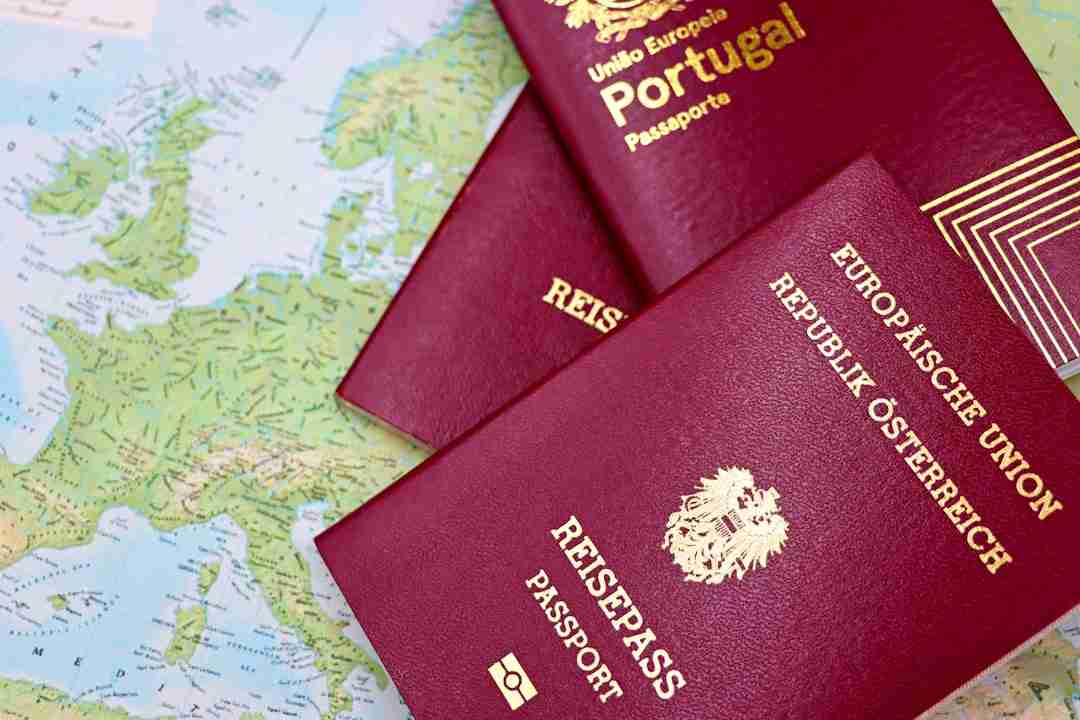
Backpacking across Europe offers an unparalleled sense of freedom and adventure. The thrill of spontaneous travel is intoxicating: one day sipping espresso in a Roman piazza, the next hiking the Swiss Alps. But even the most free-spirited traveler must contend with the realities of visa laws. Imagine planning a multi-country trek, only to be stopped at a border because of an overlooked visa requirement. The key to a seamless journey lies in understanding the intricacies of European visa laws and planning accordingly.
Understanding the Schengen Visa: 90/180 Rule Explained
The Schengen Area, encompassing 27 European countries, operates under a common visa policy. For many travelers, a Schengen visa is a golden ticket for European exploration. But there's a catch—the 90/180 rule. Essentially, this means you can stay in the Schengen Zone for up to 90 days within any 180-day period. Misinterpret this rule, and you might face fines or even a ban. Tracking your days can be complex, especially when multiple entries and exits are involved.
To manage your travel days effectively, consider using a Schengen Calculator to track your time. This tool helps ensure you don't accidentally overstay. Remember, the 180-day period is rolling, meaning it constantly shifts as you move through your travel dates. Always count backward from your planned departure date to check compliance.
When planning your itinerary, consider the length of stays in each country. For instance, spending extended time in popular destinations like France or Italy could mean needing to cut short visits to other Schengen countries. Travelers often find it helpful to create a detailed schedule accounting for each day spent in a Schengen nation. This foresight can prevent the need for hurried exits and ensure each destination is enjoyed to the fullest.
Non-Schengen European Countries: A Potential Loophole
Here's a strategy seasoned travelers use: alternate between Schengen and non-Schengen countries. Nations like the UK, Ireland, Romania, Bulgaria, and Croatia have their own visa regulations, separate from the Schengen rules. This means you can reset your 90-day Schengen timeline by spending time in these countries. For example, after 90 days in the Schengen Area, a stay in Romania could provide a breather before returning to Schengen countries.
However, each non-Schengen nation has its own visa policies. The UK, for instance, allows tourists to stay for up to six months. Always check specific country requirements before arrival. Websites like Gov.uk offer detailed visa information for the UK, while Romania's Ministry of Foreign Affairs provides guidance for its own visa policies.
To maximize your time, consider creating a balanced itinerary that includes both Schengen and non-Schengen countries. For instance, after exploring Portugal and Spain, crossing into the UK or Ireland allows for an extended European experience without breaching Schengen limits. This approach not only extends your travels but also enriches your journey with diverse cultures and experiences.
Visa Waiver Programs: The ETIAS and More
Starting in 2024, travelers from visa-exempt countries will need to apply for the European Travel Information and Authorization System (ETIAS) before entering the Schengen Zone. Much like the ESTA for the United States, ETIAS is an electronic authorization valid for three years or until your passport expires. The application is straightforward, requiring basic personal and travel information, and can be completed online.
The ETIAS aims to enhance security and streamline border control processes. Be proactive—apply for ETIAS well before your trip to avoid last-minute complications. More information and application links can be found on the official ETIAS website.
Remember to check the status of your ETIAS frequently, as travel plans may change and require updates to your authorization. Being well-prepared includes ensuring that your passport is up-to-date and has enough validity to cover the duration of your ETIAS. This foresight can prevent unnecessary stress at border crossings and contribute to a more enjoyable travel experience.
Long-Term Stay Options: Student, Work, and Digital Nomad Visas
If 90 days isn't enough, consider alternative visas. Many European countries offer long-term visas for students, workers, and digital nomads. For instance, Germany's Freelance Visa allows creatives and self-employed individuals to live and work in the country. Similarly, Estonia offers a Digital Nomad Visa, enabling remote workers to stay for up to a year.
Applying for these visas requires thorough documentation, including proof of income, health insurance, and sometimes a local address. The application process can be lengthy, so start early. Check specific embassy websites for detailed requirements and submission guidelines. For example, Germany's Federal Foreign Office provides comprehensive visa information.
Consider exploring educational opportunities as a way to extend your stay. Many countries offer student visas for language courses or degree programs, providing an excellent opportunity to immerse yourself in the culture while adhering to visa regulations. Always verify the specific entry and residence requirements for students to ensure compliance with local laws.
Border Control Tips: What to Expect and How to Prepare
Even with the right visas, border crossings can be unpredictable. Always carry a printed itinerary, proof of onward travel, and accommodation bookings. These documents reassure border officials of your intent to leave the country within the visa's limits. Be prepared to explain your travel plans clearly and concisely.
For non-EU travelers, some countries may request to see proof of sufficient funds. Consider carrying recent bank statements or a credit card with available credit to show financial stability. Also, ensure your passport is valid for at least six months beyond your planned departure date from Europe.
In addition to physical documents, consider storing digital copies of crucial documents on your smartphone or cloud storage. This backup ensures that even if you lose your physical copies, you can still access the information needed for border crossings. Being organized and ready with both physical and digital backups can significantly ease the stress of travel.
Health and Travel Insurance: A Non-Negotiable Requirement
Travel insurance isn't just a precaution—it's often a visa requirement. The Schengen visa mandates coverage of at least €30,000 for medical emergencies. Even if insurance isn't explicitly required, it's wise to have it. Unexpected medical expenses can be exorbitant.
Choose a reputable insurance provider and ensure your policy covers all the countries on your itinerary. Look for coverage that includes emergency evacuation, trip cancellation, and personal liability. Companies like World Nomads offer tailored travel insurance plans for backpackers.
Before purchasing a policy, take time to read reviews and compare different providers. Pay attention to the fine print regarding coverage limits and exclusions. This diligence ensures that when faced with an emergency, you won't be caught off-guard by unexpected expenses or coverage gaps.
Practical Tips for Avoiding Common Visa Pitfalls
A little foresight can prevent visa-related headaches. Before booking flights, verify visa requirements for each country on your list. Check if transit visas are needed for layovers. Some countries, like Russia, require a transit visa even if you're just changing planes.
Consider this: visa rules can change, sometimes abruptly. Stay informed by regularly checking official government websites or subscribing to travel advisories. And don't forget to photocopy all important documents, storing them separately from the originals. Digital backups on secure cloud services like Google Drive can also be invaluable.
Cultivate a habit of double-checking visa requirements before making any travel-related purchases. This practice can save you from costly changes or cancellations. By staying vigilant and informed, you can navigate the complex landscape of European visas with ease and confidence.
The Importance of Flexibility: Adapting Plans as Needed
Travel plans often need adjusting. Whether it's an extended stay in a captivating city or an unexpected border closure, flexibility is crucial. Build buffer days into your itinerary to accommodate changes. This leeway can be a lifesaver for meeting visa requirements without stress.
In cases of unforeseen extensions, research options for extending your stay legally. Some countries offer visa extensions under specific circumstances. Always consult the nearest embassy or consulate for guidance on extending your visa while staying compliant.
Embrace the unpredictability of travel by keeping an open mind and a flexible schedule. This adaptability allows you to seize unexpected opportunities and handle challenges with composure. By preparing for the unexpected, you ensure your European adventure remains a joyful and memorable experience.


