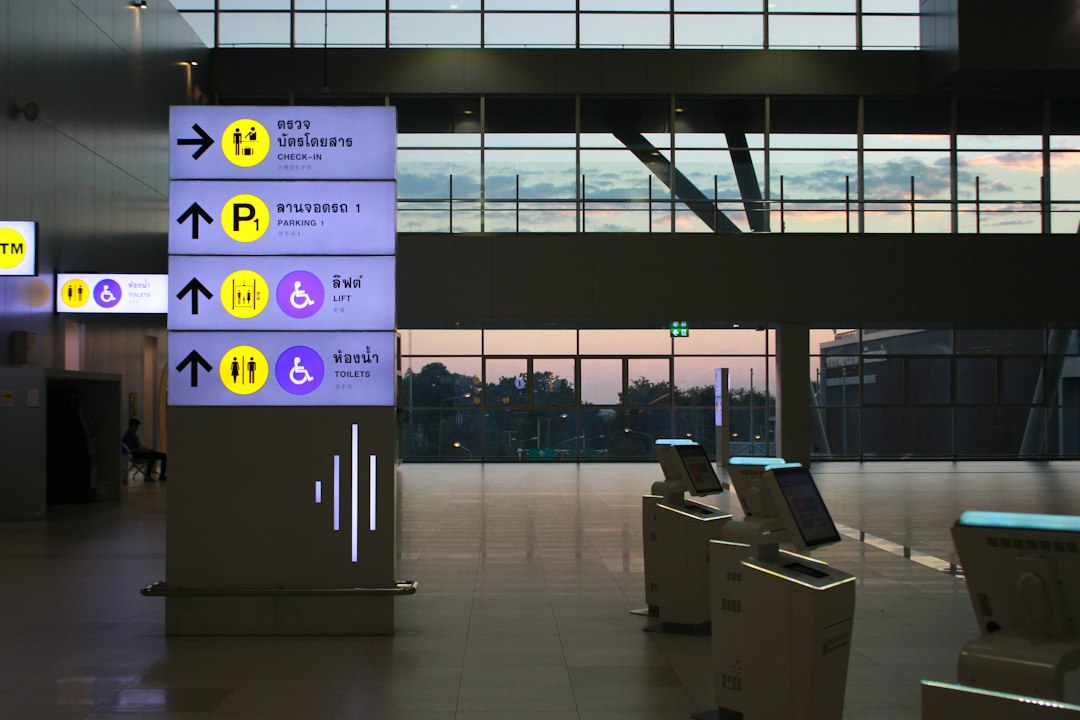
Navigating the maze of visa extensions while living abroad can feel daunting. Imagine this: you've settled into a cozy apartment, begun to master the local language, and then it hits you—your visa is about to expire. Panic sets in as you grapple with foreign bureaucracy. Here's the good news: with the right approach, extending your visa doesn't have to be a headache. Let's explore how to make the process smoother and less stressful.
Know the Deadlines: Timing Is Everything
Understanding the timeline for your visa extension is crucial. Missing the deadline can result in fines, deportation, or bans on future travel. Typically, it's advised to start the extension process at least 30 to 90 days before your visa expires. For example, in Thailand, the Thai Immigration Bureau recommends applying for an extension 30 days before your current visa runs out.
In countries like Germany, the process might require even more lead time, sometimes up to three months. Always check the specific requirements of your host country. Keep a calendar reminder or utilize tools like Google Calendar to set alerts well in advance of these deadlines. This proactive step ensures you're not caught off guard. Consider creating a detailed timeline that includes buffer periods for unexpected delays, such as public holidays or office closures, which could impact your planning.
Understanding Local Holidays
Speaking of public holidays, it's essential to familiarize yourself with the local calendar. Some countries have extended holiday periods, during which government offices may be closed or operate with reduced hours. For instance, during the Lunar New Year in many Asian countries, government services may be unavailable for several days. Being aware of these dates and planning around them can save you from unnecessary stress.
Gather Essential Documents: A Checklist for Success
Each country has its own list of required documents for visa extensions, but there are some commonalities. Typically, you'll need:
- A valid passport with a few blank pages and a validity period extending beyond your intended stay.
- Recent passport-sized photographs.
- Proof of financial means, such as bank statements or a letter from your employer.
- A completed visa extension application form.
- Proof of residency, like a rental agreement or utility bill.
It's wise to keep both physical and digital copies of these documents. Tools like Google Drive can be invaluable for storing and sharing your files securely. To prevent last-minute document searches, create a checklist of required paperwork and tick each item off as you compile them. This methodical approach helps ensure nothing is overlooked.
Additional Documentation Tips
Consider reaching out to expat communities or forums for advice on less obvious documentation that might be needed. In some countries, additional proof such as a police clearance certificate or health insurance documentation might be required. Gathering testimonials from others who have recently gone through the process can provide insights into any additional paperwork that could strengthen your application.
Local Offices vs. Online Applications: Weighing Your Options
Some countries offer the convenience of online applications. For instance, the United Kingdom provides an online visa extension service through its official government website. This can save time and reduce the need for in-person visits. However, not all nations have embraced digital solutions.
In many cases, you'll need to visit a local immigration office. This can be an opportunity to ask questions and ensure all documentation is correct. However, it may also mean long waits and potential language barriers. Consider bringing a local friend or hiring a translator if language might be an issue. The choice between online and in-person depends on your comfort with technology and the specific services available in your location.
Navigating Language Barriers
If language presents a potential hurdle, prepare by learning basic phrases related to immigration and visa processes. Apps like Duolingo or language exchange meetups can be helpful in acquiring essential vocabulary. Having a translation app on your phone or carrying a phrasebook can also aid in communication during in-person visits.
Fees and Costs: Be Prepared Financially
Visa extension fees vary widely depending on the country and visa type. In Australia, for instance, extending a student visa can cost upwards of AUD 620. Meanwhile, extending a tourist visa in the Philippines might set you back PHP 13,900. Always check the official immigration site of your host country for the most accurate fee information.
Consider currency fluctuations and bank fees if paying from a foreign account. Setting aside a dedicated fund for visa-related expenses can prevent financial surprises. Knowing the costs upfront allows for better budgeting and financial planning. Look into whether your host country offers discounts or waivers for certain visa categories, such as student or volunteer visas, which could reduce costs.
Hidden Costs to Consider
Beyond the obvious fees, factor in potential hidden costs such as travel expenses to immigration offices or notarization services for documents. Some countries may require medical examinations or additional vaccinations, which also incur costs. Being financially prepared for these potential expenses ensures a smoother process.
Potential Pitfalls: Common Mistakes to Avoid
Even the best-prepared individuals can encounter hurdles. One common mistake is incomplete documentation. Double-check that all forms are filled out completely and accurately. Another pitfall is misunderstanding the type of visa you're eligible to extend. Always confirm your visa category and its specific requirements.
Additionally, failing to maintain legal status while waiting for an extension decision can be a problem. Some countries allow you to remain legally during this period, while others do not. Clarify this with immigration authorities to avoid complications. Consult online forums or expat groups for firsthand accounts of potential pitfalls others have faced, providing insight into what to avoid.
Double-Checking Your Application
Invest time in reviewing your application thoroughly before submission. Simple errors such as incorrect dates or misspelled names can lead to delays or rejections. Consider having a trusted friend or colleague review your application for accuracy—a fresh set of eyes might catch mistakes you overlooked.
Seek Expert Help: When to Consult a Professional
If the process feels overwhelming, consulting an immigration lawyer or a visa specialist might be beneficial. These professionals can provide guidance tailored to your situation, potentially saving you time and stress. Services like Visahq can help match you with experts who understand the intricacies of different country's immigration laws.
While hiring a professional involves a cost, it can be a worthwhile investment, especially if your case is complex or if you're dealing with a country known for strict regulations. Professionals can offer valuable insights into the nuances of local immigration laws and ensure your application meets all necessary standards.
Staying Informed: Keep Up with Policy Changes
Immigration policies can change unexpectedly. Staying informed about such changes is essential. Regularly visit the official immigration website of your host country or subscribe to updates from trustworthy news sources. Joining expat communities, either online or in-person, can also provide real-time insights and shared experiences from fellow travelers.
Platforms like Expat.com or local Facebook groups can be valuable resources. These communities often share tips and firsthand advice that can help you navigate the process more smoothly. Consider setting up Google Alerts for immigration news relevant to your host country to ensure you receive timely updates.
Leveraging Technology for Updates
Use technology to your advantage by subscribing to newsletters or email alerts from reputable immigration law firms or international organizations. Following relevant social media accounts can also keep you abreast of urgent updates or changes in immigration policies.
A DIY Approach: Pros and Cons
Handling the visa extension yourself can be rewarding but challenging. On the plus side, you'll save money on consultancy fees and gain a deeper understanding of local bureaucracy. However, it requires a keen eye for detail and a willingness to manage paperwork.
If you choose to go it alone, meticulous organization is key. Create a folder (physical or digital) where you keep all relevant documents, receipts, and correspondences. Using apps like Notion can help manage and track your progress effectively. Break down the process into manageable steps, setting small goals and deadlines to keep yourself on track.
Building a Support Network
Even if you're handling the extension yourself, building a support network can be invaluable. Connect with others who have navigated the process successfully. They can offer guidance, share resources, and provide moral support, ensuring you don't feel isolated during the journey.
Practical Takeaways: What You Can Do Today
To avoid the headaches of visa extensions, start by reviewing your current visa's expiration date and setting reminders. Gather necessary documents and store them securely. Research the extension process for your specific country and consider whether online or in-person applications suit you better.
Evaluate your financial readiness for extension fees and potential professional assistance. Lastly, stay connected with expat communities for support and updates on policy changes. These steps will put you on a path to a hassle-free visa extension experience.
Navigating visa extensions doesn't have to be a stressful ordeal. With preparation, organization, and a bit of diligence, you can manage the process confidently and continue to enjoy your adventures abroad.