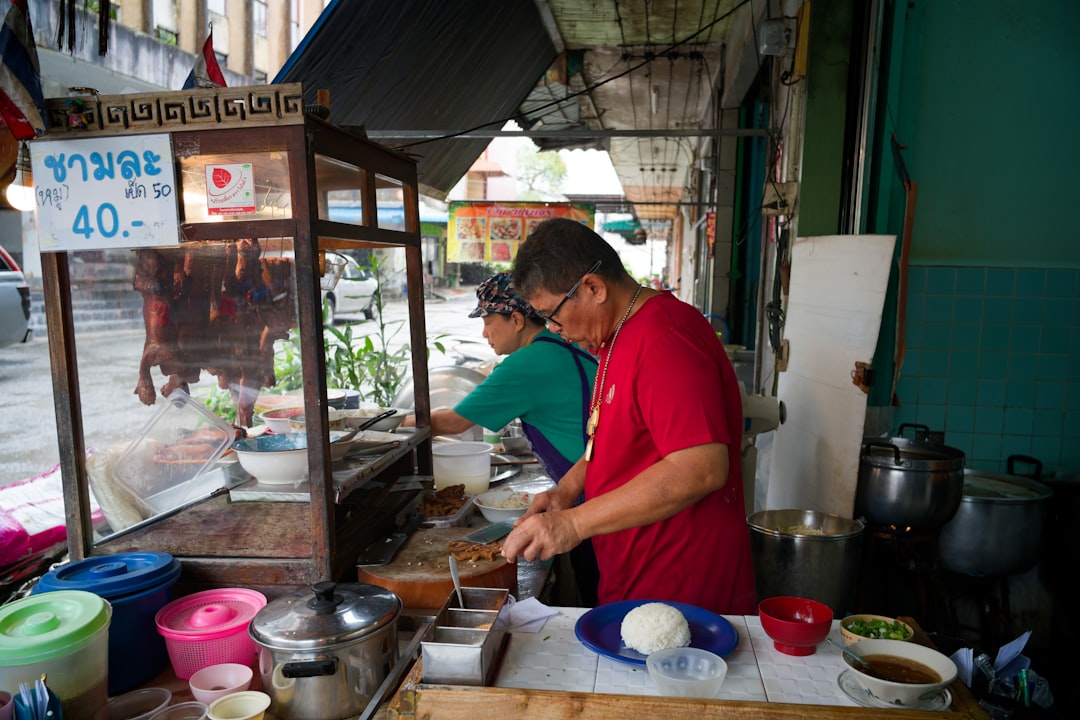
Imagine you’re in a bustling market in Bangkok, the aroma of sizzling street food mingling with the chatter of vendors and the hum of traffic. You’re handed a skewer of grilled meat, and, without a second thought, you take a bite. The flavors explode in your mouth—sweet, spicy, salty, and a bit tangy all at once. It’s nothing like what you expected. And that’s the beauty of it. Culinary adventures like this aren’t just about filling your stomach. They’re about diving headfirst into the unknown and coming out with a new perspective on life.
Why Most People Get This Wrong
When people think of traveling, they often picture iconic landmarks, museums, or perhaps a relaxing beach. But I’ve noticed that food often takes a backseat in travel planning, which is a shame. Here’s the thing: food is one of the most authentic expressions of culture. It’s a universal language that transcends barriers. Yet, many travelers stick to the familiar McDonald’s or Starbucks, missing out on the culinary tapestry that a foreign land has to offer. I get it, though. It’s easy to cling to what you know, especially when you’re jet-lagged and just want something quick and predictable. But trust me, stepping out of your comfort zone can be incredibly rewarding.
Consider the case of Anthony Bourdain, a chef who turned into a travel documentarian. His journeys around the globe were not about visiting the most famous tourist spots but about connecting with people through food. Whether he was eating noodles on a plastic stool in Hanoi or enjoying home-cooked meals in a family kitchen in Sicily, Bourdain showed the world that the essence of a place is often found in its local dishes. His travels highlighted how food can serve as a bridge between different cultures, a testament to the shared humanity we all possess.
The Part Nobody Mentions
Traveling for food isn’t always glamorous. It’s not just about dining at Michelin-starred restaurants or tasting wine in a Tuscan vineyard. Sometimes it’s about trying something that looks a bit dubious on a street corner or communicating your order with exaggerated hand gestures and a smile. And yes, occasionally, it’s about dealing with an upset stomach. But these experiences are part of the adventure. They make for the stories you’ll tell long after you’ve returned home. Like that time I tried durian in Singapore—let’s just say the smell is something you don’t forget. But it was worth it for the bragging rights!
In Morocco, for example, street vendors sell a delicacy called snails cooked in a spicy broth. Initially, you might hesitate at the thought of eating snails from a cart on the street. However, those who dare to try are often surprised by the warm, comforting flavors that follow. It’s these kinds of experiences that are often omitted from glossy travel brochures but are cherished by those who seek them out.
What Actually Works
So, how do you make the most of your culinary exploration? First, embrace the local recommendations. Locals know their food, and they’re often more than happy to point you to the best spots. In my experience, a simple “What’s good here?” can open doors to unforgettable meals. Secondly, don’t shy away from food tours. They’re not just for tourists who don’t know where to start. Even seasoned travelers can discover hidden gems this way, thanks to knowledgeable guides who live and breathe the local food scene. Lastly, try cooking classes. There’s something magical about learning to make sushi in Japan or pasta in Italy with someone who grew up making it from scratch. Plus, you get to eat your homework!
I once participated in a cooking class in Thailand where we learned to make traditional dishes like pad thai and green curry. The instructor, a local chef, shared not just recipes, but stories about her family and the role these dishes played in her upbringing. It was a hands-on experience that not only taught me new culinary skills but also deepened my appreciation for Thai culture.
The Unexpected Joys
One of my favorite parts of culinary travel is the serendipity it brings. You might stumble upon a little café in Paris where the croissants are just as flaky as they’re in your dreams. Or find yourself at a food festival in Mexico, surrounded by vibrant colors and bold flavors. These moments might not have been on your itinerary, but they often end up being the highlight of your trip. It’s these unexpected discoveries that remind us why we travel in the first place—to experience the world in all its messy, delicious glory.
A friend of mine once recounted a story about her trip to Istanbul. She wandered into a small, unassuming bakery while exploring the city. There, she tasted baklava that was so exquisite, it brought tears to her eyes. This unplanned stop became one of the most memorable parts of her journey, a testament to the power of culinary serendipity.
But What About the Risks?
Okay, so diving into the world of foreign cuisine isn’t without its pitfalls. There’s always the risk of food poisoning, or simply not liking something you’ve paid good money for. But does this mean you should stick to the familiar? Not exactly. It’s about being smart and adventurous at the same time. Do a bit of research on the local food safety standards. Ask locals where they eat. And if you’re worried about dietary restrictions or allergies, learn a few key phrases in the local language to communicate your needs. In my book, a little bit of caution goes a long way.
A seasoned traveler I know swears by the “busy stall” rule: if a street food vendor has a long line of locals waiting, it’s usually a safe bet. This rule has guided her to some of the best meals she’s had, from pho in Vietnam to tacos al pastor in Mexico City. It’s about trusting the crowd and letting local preferences guide your choices.
Why It’s Worth It
Ultimately, culinary adventures are about more than just food. They’re about connection. With people, with places, and with cultures different from our own. It’s about sitting down at a shared table, swapping stories, and finding common ground over a meal. I think there’s something profoundly human about that. So next time you’re planning a trip, consider letting your stomach lead the way. You might just find it’s the best guide you’ve ever had.
In Spain, the tradition of tapas is a perfect example of how food fosters connection. Tapas bars are not just places to eat; they’re social hubs where people gather to share small plates and big conversations. This tradition encourages interaction and has been embraced worldwide as a way to bring people together.
What I’ve Learned Along the Way
I’ve been lucky enough to taste my way through a fair share of countries, and here’s what I’ve learned: Food is a gateway to understanding. Trying a new dish isn’t just about taste. It’s about history, tradition, and the stories that come with it. It’s about challenging your palate and your preconceptions. And sometimes, it’s about realizing that the best meals aren’t the ones you planned for, but the ones you stumbled upon by happy accident. So go ahead, be brave, be curious, and let the flavors of the world surprise you.
I remember a trip to India where I was invited to a local family’s home for dinner. The array of spices and flavors was overwhelming in the best way possible. The family explained the significance of each dish, and I left with a deeper understanding of their culture and traditions. Such experiences taught me that food is not just nourishment; it’s an education and an invitation to connect.
In the end, culinary adventures are a journey in themselves. They’re an opportunity to see the world through a different lens—one forkful at a time. And isn’t that what travel is all about?