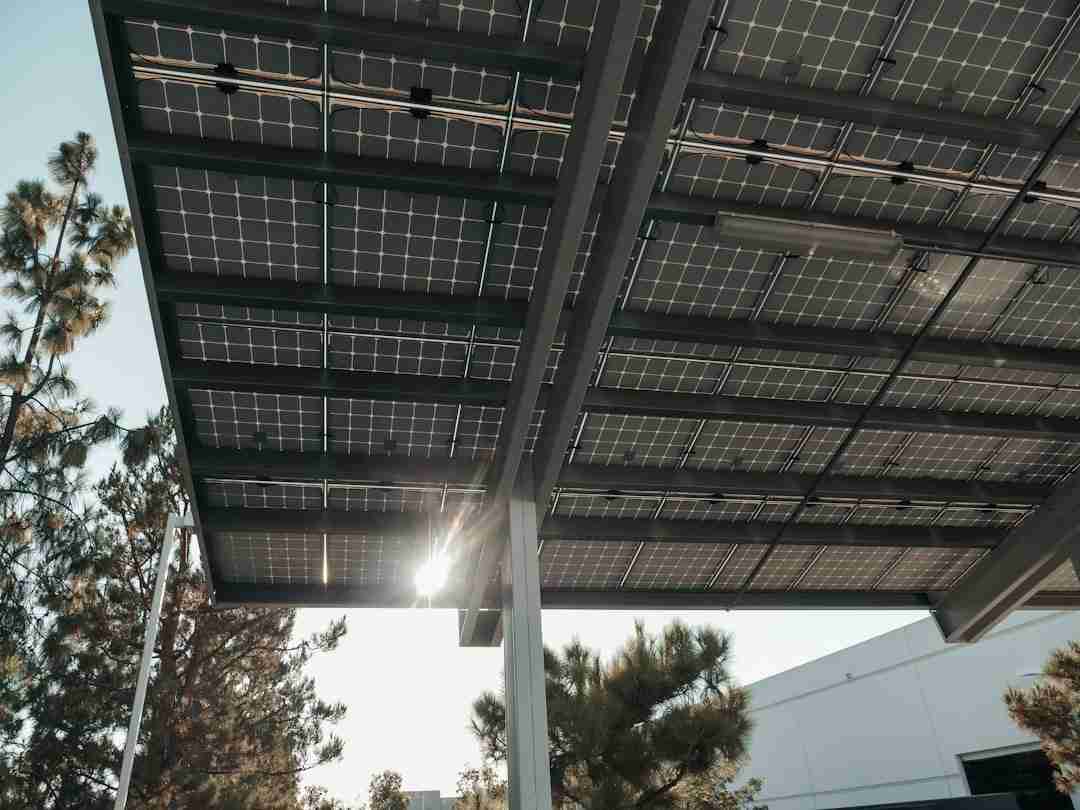
Imagine waking up to the glow of the morning sun filtering through the curtains of a cozy van, parked on the edge of a serene desert landscape. There's no need to worry about finding a charging station or running out of power for essential electronics. A solar-powered setup has made this dream a reality for many modern nomads. This significant shift towards sustainability not only reduces environmental impact but also transforms how nomads experience life on the road.
Solar Panel Costs and Installation: What You Need to Know
Switching to solar power involves some upfront investment, but the long-term benefits often outweigh initial costs. On average, a basic solar panel system for a van can range from $500 to $3,000, depending on the setup's wattage and complexity. A typical system might include solar panels, a charge controller, a battery bank, and an inverter. Many opt for flexible solar panels, which are lightweight and can be easily installed on curved surfaces.
Installation is another consideration. While some prefer to take the DIY route, others may hire professionals to ensure optimal efficiency and safety. For those going the DIY route, online resources and video tutorials provide step-by-step guidance. However, if electrical work seems daunting, professionals can install a system in about a day, with labor costs ranging from $500 to $1,000.
For those concerned about the environmental impact of manufacturing and disposing of solar panels, recycling programs are becoming more prevalent. Companies like First Solar and SunPower have initiated take-back programs to recycle old panels, ensuring that your contribution to sustainability continues beyond the panels' lifespan.
Practical Takeaway:
Consider your budget and technical skills before deciding on DIY installation versus hiring a professional. Weigh the costs with the potential savings and environmental benefits. Engage in recycling programs to extend the sustainability of your solar panels.
Energy Efficiency: Maximizing Solar Power Usage
Once the solar panels are installed, maximizing their efficiency is crucial. This involves both technical tweaks and lifestyle adjustments. Aligning the solar panels to capture the maximum sunlight is essential. This might mean repositioning the van throughout the day or using adjustable mounts for the panels.
Energy efficiency also extends to how power is used within the van. Opting for energy-efficient appliances can make a significant difference. For example, LED lights consume far less power than traditional bulbs, and a 12V refrigerator can be more efficient than a regular one. Many nomads also use power banks to store excess energy for cloudy days.
Another strategy for maximizing efficiency is implementing smart energy management systems. These systems monitor energy use and provide insights into consumption patterns, helping you optimize usage and reduce waste. Apps and devices are available that can alert you when energy usage is high or when solar panels need repositioning.
Practical Takeaway:
Invest in energy-efficient appliances and consider your daily power usage patterns to ensure you're making the most of your solar setup. Utilize smart energy management systems to track and optimize your energy consumption.
The Environmental Impact: Reducing Your Carbon Footprint
One of the primary motivations for switching to solar power is reducing environmental impact. Traditional generators rely on fossil fuels, contributing to pollution and greenhouse gas emissions. In contrast, solar power harnesses a renewable energy source, significantly reducing a nomad's carbon footprint.
According to a study by the National Renewable Energy Laboratory, solar power systems can reduce a household's carbon dioxide emissions by about 3,000 pounds annually. For nomads, this translates to a cleaner, greener lifestyle on the road.
In addition to reducing carbon emissions, solar power can help preserve natural landscapes. Without the need for frequent fuel stops or connections to grid power, nomads can minimize their ecological footprint on the environments they visit.
Practical Takeaway:
Switching to solar power isn't just about cost savings; it's a commitment to a more sustainable, environmentally friendly lifestyle. Consider the broader environmental benefits, including the preservation of natural landscapes.
Balancing Power Needs with Solar Limitations
While solar power offers many benefits, it's important to recognize its limitations. Weather conditions can significantly impact solar energy generation. On cloudy or rainy days, solar panels may not generate enough power to meet all needs. This is where battery storage becomes essential.
A well-sized battery bank ensures that energy collected during sunny days is stored for use during less sunny periods. Lithium-ion batteries are popular among van lifers for their efficiency and long lifespan, although they can be pricier than lead-acid alternatives.
To further mitigate the limitations of solar power, consider integrating energy-efficient habits into your daily routine. For instance, charging devices during peak sunlight hours or reducing energy-intensive activities during cloudy weather can help balance power needs.
Practical Takeaway:
Plan for energy storage to ensure a consistent power supply, even when the weather isn't optimal for solar energy generation. Adopt energy-efficient habits to better balance your power needs.
Alternative Energy Solutions: Generators and Wind Power
Solar power isn't the only renewable energy option for nomads. In some cases, combining solar with other energy sources can provide a more reliable power supply. Portable wind turbines, for example, can be a valuable addition in windy regions. These turbines are compact and can be easily set up alongside a van.
Generators are another option, though they rely on fossil fuels. Some nomads use generators as a backup power source when solar energy falls short. However, they may not align with the sustainable ethos that solar-powered travel promotes.
In areas where geothermal energy is accessible, such as near hot springs, nomads might explore the possibility of tapping into this energy source. While geothermal options are less portable, they can provide a reliable power boost during stationary periods.
Practical Takeaway:
Explore alternative energy solutions to complement solar power, ensuring a more reliable and sustainable energy supply. Consider the potential of wind and geothermal energy based on your travel destinations.
Real-Life Example: The Smiths' Journey to Solar-Powered Freedom
Take the Smith family as an example. They transitioned to a solar-powered van, motivated by a desire for sustainability and freedom from traditional energy sources. Their setup includes two 100-watt solar panels, a 300Ah lithium battery, and an inverter to power their essential electronics.
Before switching to solar, the Smiths relied heavily on campground electrical hookups, which limited their travel flexibility. Since the transition, they've enjoyed the freedom to explore remote locations without worrying about power sources. Their journey highlights not only the feasibility of solar power but also the enhanced quality of life it brings.
The Smiths found that their solar setup also encouraged them to adopt a minimalist lifestyle, focusing on essential electronics and reducing unnecessary consumption. This shift has allowed them to connect more deeply with nature and the landscapes they explore.
Practical Takeaway:
Real-world examples like the Smiths' demonstrate the tangible benefits of solar power, encouraging others to make the switch. Embrace the minimalist advantages that often accompany a solar-powered lifestyle.
Taking the First Steps Towards a Solar-Powered Lifestyle
Embarking on a solar-powered nomadic journey requires careful planning and consideration of various factors. Start by assessing energy needs and researching different solar setups. Tools like Renogy's solar calculator can help estimate the necessary components and costs.
Next, consider the available space on the van's roof for solar panels and the potential need for additional mounts or brackets. It's also wise to consult forums and communities, such as the Vanlife subreddit, where fellow travelers share insights and advice.
Attending van life meetups or expos can provide hands-on opportunities to see different solar setups and speak with experts and other nomads about their experiences. These gatherings often feature workshops and presentations on sustainable travel and renewable energy solutions.
Practical Takeaway:
Begin your solar journey with thorough research and community engagement to ensure a smooth transition to sustainable travel. Take advantage of meetups and expos for firsthand insights and guidance from experienced nomads.
Embracing a Sustainable Nomadic Lifestyle
A solar-powered van can truly transform the nomadic experience, offering both environmental benefits and newfound freedom. As more travelers embrace this sustainable lifestyle, the collective impact on the environment grows. Moreover, the ability to explore remote locations without sacrificing modern conveniences adds a new dimension to life on the road.
Whether you're a seasoned van lifer or just starting out, consider the long-term advantages of a solar-powered setup. It's more than just an investment in technology; it's an investment in a sustainable future.
Practical Takeaway:
Consider solar power as a viable, sustainable solution for a modern nomadic lifestyle, and take actionable steps to integrate it into your travel plans today.