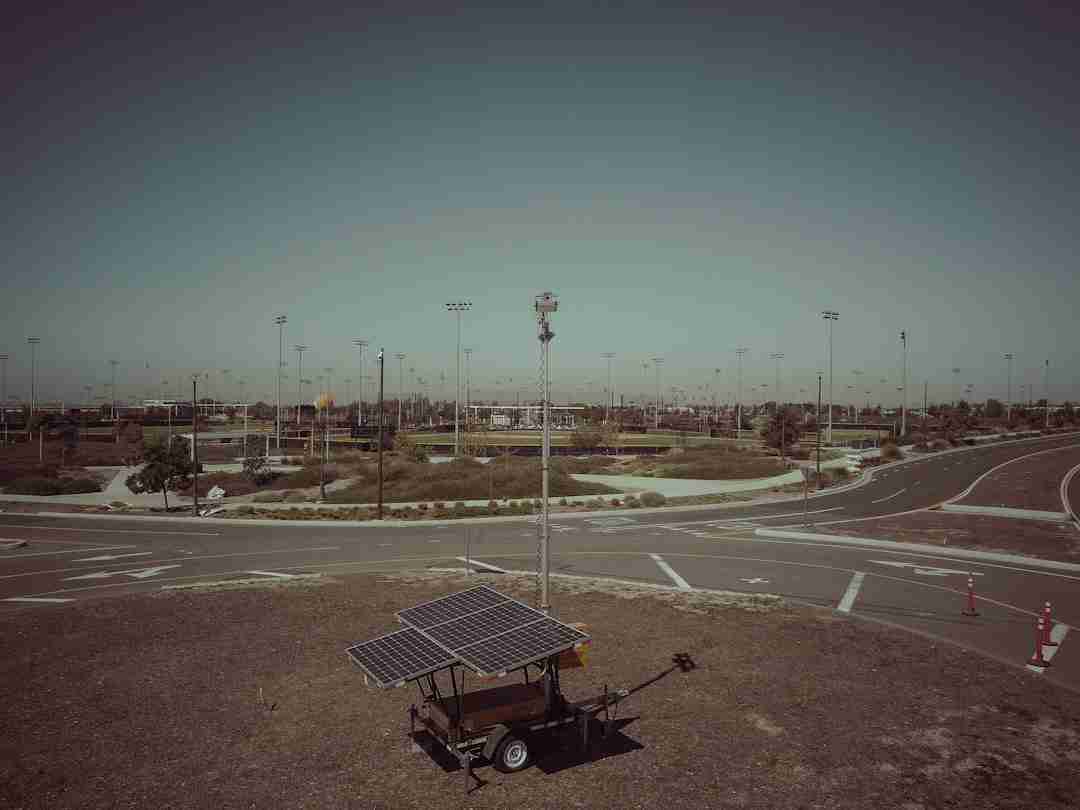
Imagine hitting the road with the freedom to explore without worrying about your gadgets running out of juice. Picture setting up camp in a remote location, surrounded by nature’s beauty, confident that your devices will stay powered. For those embracing the nomadic lifestyle, keeping batteries charged while traveling is crucial. Solar power offers an elegant solution, transforming the way modern nomads stay connected and powered up.
The Power and Flexibility of Portable Solar Panels
Portable solar panels have become a game-changer for those living a life on the move. These panels are lightweight, efficient, and easy to use, making them ideal for travelers. A popular choice among nomads is the Renogy 100 Watt 12 Volt Monocrystalline Solar Panel. Weighing around 16.5 pounds, it provides a balance between power output and portability. This panel can charge a laptop or a smartphone, ensuring you never miss an important message or deadline.
Here's how it works: Simply set up the panel in a sunny spot, connect it to your battery or device, and let it soak up the sun's rays. The best part? No need for complicated installations or technical know-how. Just unfold, plug in, and start charging. For vehicles, consider roof-mounted options like the HQST 100 Watt Polycrystalline Solar Panel, which offer a more permanent solution.
Exploring Different Types of Panels
When selecting a portable solar panel, understanding the differences between monocrystalline and polycrystalline panels is beneficial. Monocrystalline panels, like the Renogy model, are known for their higher efficiency and sleek design, making them a suitable choice for those with limited space. Polycrystalline panels, on the other hand, are generally more affordable and may be preferable for those who need a larger setup but are working with budget constraints. Evaluating your specific needs and conditions will guide you in choosing the right type of panel for your adventures.
Choosing the Right Solar Charger for Your Devices
Selecting a solar charger depends on your specific needs. Are you powering a smartphone, laptop, or even a small fridge? For lighter loads, a solar power bank like the Anker PowerCore Solar 20000 can be sufficient. It features a 20,000mAh capacity and can recharge devices multiple times. Plus, its compact size means it fits easily in a backpack.
For those needing more power, a foldable solar charger such as the BigBlue 3 USB Ports 28W Solar Charger is a solid choice. It provides multiple USB ports, allowing you to charge several devices simultaneously. However, remember that charging efficiency can vary based on weather conditions, so having a backup power bank is wise.
Adapting to Various Weather Conditions
Solar charging efficiency can be significantly impacted by weather conditions. Overcast skies or rainy days can reduce the energy harvested from the sun. In these situations, it’s crucial to optimize the orientation and angle of your solar panels to capture the maximum possible sunlight. Some nomads carry a small generator or an additional power source as a backup to ensure uninterrupted power supply during extended periods of unfavorable weather.
Understanding Solar Battery Storage Options
Solar panels are only part of the equation. To store energy for use when the sun isn’t shining, you'll need a reliable battery storage solution. The Jackery Explorer 1000 is a highly recommended option among travelers. With a 1002Wh capacity, it can power small appliances, electronics, and more.
When choosing a battery, consider the capacity and weight. Larger capacities mean more stored energy but also more weight. The Jackery Explorer weighs about 22 pounds, making it portable yet powerful. Another option is the Goal Zero Yeti 500X, offering 505Wh and weighing only 12.9 pounds. It’s perfect for those who need a balance between portability and power.
Exploring Battery Chemistry
Understanding the different types of battery chemistries is important for selecting the right storage option. Lithium-ion batteries are popular for their lightweight and high energy density, making them a common choice for portable power stations. Lead-acid batteries are another option, often used in larger, stationary setups due to their affordability and reliability. Assessing your priorities in terms of weight, cost, and longevity will help you choose the most suitable battery for your needs.
Setting Up an Efficient Solar Charging Station
Creating an efficient solar charging station involves more than just having the right equipment. Positioning is key. Place solar panels where they'll receive maximum sunlight exposure throughout the day. This might mean moving them periodically as the sun shifts. Use a portable stand to angle the panels directly at the sun, maximizing efficiency.
Keep connectors and cables organized and free of tangles to avoid unnecessary wear. Consider using a solar charge controller, like the Renogy Rover 40 Amp MPPT, to regulate the voltage and current coming from your panels. This ensures batteries are charged safely and efficiently, extending their lifespan.
Planning for Power Distribution
When setting up your solar charging station, planning how power will be distributed to your devices is essential. Consider using a power strip or junction box to manage multiple connections efficiently. This not only helps in organizing cables but also prevents overload on a single outlet. Prioritize which devices need constant power and which can be charged intermittently to optimize the use of your solar setup.
Understanding Costs: Investing in Solar Power
While solar power can save money in the long run, the initial investment can be significant. A basic setup, including a panel, battery, and necessary accessories, can range from $500 to $2,000. The Renogy 100 Watt Panel costs around $100, while the Jackery Explorer 1000 retails for approximately $1,000.
However, this investment often pays for itself over time. Many find the freedom from the grid and the ability to power their lifestyle anywhere worth the upfront costs. Plus, with no ongoing fuel costs, solar power is a sustainable choice for the environment and your wallet.
Leveraging Incentives and Rebates
Many regions offer incentives and rebates for those who invest in renewable energy solutions. Research local government programs that might subsidize part of your solar equipment costs. Although these incentives are more common for permanent installations, some mobile setups may qualify, particularly if they contribute to reducing carbon footprints.
Maintenance Tips for Longevity and Efficiency
Maintaining solar equipment is crucial for longevity and efficiency. Start by keeping panels clean. Dust, dirt, and bird droppings can significantly reduce their efficiency. A soft cloth and water can usually do the trick. Avoid harsh chemicals that might damage the surface.
Regularly check connections and cables for wear and tear. Replacing worn parts promptly can prevent further damage. For battery storage, ensure batteries are kept at optimal temperatures. Extreme heat or cold can affect performance and lifespan. If storing the battery for an extended period, charge it to about 50% capacity to maintain its health.
Seasonal Considerations for Maintenance
Different seasons bring unique challenges for solar panel maintenance. In autumn, falling leaves can accumulate on panels, while winter may introduce ice and snow buildup. Regular inspection and cleaning are necessary to maintain optimal performance. In colder climates, consider portable insulating covers to protect batteries from freezing temperatures, ensuring they remain functional throughout the year.
Solar Power for Safety and Convenience
Beyond keeping devices charged, solar power can enhance safety and convenience on the road. Solar-powered lights, such as the Luci Outdoor 2.0, offer reliable lighting without the need for batteries. These inflatable lanterns are lightweight, waterproof, and provide up to 24 hours of light on a single charge.
Solar cooking is another innovative use of this technology. Products like the GoSun Sport Solar Cooker can cook meals using only sunlight, perfect for those who want to minimize their reliance on traditional fuels. Imagine baking fresh bread or roasting vegetables while camping in the wilderness.
Integrating Solar Gadgets into Daily Life
Incorporating solar-powered gadgets into everyday activities can significantly enhance the nomadic lifestyle. Consider using solar-powered water purifiers or chargers for e-readers and cameras. These devices not only reduce dependence on conventional power sources but also promote a more sustainable and self-sufficient way of living, aligning perfectly with the ethos of exploration and minimalism.
Why Solar Power is the Future for Nomads
Solar power isn't just a trend; it's a shift towards sustainable living that aligns perfectly with nomadic principles. It offers independence from traditional power sources, reduces environmental footprint, and provides a reliable energy solution wherever the journey leads.
For those on the road, solar energy represents freedom and security. No more frantic searches for charging outlets or expensive campground fees for electricity. With the right setup, a nomad can power their life solely from the sun, enjoying a seamless blend of adventure and technology.
Embrace solar power, and let it transform your nomadic journey. By investing in a robust solar setup, you not only enhance your travel experience but also contribute to a cleaner planet. The sun isn’t just a source of light; it’s a gateway to endless opportunities.
By incorporating solar power into your nomadic lifestyle, you empower yourself with the freedom to explore without limits. Whether you're a seasoned traveler or just beginning your journey, the right solar setup can make all the difference. Start small, build your system, and watch as the sun powers your adventures, one ray at a time.