Imagine waking up in a new location every morning, greeted by the gentle hum of the wilderness and the warmth of sunlight streaming through your window. All this, without the worry of finding the nearest power outlet. That's the promise of living off the grid with solar power. For nomads, embracing solar energy isn't just about environmental consciousness—it's a practical solution for maintaining independence and flexibility on the road.
The Rise of Solar Panels: Portability Meets Power
Solar panels have transformed dramatically over the past decade. What used to be heavy, cumbersome equipment has evolved into lightweight, portable options ideal for life on the move. Consider the Renogy 100W 12V Monocrystalline Solar Panel, a popular choice among nomads. Weighing just over 14 pounds, it's easy to set up and provides enough power to keep essential devices running.
But here's the thing—choosing the right solar panel isn't just about weight. It's also about efficiency. Monocrystalline panels, like the Renogy model, are known for their high efficiency and performance in low-light conditions, which makes them perfect for those cloudy days on the road. The initial investment might seem substantial, with prices around $150, but the long-term savings on energy and the freedom it provides are worth every penny.
Choosing the Right Solar Panel Setup
When selecting a solar panel setup, consider your travel habits and energy needs. For instance, if you spend significant time in shaded areas, investing in panels with higher efficiency in partial sunlight becomes essential. Additionally, some travelers opt for solar kits that include multiple panels and mounting hardware, which can be adapted for larger vehicles or more extensive energy requirements. It's also wise to assess the ease of installation and portability, particularly if frequent relocation is part of your routine.
Battery Storage: The Key to Energy Independence
Solar panels alone aren't enough. Without a reliable battery storage system, all that captured energy would simply go to waste. Enter lithium-ion batteries, the unsung heroes of off-grid living. A solid choice is the Battle Born LiFePO4 Deep Cycle Battery, known for its longevity and reliability.
These batteries can power small appliances, charge devices, and even run a small fridge. They're an investment at about $900, but they last 10 years or more, making them cost-effective over time. And here's a tip: always pair your battery with a good charge controller to prevent overcharging and ensure safety.
Exploring Battery Options
Understanding battery options is crucial for customizing your solar solution. While lithium-ion batteries are popular, some nomads might find value in exploring alternatives like AGM or gel batteries, which can be more economical upfront. Each battery type has its pros and cons, such as weight, size, and maintenance requirements, so consider what aligns best with your energy consumption and maintenance capabilities.
Inverters: Turning Solar Energy into Usable Power
While solar panels collect energy, and batteries store it, inverters convert it into a form you can actually use. The Victron Energy Phoenix Inverter is a favorite for many nomads. It provides a pure sine wave output, which means it's compatible with sensitive electronics like laptops and cameras.
Inverters come in various capacities, so it's crucial to calculate your power needs before purchasing. For instance, running a laptop, phone, and small fridge might require an inverter with a capacity of at least 500 watts. Prices vary, but expect to spend around $300 for a quality inverter. This might seem like a lot upfront, but remember—it's a one-time investment for ongoing energy independence.
Customizing Your Inverter Setup
For those with diverse energy needs, customizing the inverter setup can enhance efficiency. Consider dual inverters if your energy demands fluctuate significantly between devices or if you plan to expand your solar system in the future. This approach can provide flexibility, allowing you to manage power distribution more effectively across different appliances.
Flexible Solar: Adapting to Any Environment
For those who value adaptability, flexible solar panels offer a unique advantage. Unlike rigid panels, flexible solar panels can conform to various surfaces, making them perfect for curved roofs on vans or RVs. The SunPower 110W Flexible Solar Panel is a standout option, offering high efficiency in a feather-light package.
These panels are slightly more expensive, averaging $300, but they offer unmatched versatility. They're particularly useful for nomads who frequently change their setup or need to maximize limited space. And don't worry about durability—modern flexible panels are built to withstand the elements, including hail and heavy wind.
Installation Tips for Flexible Panels
Installing flexible panels requires some special considerations. Ensure that the surface is clean and free of debris to optimize adhesion. Use appropriate mounting solutions, such as adhesive pads or custom brackets, to secure the panels without compromising the vehicle's structure. Regular checks for wear and tear, especially after long journeys, can prolong the panels' lifespan.
Balancing Cost and Efficiency
While solar power can significantly reduce reliance on traditional energy sources, it's essential to balance cost and efficiency. A complete solar setup, including panels, batteries, and an inverter, might cost between $1,500 and $3,000. Yet, the autonomy it affords is invaluable.
Calculating your energy needs is the first step. For instance, powering a laptop, phone, and LED lights might require around 200-300 watt-hours per day. With this information, you can determine the number of panels and battery capacity needed. Online calculators and energy audits can be helpful tools in this planning phase.
Maintenance and Upkeep: Keeping Systems Running Smoothly
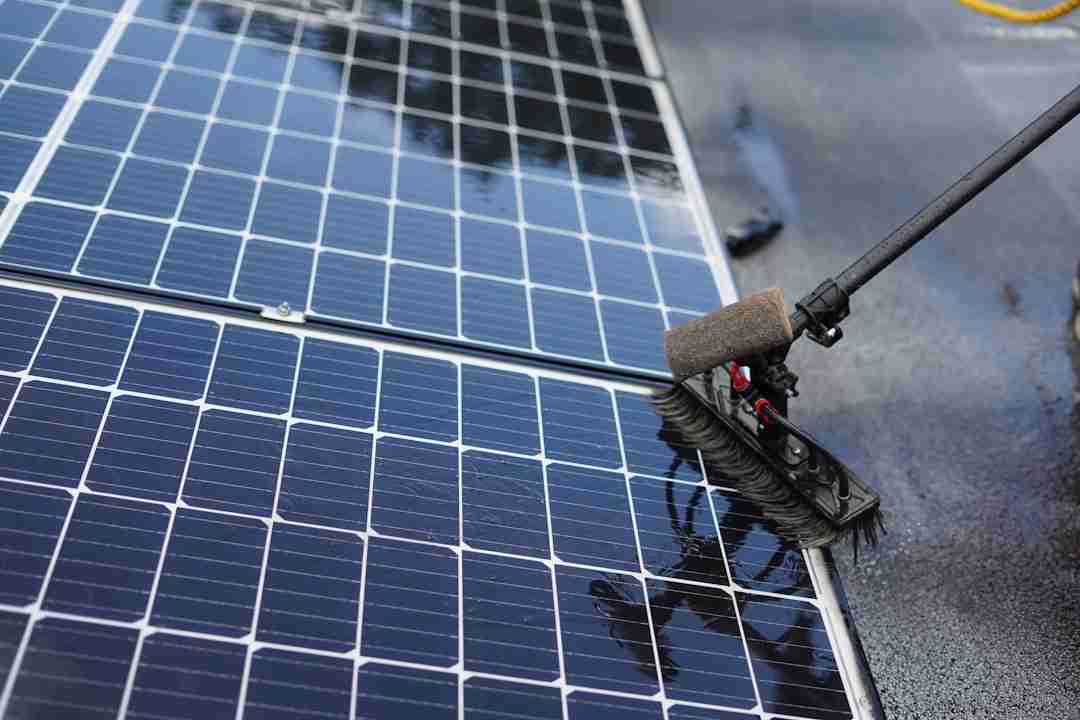
Solar systems are generally low-maintenance, but periodic checks can ensure optimal performance. Cleaning the panels regularly, especially after dusty travels, can increase efficiency by up to 20%. Inspecting connections and ensuring everything is securely mounted is also crucial, particularly after long drives.
Battery maintenance is equally important. Many find that lithium-ion batteries require less upkeep compared to lead-acid alternatives, but it's still wise to monitor charge levels and perform occasional resets.
Regular System Inspections
Setting a routine for system inspections can prevent minor issues from becoming significant problems. Develop a checklist that includes checking for corrosion, ensuring cables are intact, and verifying that all components are functioning as intended. This proactive approach can extend the lifespan of your solar setup and enhance its reliability.
Real-World Success: Stories from the Road
Take the case of Sarah, a digital nomad who travels in her converted van. She installed a 200W solar panel system with a 100Ah lithium battery and a 600W inverter. Her setup powers her work devices, lights, and even a small fan during hot nights. Importantly, she emphasizes the peace of mind that comes with knowing she won't run out of power, even when she's miles from the nearest town.
Or consider Jake, who lives in a tiny house on wheels. His solar setup cost about $2,500 but saves him roughly $100 monthly in energy costs. For Jake, the upfront cost was a small price to pay for the freedom and savings he enjoys.
Diverse Experiences and Lessons Learned
Hearing from a variety of individuals who have adopted solar can offer valuable insights. Some might highlight unexpected challenges, such as adapting to changing weather patterns, while others might share innovative ways to optimize energy consumption. Learning from these experiences can provide practical advice for those looking to refine their solar setups.
The Environmental Impact: Going Green on the Go
Embracing solar power not only supports a nomadic lifestyle but also aligns with sustainable living principles. Solar energy reduces reliance on fossil fuels and minimizes carbon footprints, a crucial consideration given the environmental challenges faced today. By choosing solar, nomads contribute to a cleaner planet, preserving the natural beauty they so often seek.
Engaging with Environmental Communities
Joining online forums and local communities focused on sustainable living can deepen your understanding of solar energy's environmental benefits. Engaging with like-minded individuals can also inspire new ideas and collaborations, enriching your journey toward sustainability.
Your Next Steps: Setting Up Your Solar System
Ready to harness solar power for your adventures? Start by assessing your energy needs. Consider what devices you use daily and their power consumption. Once you have a clear picture, explore solar panel options, keeping weight and efficiency in mind.
Invest in a reliable battery and inverter, and don't shy away from spending a bit more for quality. Reliable components ensure fewer headaches on the road. And remember, flexibility can be a game-changer—opt for flexible panels if your setup demands it.
Ultimately, the journey to living off the grid with solar power is as much about embracing independence as it is about sustainability. By making informed choices, you can enjoy the freedom to roam without sacrificing the comforts of modern life. Start planning today, and let the sun power your next adventure.