Imagine a life where the open road is your backyard, the sun your source of energy, and local markets your pantry. For many, the nomadic lifestyle represents freedom and adventure. But as the world becomes more conscious of its environmental footprint, how can one live sustainably while on the move? The reality is, crafting a greener life on the road isn't just possible—it's increasingly accessible. From harnessing solar power to sourcing food locally, sustainable nomadism is a vibrant way of life that's both rewarding and environmentally friendly.
Harnessing Solar Power: A Practical Guide to Mobile Energy
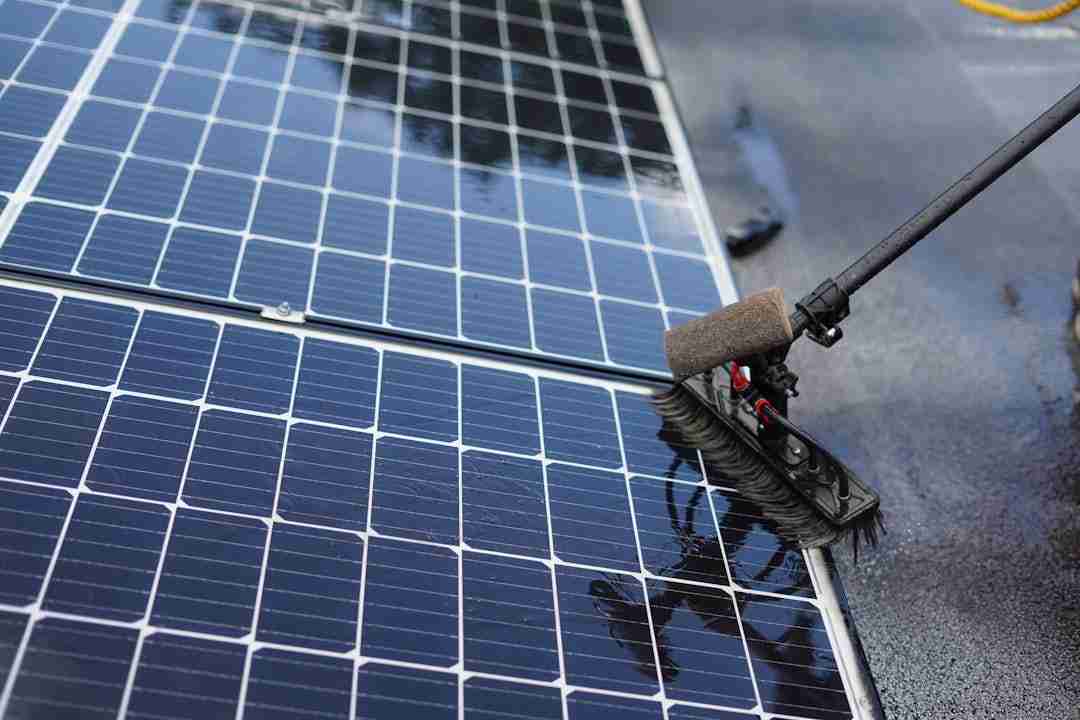
Solar panels have revolutionized life on the road, providing a clean and efficient energy source for digital nomads and van lifers alike. The initial investment might seem daunting, but the long-term benefits outweigh the upfront costs. A typical setup can range from $500 to $2,000, depending on your energy needs and the quality of the panels. Moreover, solar power systems have become more user-friendly and adaptable, allowing nomads to integrate them seamlessly into their mobile lifestyles.
Here's how you can set up your own solar power system:
-
Assess Your Energy Needs: Calculate the total wattage of all devices you'll power. This includes everything from laptops and phones to refrigerators and lights. Consider investing in a wattmeter to accurately track your energy consumption over time.
-
Choose the Right Panels: Consider the size of your vehicle and available space. Monocrystalline panels are efficient and compact, making them perfect for limited roof space. Flexible solar panels are another option, offering versatility in installation on curved surfaces.
-
Invest in a Quality Inverter: This device converts solar energy from DC to AC, which is necessary for most appliances. The Renogy 1000W Inverter is a popular choice for its reliability and compact design, ensuring it fits comfortably in tight spaces.
-
Install a Battery System: To store solar energy for use when the sun isn't shining, a good battery is essential. Lithium-ion batteries are recommended for their longevity and efficiency, with brands like Battle Born offering products specifically designed for mobile use.
-
Consider a Charge Controller: This device prevents batteries from overcharging and ensures your system runs smoothly. A Maximum Power Point Tracking (MPPT) charge controller can increase system efficiency by up to 30%.
The takeaway? Solar power not only reduces your carbon footprint but also offers independence from traditional power sources. Plus, with advances in technology, maintenance is minimal, allowing you to focus more on your travels and less on your energy supply.
Local Markets: Sourcing Fresh, Sustainable Food
Sourcing food sustainably on the road can be as rewarding as it is challenging. Local markets offer a treasure trove of fresh produce, unique ingredients, and a chance to support community farmers. While it might take some planning, the benefits are worth it. Engaging with local markets also allows you to experience the cultural and culinary diversity of each region, making every meal an opportunity for discovery.
Finding Markets on the Road:
- Apps and Websites: Use resources like LocalHarvest to find farmers' markets near you. Websites like Eat Well Guide can also help locate sustainable food options in various locations.
- Social Media and Community Boards: Platforms like Facebook often have groups dedicated to local markets and events. Instagram hashtags such as #farmersmarket can lead you to hidden gems.
- Ask Locals: Inquire at local cafes or shops about nearby markets. Conversations with locals can also provide insights into the best times to visit and special market days.
Shopping Tips:
- Bring Reusable Bags: Reduce plastic waste by carrying your own bags and containers. Mesh produce bags are lightweight and ideal for fruits and vegetables.
- Plan Your Meals: Knowing what you need helps avoid impulse buys and food waste. Create a flexible meal plan that allows you to incorporate seasonal and local ingredients.
- Buy Seasonal Produce: Not only is it fresher, but it's also often cheaper and more sustainable. Seasonal produce is typically grown locally, reducing the carbon footprint associated with transporting goods over long distances.
By frequenting local markets, you're not just sourcing fresh food. You're also connecting with communities, discovering regional specialties, and reducing your environmental impact by cutting down on packaged and shipped goods.
Water Conservation: Simple Ways to Reduce Usage
Water scarcity is a global issue, and nomads can be part of the solution by adopting conservation practices. Here are some practical steps to manage water usage effectively:
-
Use Water-Saving Devices: Install low-flow showerheads and faucet aerators to reduce water consumption without sacrificing comfort. These devices are easy to install and significantly lower your water usage.
-
Collect and Reuse Grey Water: This can be used for flushing toilets or watering plants, minimizing waste. Ensure that any grey water used for plants is free of harmful chemicals.
-
Mindful Dishwashing: Use minimal water when washing dishes. Try a spray bottle method to rinse soap efficiently. Another method is the two-basin system, where one basin is for washing and the other for rinsing.
-
Opt for Eco-Friendly Toilets: Composting toilets are a great alternative, using little to no water. They also eliminate the need for black water tanks, simplifying waste management.
By integrating these practices, you're actively contributing to water conservation efforts, ensuring that this precious resource is used wisely.
Waste Management: Keeping the Environment Clean
Managing waste responsibly is crucial for sustainable living on the road. Without proper systems, it's easy for waste to accumulate and impact the environment negatively. Here are some strategies to handle waste effectively:
-
Embrace Recycling: Set up a simple recycling system in your vehicle. Many campsites and rest areas offer recycling bins, so take advantage of them. Keep separate bins or bags for different materials to make recycling easier.
-
Reduce Plastic Use: Invest in reusable items such as water bottles, coffee cups, and storage containers. Stainless steel or glass options are durable and better for the environment.
-
Compost Organic Waste: A small compost bin can transform food scraps into valuable soil for local gardens or your own potted plants. Vermicomposting, which uses worms to break down food waste, is a compact option for mobile living.
-
Dispose of Waste Properly: Always use designated waste disposal areas, and never leave trash behind. Educate yourself on local recycling and disposal regulations to ensure compliance.
By committing to these practices, you help preserve natural landscapes and promote a cleaner environment for everyone to enjoy.
Eco-Friendly Transportation: Beyond the Traditional RV
The choice of vehicle plays a significant role in determining the sustainability of nomadic life. While traditional RVs are popular, they often have a significant carbon footprint. Here are some eco-friendlier alternatives:
-
Converted Vans: Smaller than RVs, vans like the Mercedes Sprinter offer more fuel efficiency and can be equipped with solar panels and energy-saving appliances. Consider also the Ford Transit or Dodge Promaster, which are popular for conversions due to their spacious interiors.
-
Electric Vehicles (EVs): As charging infrastructure improves, electric vans and trucks are becoming viable options for those wanting to minimize emissions. Brands like Rivian and Tesla are leading the way with electric models suitable for nomadic living.
-
Bicycles and E-Bikes: For short trips, consider using bicycles or e-bikes. They're not only environmentally friendly but also offer health benefits. Folding bikes can be easily stored in tight spaces, making them ideal for travel.
-
Public Transportation: When parked in urban areas, consider using buses or trains to reduce fuel consumption. Many cities offer visitor passes that provide unlimited travel over a set period, offering a cost-effective way to explore.
By choosing a greener mode of transportation, you're reducing your environmental impact and often saving money on fuel and maintenance.
Technology for Sustainable Living: Tools and Apps
Technology can play a significant role in supporting a sustainable lifestyle on the road. Several tools and apps can help manage resources and reduce environmental impact:
-
SolarEdge Monitoring: Monitor your solar panel performance in real-time to optimize energy use. This app provides detailed analytics, helping you make informed decisions about your energy consumption.
-
Google Maps: Use the "Eco-friendly route" feature to find paths with lower fuel consumption. This tool can also highlight bike paths and public transport options.
-
iOverlander: A community-driven app that provides information on campsites, water sources, and waste disposal locations. It also includes user reviews and tips, making it a valuable resource for travelers.
-
Too Good To Go: Find surplus food from local eateries at discounted prices, reducing food waste. This app connects consumers with restaurants and stores that have surplus, often at the end of the day.
With these tools, you're equipped to make informed decisions, optimize resource use, and discover new ways to live sustainably on the road.
Final Thoughts: Start Small and Make a Big Impact
Living sustainably on the road is a journey that doesn't require drastic changes overnight. Start with small, manageable steps—like installing a solar panel or visiting a local market—and build from there. Each decision, no matter how small, contributes to a larger impact on the environment. As you experiment with new practices, you'll find that sustainable living not only benefits the planet but also enriches your travel experience, connecting you more deeply with the world around you. So, why not take that first step today? Your greener life on the road awaits.