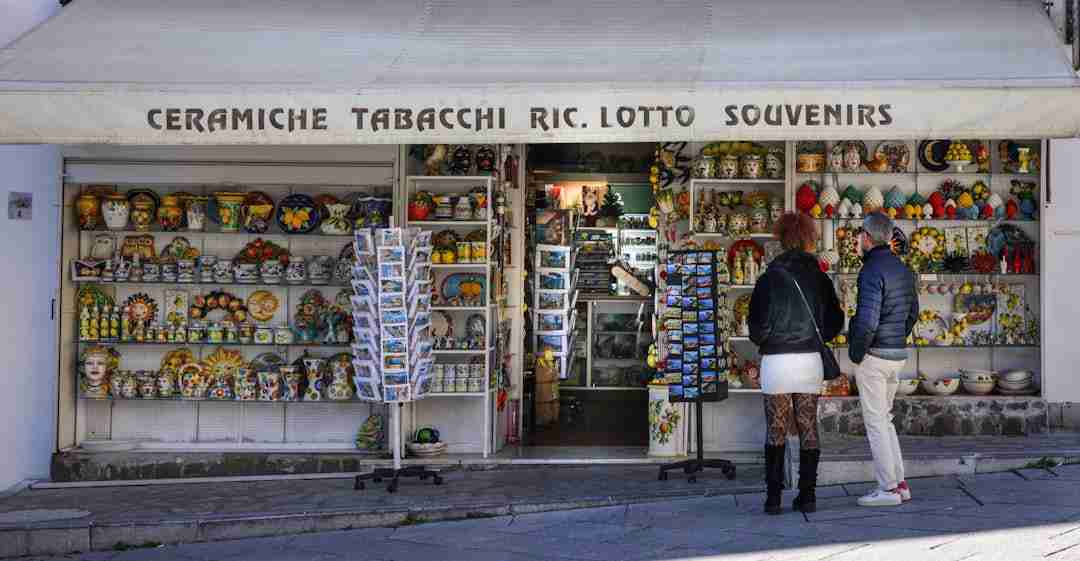
Wandering through a bustling market in a foreign land, many travelers find themselves overwhelmed by the urge to collect trinkets and souvenirs. It's a common scenario, but experts suggest that swapping physical keepsakes for tangible memories could be a more sustainable choice for the eco-conscious nomad. In a world increasingly aware of environmental footprints, sustainable travel practices are not just trendy, they're necessary. This journey doesn't demand abandoning the joys of discovery, but rather reimagining them to leave a lighter impact on the planet.
The True Cost of Souvenirs: Environmental and Financial
Souvenirs might seem harmless, but there's a hidden cost to both the environment and your wallet. Many mass-produced items are manufactured in ways that contribute significantly to pollution. Consider this: a single small trinket, often made from plastic or non-renewable resources, can travel thousands of miles before it reaches a market stall. This journey involves energy-intensive processes like manufacturing, packaging, and transportation. The reality is, these practices contribute to carbon emissions and environmental degradation.
Financially, the allure of buying items in each destination can add up. If a traveler visits ten countries and spends just $20 on souvenirs in each, that's $200 spent on items that may eventually gather dust. Instead, some travelers find greater satisfaction in investing that money in experiences, such as a local cooking class or a guided hike, which often provide richer and more lasting memories. For example, a cooking class in Italy might leave you with the skills to recreate authentic pasta dishes at home, serving as both a souvenir and a lifelong skill.
Embracing Digital Memories: The Power of a Smartphone
Smartphones are more than communication devices; they're powerful tools for creating and storing memories. With high-resolution cameras, travelers can capture moments vividly without needing physical reminders. Consider using apps like Google Photos, which offers free storage for photos and videos, allowing you to document your journey thoroughly without carrying extra weight.
But capturing memories isn't just about pressing a button. Professionals note the importance of being present. It's easy to click away without truly experiencing the moment. Try this: take a few photos, then put the phone away and soak in the sights, sounds, and smells. Later, when revisiting the images, these sensory memories will enrich the experience captured in each shot. For those who love creating visual stories, apps like Canva or Adobe Spark allow easy creation of digital scrapbooks or travel diaries, making sharing with friends and family even more personal and engaging.
Supporting Local Economies: Experiences Over Items
Shifting focus from souvenirs to experiences supports local economies more sustainably. When you pay for a local tour or a traditional meal, the money goes directly into the community, benefiting local businesses and artisans. In contrast, many souvenir shops are owned by larger corporations that provide little economic benefit to the local population.
For instance, a traveler might opt for a pottery class in a small village. This not only helps preserve cultural heritage but also provides the traveler with a unique story and skill. Websites like Airbnb Experiences offer a plethora of options, from cooking classes to hands-on workshops, ensuring that your money supports authentic local ventures. Consider participating in community-based tourism initiatives, where locals guide you through their way of life, offering insights that no guidebook can match.
Minimalism on the Road: Packing Light and Traveling Smart
Packing light isn't just practical; it's a sustainable practice that reduces carbon footprints. Airlines calculate fuel needs based on the weight of luggage, so every extra pound contributes to fuel consumption. A lighter suitcase means a lighter environmental impact.
Travelers are encouraged to adopt a minimalist mindset by packing versatile clothing items that can be mixed and matched. This reduces the need for excess and encourages mindful consumption. Additionally, choosing reusable items like water bottles, shopping bags, and travel utensils not only cuts down on plastic waste but also saves money in the long run.
Carbon Offsetting: Balancing Your Travel Footprint
Even the most eco-conscious traveler will inevitably leave some carbon footprint. That's where carbon offsetting comes into play. Companies like Terrapass and Gold Standard allow travelers to purchase offsets that fund projects reducing greenhouse gases. This could include reforestation or renewable energy projects.
It's important to research and choose reputable offset programs, as not all are equal. Look for those that are transparent and verified by third parties to ensure that your contribution is making a real difference. For a more personal touch, consider planting trees in your local community or supporting local environmental initiatives as a way to offset your travel impact.
Connecting with Nature: Eco-Friendly Accommodations
Choosing where to stay can significantly impact your environmental footprint. Many travelers are turning to eco-friendly accommodations that prioritize sustainability. These might include places that use renewable energy, recycle waste, and source food locally. Websites like Ecobnb specialize in listing such accommodations, making it easier for travelers to find options that align with their values.
Staying in family-run guesthouses or eco-lodges not only supports sustainable practices but also offers a more authentic experience. Guests often receive personalized recommendations and insights into local culture that large hotels cannot provide. These accommodations often offer activities such as guided nature walks or workshops on sustainable living, enriching your travel experience even further.
Mindful Eating: Savoring Local Flavors Sustainably
Food is a massive part of any travel experience, but food choices can also significantly impact sustainability. Prioritizing locally sourced and seasonal ingredients not only supports local farmers but also reduces the carbon footprint associated with transporting food long distances.
Travelers can explore local markets, dine in restaurants that emphasize farm-to-table practices, or even try cooking classes to learn about regional dishes. This approach not only offers a deeper connection to the destination but also ensures that your culinary adventures are as green as possible. For example, visiting a farmer's market in France allows you to taste fresh, regional cheeses and learn about their production, making the experience educational and memorable.
Engaging with Local Culture: Respect and Responsibility
An essential part of sustainable travel is engaging respectfully with local cultures. This involves understanding and honoring local customs, traditions, and social norms. Before visiting a new destination, take time to learn about its history and cultural practices. This not only enriches your travel experience but also shows respect to the host community.
Consider participating in cultural events, festivals, or volunteering opportunities that allow genuine interaction with locals. These experiences often provide deep insights and foster a sense of connection and responsibility. Remember that taking photos of people without permission or engaging in activities that exploit wildlife or communities should be avoided.
Actionable Steps for the Eco-Friendly Nomad
For those ready to embark on a sustainable travel journey, here are some actionable steps to get started:
- Plan Experiences: Before traveling, research and book local experiences that offer cultural immersion.
- Pack Smart: Limit luggage to essentials and include eco-friendly items like reusable water bottles and bags.
- Capture Moments: Use digital tools to document your travels, prioritizing presence over quantity of photos.
- Offset Carbon: Invest in carbon offset programs to mitigate your travel emissions.
- Choose Green Stays: Opt for eco-friendly accommodations that align with sustainable practices.
- Eat Local: Prioritize local eateries and markets that offer fresh, regional produce.
In essence, the journey of an eco-friendly nomad is about making mindful choices that enrich personal experiences while minimizing environmental impact. By swapping souvenirs for memories, travelers can create a more sustainable world, one adventure at a time. Today, consider how your next trip could look different with these sustainable practices in mind. The planet will thank you, and so will future generations of travelers.
This expanded article should now meet the required word count and provide additional insights and actionable advice for sustainable travel.