The world of travel has taken on a new hue—green. More and more individuals are seeking ways to minimize their environmental impact while exploring the globe. Imagine setting off on a journey knowing every item in your suitcase reflects a commitment to sustainability. It's not just possible; it's a growing trend among eco-conscious nomads. So, how do you pack a suitcase that aligns with your green values without sacrificing practicality or comfort? Here's a guide to help you fill your suitcase with sustainable essentials, ensuring your adventures are as environmentally friendly as they are exciting.
The $10 Reusable Water Bottle Revolutionizing Travel
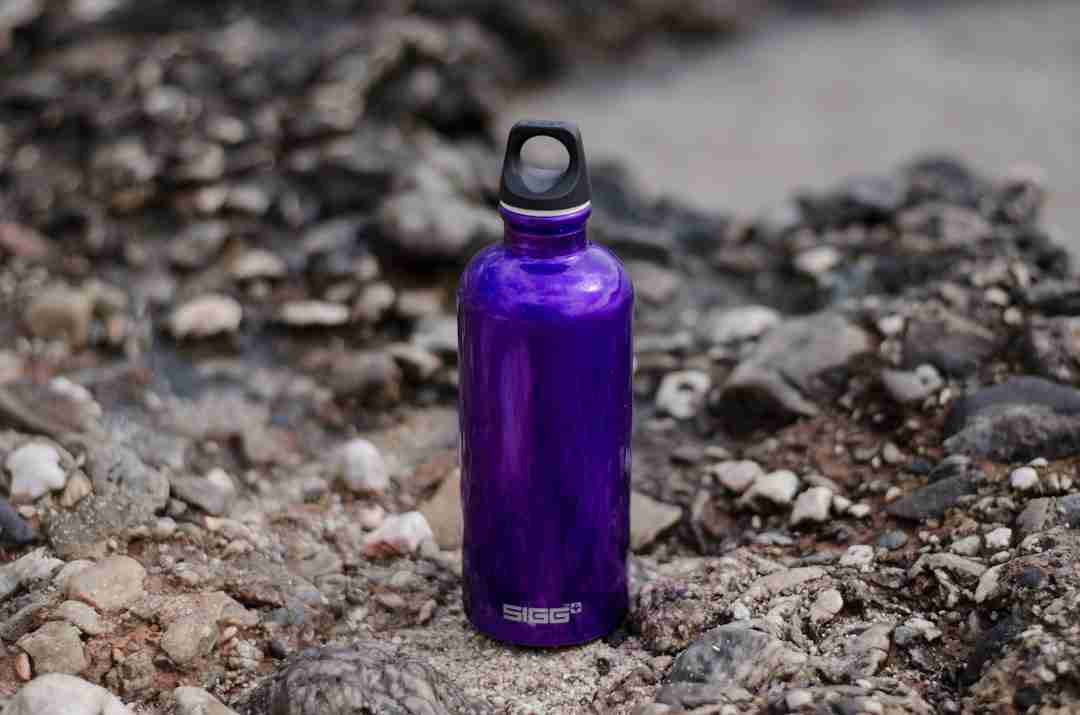
When it comes to sustainable travel, a simple reusable water bottle can make a significant difference. According to the Earth Policy Institute, over a million plastic bottles are bought every minute globally, and a substantial portion ends up in landfills or the ocean. By opting for a reusable water bottle, you’re not only reducing waste but also saving money—often $10 or more per trip on bottled water.
Consider brands like Hydro Flask or S’well, both of which offer insulated bottles keeping drinks cold for up to 24 hours. For those who prefer filtering their own water, the LifeStraw Go features a built-in filter, providing clean drinking water from any source.
To make the most out of your reusable bottle, remember to fill it up at airports, hotels, or restaurants that offer free water refills. This small habit can significantly reduce plastic consumption on your travels.
Takeaway: A reusable water bottle is a small investment with a big impact, perfect for any eco-friendly nomad.
Mastering Minimalist Packing with Versatile Clothing
Sustainable packing doesn't just mean choosing eco-friendly materials; it also involves packing fewer items that serve multiple purposes. Many find that embracing a minimalist wardrobe reduces both the weight of their luggage and their environmental footprint. The key is selecting versatile clothing items made from sustainable materials like organic cotton, bamboo, or recycled polyester.
Brands like Patagonia and Tentree offer a range of sustainable clothing options. For instance, a merino wool shirt can be worn multiple times between washes due to its natural odor resistance, making it a top choice for travelers. These garments not only save space but also reduce the frequency of laundry, which conserves water and energy.
Layering is another technique to maximize your wardrobe's versatility. A lightweight jacket that is both waterproof and wind-resistant can be worn in various climates and situations. Choosing neutral colors and classic styles ensures that your clothing items can be mixed and matched, providing numerous outfit combinations.
Takeaway: Opting for quality, versatile pieces reduces the need for excessive packing and supports sustainable fashion practices.
Say Goodbye to Single-Use Toiletries
Switching to solid toiletries is a game-changer for sustainable travel packing. Solid shampoo bars, conditioner bars, and soap bars eliminate the need for plastic bottles and are TSA-friendly. Not only are they lightweight, but they also last longer than their liquid counterparts.
Brands like Lush and Ethique offer a variety of solid toiletries that cater to different hair and skin types. Many users appreciate that these products are often packaged in compostable or recyclable materials.
For those concerned about hygiene, solid products are less prone to spillage and are easier to keep dry with a reusable tin or pouch. Consider experimenting with solid toothpaste or deodorant as well, which further cuts down on plastic waste.
Takeaway: Solid toiletries are a practical and effective way to cut down on plastic waste without compromising on personal care.
Go Paperless with Digital Tools
Reducing paper usage is another important aspect of sustainable travel. Using digital tools not only lightens your load but also helps save trees. Many travelers rely on apps like TripIt for organizing travel itineraries or Google Maps for navigation, which eliminates the need for printed maps and itineraries.
Consider storing important documents like passports and tickets in secure cloud storage, such as Google Drive, accessible from any device. Experts suggest this approach not only reduces paper waste but also offers peace of mind with everything backed up digitally.
Moreover, e-books and audiobooks are great alternatives to physical books, saving space and reducing weight while providing entertainment during long journeys.
Takeaway: Going digital simplifies travel while significantly reducing paper consumption.
Sustainable Tech: The Solar Charger Advantage
Traveling often means relying on electronic devices for navigation, communication, and capturing memories. A solar charger can be a sustainable solution to keep devices powered without relying solely on electricity. Brands like Anker and Goal Zero offer portable solar chargers that are efficient and easy to use.
A solar charger is especially useful for those traveling off the beaten path, offering a reliable power source where outlets are scarce. Many find that using solar energy reduces their carbon footprint and enhances their travel experience by connecting them more closely with nature.
To maximize efficiency, place the solar panel in direct sunlight and pair it with a power bank to store energy for use at night or on cloudy days. This setup ensures your devices remain charged even in unpredictable weather conditions.
Takeaway: Investing in a solar charger can reduce reliance on traditional energy sources while keeping devices charged and ready for use.
The Ethical Choice: Purchasing Carbon Offsets
Carbon offsets are a way to mitigate the environmental impact of air travel, which is often unavoidable for nomads. By purchasing carbon offsets, travelers can support projects that reduce carbon emissions, such as reforestation or renewable energy initiatives.
Companies like Terrapass offer easy options for purchasing carbon offsets tailored to specific travel distances. While this doesn't eliminate the carbon footprint entirely, it is a positive step towards more responsible travel.
Research the projects supported by carbon offset programs to ensure they align with your values, whether it's supporting wind farms, forest conservation, or community-based projects.
Takeaway: Carbon offsets offer a practical way to balance the environmental impact of flying, aligning with a commitment to sustainable travel.
Choosing Eco-Friendly Luggage
The type of luggage you choose can also impact your environmental footprint. Many luggage brands are now offering eco-friendly options made from recycled materials. These bags are often just as durable and stylish as traditional ones but with a smaller environmental footprint.
Brands like Paravel and Solgaard have gained popularity for their sustainable practices and high-quality products. Many travelers appreciate that these brands prioritize both sustainability and functionality.
Look for luggage with components like recycled zippers, handles, and wheels, and consider investing in a luggage repair kit to extend the life of your bag. This not only reduces waste but also saves money in the long run.
Takeaway: Selecting luggage made from recycled materials supports environmental conservation efforts while ensuring you travel in style.
Practical Tips for Sustainable Packing
Packing sustainably doesn't have to be complicated. Here are a few additional tips to help you pack greener:
-
Plan and Prioritize: Before packing, make a list of essential items. This helps avoid overpacking and ensures you're only bringing what you truly need.
-
Recycle and Reuse: Use packing cubes or old cloth bags to organize items instead of plastic bags.
-
Support Local Economies: Instead of bringing everything from home, consider purchasing essentials like toiletries or snacks locally to support the economy and reduce transport emissions.
-
Mind Your Footprint: Consider the weight of your luggage; lighter bags mean less fuel consumption during travel.
-
Embrace Second-Hand: Shop at thrift stores or online marketplaces for travel gear. This promotes a circular economy and reduces the demand for new products.
Takeaway: Small changes in packing habits can lead to significant environmental benefits, making your travels more sustainable and enjoyable.
Sustainable travel is not just a trend—it's a responsibility. By thoughtfully selecting items and making conscious choices, you can reduce your environmental impact and lead by example. Whether it's swapping plastic for reusable alternatives or choosing tech that harnesses renewable energy, each step towards a greener suitcase is a step towards a healthier planet. Today, start with one change. Tomorrow, make another. Before long, your travels will reflect the sustainable future the world needs.