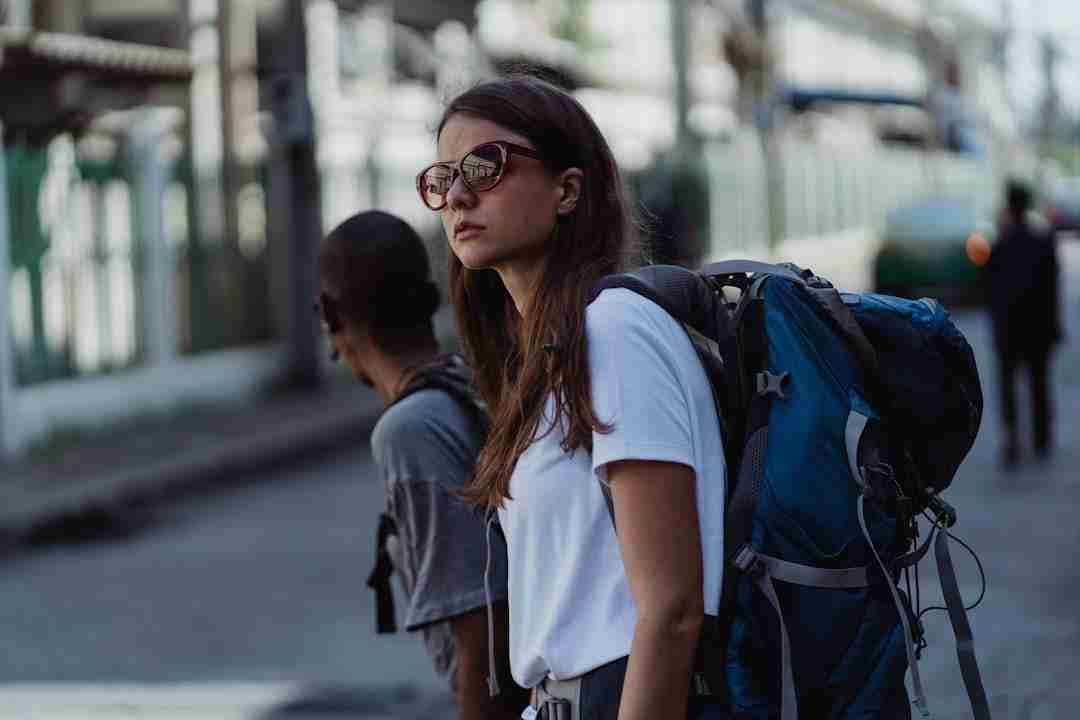
Imagine stepping off a plane with nothing but a backpack, feeling the thrill of the unknown with every step. Yet, instead of feeling overwhelmed, there's a sense of calm. Everything needed for the journey is neatly packed and ready. This is the essence of living lightly, a way of life for many modern nomads who find freedom and sustainability on the road by embracing a minimalist wardrobe.
Essentials First: The Power of Versatile Clothing
Creating a minimalist wardrobe begins with focusing on versatile pieces. Many find that packing items that can be mixed and matched is the key to maintaining style without excess. A simple rule of thumb is the 3-to-1 ratio: for every three tops, have one bottom that complements all. This ensures maximum outfit combinations with minimal clothing.
Consider investing in quality basics that serve multiple purposes. A plain white t-shirt, for instance, can be dressed up or down, worn under a blazer for a meeting or paired with shorts for a casual day out. Brands like Uniqlo offer high-quality basics that are both affordable and durable. Beyond the white tee, think about incorporating a classic button-down shirt and a neutral sweater for layering. These items can be worn alone or together, providing warmth and style as needed.
Practical takeaway: Start by selecting five tops and two bottoms that can effortlessly be interchanged. This forms the core of a travel wardrobe. Consider adding a versatile dress or a casual jumpsuit for additional options without substantial bulk.
The Weight Factor: Choosing Light and Packable Fabrics
When living out of a backpack, the weight of clothing becomes a crucial consideration. Opting for lightweight and packable fabrics not only saves space but also reduces the physical burden of carrying too much. Fabrics like merino wool and technical synthetics are recommended by professionals for their ability to be both lightweight and quick-drying.
Merino wool, for instance, is naturally odor-resistant and can be worn multiple times between washes, which is a significant advantage on long trips. It also regulates temperature well, keeping you warm in colder climates and cool when it's hot. Companies like Icebreaker specialize in merino wool products that are perfect for the sustainable nomad. Additionally, consider fabrics like Tencel and bamboo, which are not only lightweight but also eco-friendly and breathable.
Practical takeaway: Prioritize clothes made from merino wool or similar fabrics and pack them in compression bags to maximize space. Consider including a lightweight rain jacket that packs into its own pocket for unpredictable weather.
Footwear: The Three-Pair Strategy
Footwear can be one of the bulkiest items in a travel wardrobe. Experts suggest limiting your selection to three pairs: one for walking or hiking, one for casual wear, and one for formal or evening events. This covers virtually every scenario a nomad might encounter, without overpacking.
For walking, a durable pair of sneakers or hiking boots is essential. Allbirds offers sustainable and comfortable options made from natural materials. For casual wear, consider slip-ons or sandals that are easy to pack. A pair of lightweight, dressy shoes can round out the collection for formal occasions. Ensure that each pair serves multiple functions; for instance, sneakers that are stylish enough for a night out or sandals suitable for a beach and a casual dinner.
Practical takeaway: Stick to three pairs of shoes to ensure functionality while keeping luggage light. Look for shoes that can be compressed slightly to save space in your backpack.
A Splash of Style: Adding Accessories Without Bulk
Accessories provide a way to express personal style without adding significant weight. Scarves, hats, and jewelry can transform an outfit from day to night. The key is to choose items that are both functional and fashionable.
A scarf, for instance, can double as a blanket on a chilly flight or a head covering in conservative regions. Jewelry can be small but impactful, adding elegance without taking up much space. Even a versatile hat can protect from the sun and add flair to an outfit. Consider a lightweight belt that can be used both functionally with pants and decoratively with dresses.
Practical takeaway: Select a few multifunctional accessories that can enhance outfits without adding bulk. Choose neutral or coordinating colors to ensure they match multiple outfits.
Laundry on the Go: Keeping Clothes Fresh
Keeping clothes clean while traveling is often a concern. The reality is that laundry can be straightforward with a few smart strategies. Many hostels and Airbnb accommodations offer laundry facilities. But for those times when these aren't available, a portable laundry kit can be a lifesaver.
Products like the Scrubba Wash Bag allow travelers to wash clothes anywhere with minimal water. Additionally, carrying a small bottle of biodegradable detergent ensures that washing clothes is both effective and environmentally friendly. For quick drying, consider packing a travel clothesline, which can be easily attached between two points in a hotel room or outside.
Practical takeaway: Invest in a portable laundry solution to keep your wardrobe fresh and reduce the need for excessive clothing. Look for quick-drying fabrics to minimize drying time and avoid carrying wet items.
Sustainability: Choosing Eco-Friendly Brands
Living lightly isn't just about the number of clothes; it's also about their impact on the planet. Many travelers are turning towards eco-friendly brands that prioritize sustainability in their manufacturing processes. These brands use organic materials, reduce waste, and often have programs to recycle old clothing.
Brands like Patagonia and Eileen Fisher are leaders in sustainable fashion, offering products that are both durable and environmentally conscious. Choosing such brands contributes to a positive environmental impact while ensuring the clothing lasts longer. Look for certifications like Fair Trade or B Corp to gauge a brand’s commitment to ethical practices.
Practical takeaway: Support brands that prioritize sustainability to make your travel wardrobe eco-friendly. Consider purchasing second-hand apparel, which further reduces your environmental impact while often being more affordable.
The Minimalist Mindset: Embracing Less is More
Ultimately, the minimalist wardrobe is as much about mindset as it is about clothing. Many find that by focusing on what truly matters, the clutter of excess becomes unnecessary. This mindset extends beyond clothing, influencing other aspects of life on the road.
The minimalist approach encourages mindful consumption and a focus on experiences over possessions. It fosters a greater appreciation for the journey itself, allowing travelers to immerse themselves fully in their adventures without the distraction of material concerns. Consider maintaining a journal to document experiences and reflections, which can be more meaningful than souvenirs.
Practical takeaway: Adopt a minimalist mindset to enhance your travel experience and prioritize meaningful experiences over material possessions. Regularly evaluate your belongings to ensure they continue to serve a purpose in your travels.
In conclusion, building a minimalist wardrobe for life on the road is both an art and a science—a balance of practicality, style, and sustainability. By focusing on versatile, lightweight clothing, limiting footwear, and choosing eco-friendly brands, travelers can enjoy the freedom of a well-curated wardrobe. Embracing this minimalist approach not only makes travel easier but also more rewarding, allowing for a deeper connection with the world and a lighter footprint on the planet. So, take the first step today. Evaluate your current wardrobe, identify what's truly necessary, and start crafting a collection that supports your nomadic lifestyle.