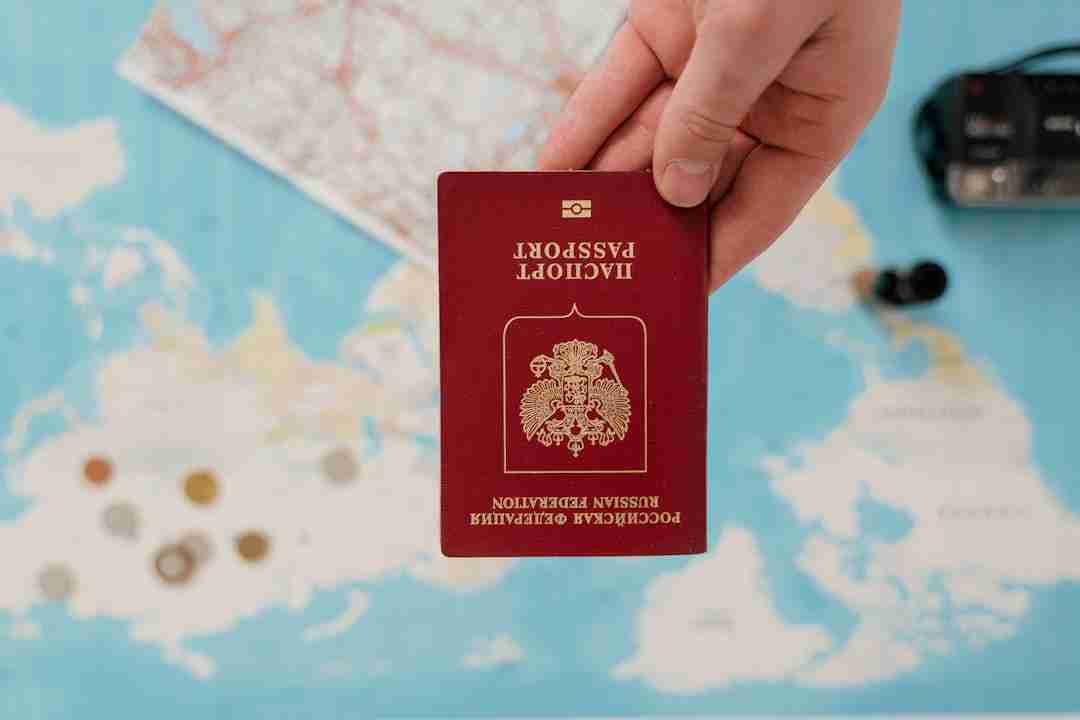
Imagine standing at the bustling immigration counter of a foreign airport, your heart racing as you watch the officer flip through your passport. You've planned every detail of your long-term journey, but one small oversight—a missing visa or an unexpected fee—threatens to derail your adventure. Navigating the complexities of visa requirements can feel like a daunting puzzle, yet understanding this crucial aspect of travel planning can save you from costly surprises.
Why Visa Research Should Be Your First Priority
Before booking flights or accommodation, it’s imperative to understand the visa requirements for each destination on your itinerary. Visa rules can vary dramatically, with some countries offering visa-free travel, others requiring visas upon arrival, and many demanding that you apply in advance. This isn't always straightforward. For example, while U.S. citizens can travel to Japan without a visa for up to 90 days, they must obtain an e-visa to visit Australia. Failing to secure the correct visa can lead to denied entry and wasted travel plans.
Start by consulting the official government websites of the countries you plan to visit. These will provide the most accurate and up-to-date information. Consider bookmarking resources like the U.S. Department of State or UK Foreign Travel Advice for reliable guidance. And don't forget to pay attention to the required validity period of your passport; many countries require it to be valid for at least six months beyond your intended stay.
For travelers with complex itineraries spanning multiple countries, organizing visa requirements can become a project in itself. Creating a spreadsheet to track each country's requirements, application deadlines, and associated fees can help manage this process. Travel forums and expat communities, such as those on TripAdvisor or Reddit, can also offer firsthand experiences and advice that might not be available in official resources.
The Hidden Costs of Visa Applications
Visa applications often come with unexpected fees that can add up, especially if you're planning a multi-country trip. For example, a tourist visa to India costs approximately $25 for a 30-day e-visa, while a Schengen visa for travel within Europe can cost around €80. These fees can vary based on the applicant's nationality and the processing speed chosen.
But here's the kicker: some countries impose reciprocity fees, which are additional charges for travelers from certain countries in response to similar fees imposed on their own citizens. For instance, Argentine customs once charged U.S. citizens a reciprocity fee until it was suspended in 2016. Always budget for these expenses and check if expedited processing is available or necessary, which often comes at a premium cost.
Moreover, some countries may require additional fees for services such as biometric data collection or mandatory travel insurance, further increasing the cost. It's prudent to check if these services are included in the visa fee or require separate payment. Using a budgeting tool like You Need a Budget can help track and plan for these expenses, ensuring they don't catch you off guard.
Understanding Visa Processing Times
Visa processing times are another critical factor in travel planning. They can range from instant approval for e-visas to several weeks for traditional visas. Many find that applying too late results in unnecessary stress or even trip cancellations. For example, a standard U.K. visitor visa can take up to three weeks to process, while a Chinese visa might require at least four business days.
To avoid last-minute panics, create a timeline for each visa application. Experts suggest starting the application process at least three months before departure for countries with lengthy processing times. Use tools like Google Calendar to set reminders for deadlines and important dates.
Additionally, consider potential delays due to holidays or high travel seasons, which can extend processing times. If your travel dates coincide with busy periods, applying even earlier can help safeguard against these delays. Keep in mind that some countries offer expedited processing for an additional fee, which can be a lifesaver if time is running short.
Navigating Multiple Entry and Long-Stay Visas
If your travels involve hopping between several countries or an extended stay, you might need a multi-entry or long-stay visa. These visas allow you to enter and exit a country multiple times or stay for an extended period without renewing your visa. The Schengen visa, for instance, permits travel to 26 European countries with multiple entries over 90 days within a 180-day period.
However, applying for these visas can be more complex. They often require more documentation, such as proof of financial means, travel insurance, and sometimes even a detailed travel itinerary. Professionals note that ensuring all paperwork is meticulously prepared can significantly improve your chances of approval. Always check the specific requirements for each type of visa and tailor your application accordingly.
For long-term travelers, understanding the terms and limitations of long-stay visas is essential. Some countries may require periodic check-ins with local immigration offices or mandate the registration of your address. Familiarizing yourself with these conditions can prevent potential legal issues during your stay.
How Digital Nomads Can Benefit from Special Visas
In recent years, many countries have introduced special visas for digital nomads, allowing remote workers to live and work abroad legally. This is a game-changer for those looking to settle in a foreign country for work purposes while enjoying a new culture. Countries like Estonia and Barbados offer such visas, typically lasting from six months to a year.
These visas usually require proof of employment, a minimum income threshold, and sometimes health insurance. For instance, Estonia’s digital nomad visa requires proof of a monthly income of at least €3,504. The benefits are substantial, offering the ability to work legally and access local services like banking. However, it's crucial to ensure that your planned work activities are compliant with the visa's terms to avoid any legal issues.
When applying for a digital nomad visa, consider the cost of living in the host country and how it fits into your budget. Some countries may offer a lower cost of living, allowing for a more comfortable lifestyle on a remote worker's salary. Researching local expat communities can provide insights into the practical aspects of living and working in your chosen destination.
When Visa Rules Change Unexpectedly
Visa regulations can change with little notice, often due to political shifts or diplomatic relations. This unpredictability is one reason why staying informed is essential. For example, Brexit led to significant changes in how U.K. citizens can travel and work in Europe, affecting visa requirements and durations.
To stay ahead, regularly check the official travel advisories of both your home country and your destination. Subscribing to travel alert services can provide timely updates on any changes. It's also wise to have a backup plan, such as a secondary destination with easier entry requirements, should your original plans fall through.
In some cases, travel insurance that covers visa-related disruptions can be a worthwhile investment. This can offer peace of mind and financial protection if sudden changes force you to alter your plans. Engaging with travel advisors or immigration specialists can also provide personalized advice, particularly for complex scenarios involving multiple visa applications.
Practical Steps to Avoid Visa Pitfalls
Here's a straightforward approach to managing your visa needs effectively:
-
Research Early: Begin by identifying the visa requirements for each country on your itinerary. Use official government websites for the most accurate information.
-
Budget for Fees: Include visa application and potential reciprocity fees in your travel budget. Consider using a budgeting tool like You Need a Budget to track these expenses.
-
Plan for Processing Times: Allow ample time for visa processing by setting reminders for application deadlines. Apply as early as possible to avoid delays.
-
Prepare Documentation: Gather all necessary documents before starting your application. This might include financial statements, travel itineraries, and accommodation bookings.
-
Stay Informed: Keep up-to-date with any changes in visa regulations by subscribing to updates from reliable sources and checking travel advisories regularly.
By following these steps, travelers can minimize the risk of visa-related surprises and focus on enjoying the journey ahead.
In the world of long-term travel, visas are an unavoidable reality. But with thorough preparation and an awareness of potential pitfalls, navigating this complex landscape becomes much more manageable. Take action today by researching your next destination's visa requirements and ensuring all paperwork is in order. Safe travels await those who are prepared.