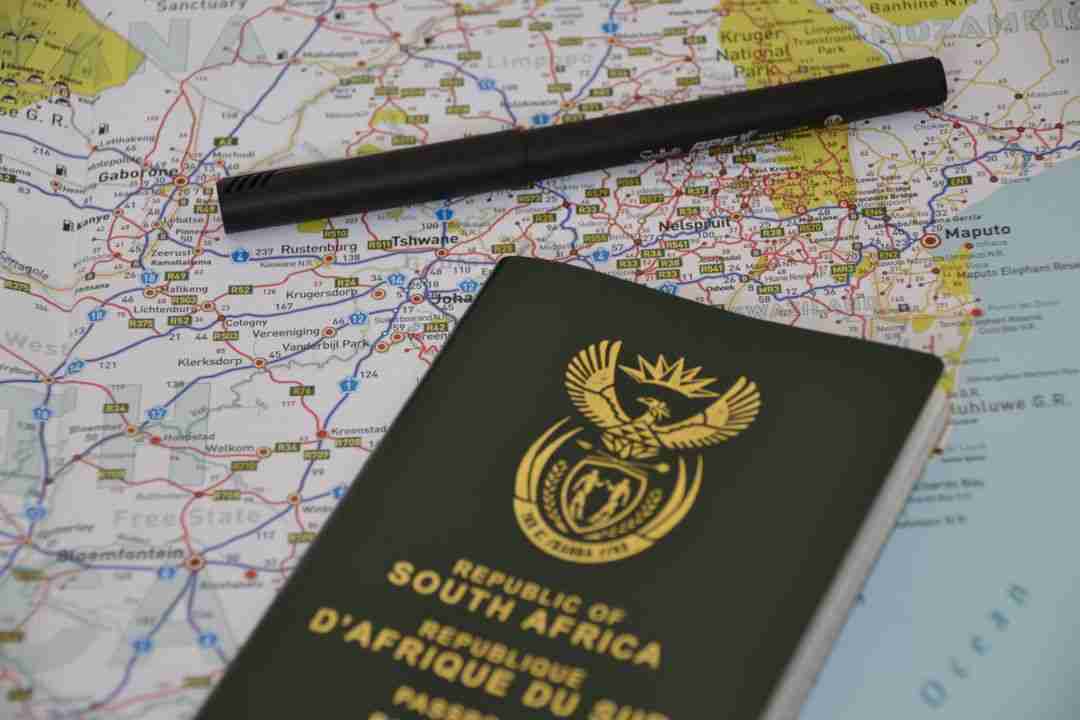
Imagine standing in line at an airport immigration counter, heart racing, as a stern officer scrutinizes your documents. The clock ticks away, and the uncertainty of whether you'll be allowed entry hangs in the air. For many long-term travelers, navigating visa rules feels like a high-stakes game. It's a world where regulations vary dramatically depending on your passport, destination, and even the time of year. Yet, despite the complexities, seasoned travelers have found ways to manage these challenges, turning potential pitfalls into mere bumps on their journey.
Understanding Schengen: 90/180 Day Rule
One of the most well-known visa conundrums involves the Schengen Area, a zone comprising 27 European countries. Here, travelers from many non-EU countries can stay for up to 90 days within a 180-day period without a visa. But here's the catch: the 90 days are cumulative, not consecutive. This rule often trips up travelers who don't keep a keen eye on the calendar.
Consider the case of an Australian traveler who planned an extended European tour. He entered the Schengen Zone in January, intending to hop in and out of various countries. However, by April, he realized he had overstayed by 10 days. The oversight cost him a hefty fine and a future travel ban. The lesson here? Use a visa calculator to track your Schengen days. Websites like Schengen Visa Calculator are invaluable for keeping tabs on your travel days. It's also wise to keep a detailed travel journal or digital log. Documenting entry and exit dates can help you avoid miscalculations and ensure a seamless travel experience.
Visa Runs: A Temporary Solution
Visa runs are a common strategy among long-term travelers to reset their visa status. Essentially, this involves leaving a country briefly and re-entering to renew the visa. While it may sound straightforward, it's not always a guaranteed solution.
Take, for example, the digital nomads in Southeast Asia. Thailand, a popular destination, offers a 30-day visa-free entry for many countries. Some travelers extend this by doing a visa run to a neighboring country, such as Laos or Cambodia. But beware: not all border crossings are equal. Some travelers report being denied re-entry if their passport stamps suggest they've been doing frequent runs. The key is to understand the specific rules of each country and not rely solely on visa runs for long-term stays. Researching the experiences of fellow travelers through forums like Nomad List can provide insights into the success rates of various border crossings.
Work Visas: The Digital Nomad's Dilemma
As remote work becomes more prevalent, many are tempted to work while traveling. However, working on a tourist visa can lead to legal issues. Enter the digital nomad visa—a new category designed to cater to remote workers.
Countries like Estonia and Barbados have pioneered these visas, offering legal pathways for remote work. Estonia's Digital Nomad Visa allows remote workers to stay for up to a year, provided they meet specific income requirements. Similarly, Barbados offers a 12-month Welcome Stamp for remote workers who wish to live and work from the island. These options are a game-changer for those wanting to blend work and travel legally. Before applying, ensure that your remote work setup complies with local tax regulations, as some countries may require you to pay local taxes.
The Intricacies of Long-Stay Visas
For those seeking an extended stay, long-term visas such as student or retirement visas can be a viable option. Each visa type has its own set of requirements and benefits.
Students, for instance, can often secure visas that allow them to work part-time, offering both financial and cultural benefits. In Japan, international students can work up to 28 hours per week. Retirees, on the other hand, might find countries like Portugal or Malaysia appealing, as they offer retirement visas with relatively low financial thresholds. Portugal's D7 Visa allows retirees to live in Portugal on passive income, without needing to make large-scale investments. It's crucial to gather all necessary documentation, such as proof of income and health insurance, well in advance to avoid delays in the application process.
The Role of Visa Agencies
Navigating visa requirements can be daunting, but visa agencies can simplify the process. These agencies offer expert advice, handle paperwork, and ensure compliance with local laws. However, the service comes at a cost.
For example, a traveler looking to obtain a Brazilian visa might use a service like IVisa to streamline the process. While the agency fee might add to the expense, the peace of mind and time saved can be well worth it, especially for complex visa applications. Always verify the credibility of a visa agency by checking reviews and testimonials to avoid scams or subpar services.
Overcoming Language Barriers in Visa Applications
Language barriers can complicate visa applications, especially when dealing with countries where English is not the primary language. Misunderstandings can lead to incorrect applications or even denials.
Consider a traveler applying for a Chinese tourist visa. The application form requires precise information, and a minor error can result in rejection. To mitigate these issues, many suggest using translation tools like Google Translate or hiring local translators to ensure accuracy. Doing so can prevent costly mistakes and streamline the application process. Additionally, some embassies offer multilingual support services, which can be a valuable resource for applicants unsure about language nuances.
Staying Informed About Visa Changes
Visa regulations are not static; they change frequently based on political, economic, and social factors. Staying informed is crucial for long-term travelers.
For instance, Brexit has altered the landscape for British travelers in Europe. Previously unrestricted, UK citizens now face the same Schengen restrictions as other non-EU travelers. To stay updated, consider subscribing to government websites or travel blogs that focus on visa changes. The UK Government's Travel Advice is a reliable source for British travelers needing the latest updates. Engaging with online travel communities can also provide real-time insights from fellow travelers experiencing these changes firsthand.
The Financial Implications of Visa Rules
Visa costs can range from negligible to significant, affecting travel budgets. Some countries charge minimal fees, while others impose hefty charges that can surprise the unprepared traveler.
India, for instance, offers an e-visa option that costs around $10 to $100, depending on the duration and nationality. Meanwhile, a Russian visa can cost over $160 for US travelers. Budgeting for these expenses is essential, and experts recommend allocating a specific part of your travel budget to visa fees and related costs. It can be beneficial to use travel budgeting apps to track these expenses and plan for unexpected costs, such as additional documentation fees or travel insurance requirements.
Strategies for Managing Visa Rejections
Even with meticulous planning, visa rejections can occur. It's a disheartening experience but not the end of the road. Understanding the reason for rejection is the first step toward a successful reapplication.
A common reason for rejection is insufficient proof of financial stability. In such cases, providing comprehensive bank statements or sponsorship letters can strengthen the application. Additionally, ensuring all documents are translated into the destination country's official language can increase the chances of approval. Online forums and communities, such as Visa Journey, can offer support and advice from others who have faced similar challenges. Seeking professional advice from immigration lawyers can also provide tailored strategies to improve your application.
Tips for Organizing Visa Documents
Managing multiple visas requires a high level of organization. Losing track of paperwork can lead to stressful situations at border crossings or visa renewals.
Professionals often recommend using digital tools to keep documents organized. Apps like Notion or Google Drive are excellent for storing scanned copies of visas, passports, and other travel documents. Setting reminders for visa expiration dates can prevent accidental overstays and ensure timely renewals. Creating a checklist for each application process can also help keep track of required documents and deadlines, ensuring nothing is overlooked.
Taking Action Today
Visa rules may seem overwhelming, but with the right strategies, you can navigate them with confidence. Start by researching the visa requirements for your next destination. Use tools to track your days if you're heading to a Schengen country. If remote work is on your agenda, explore digital nomad visas that suit your lifestyle. And always, always stay informed about changes in visa policies. With preparation and the right resources, you can focus on what truly matters: the journey itself.