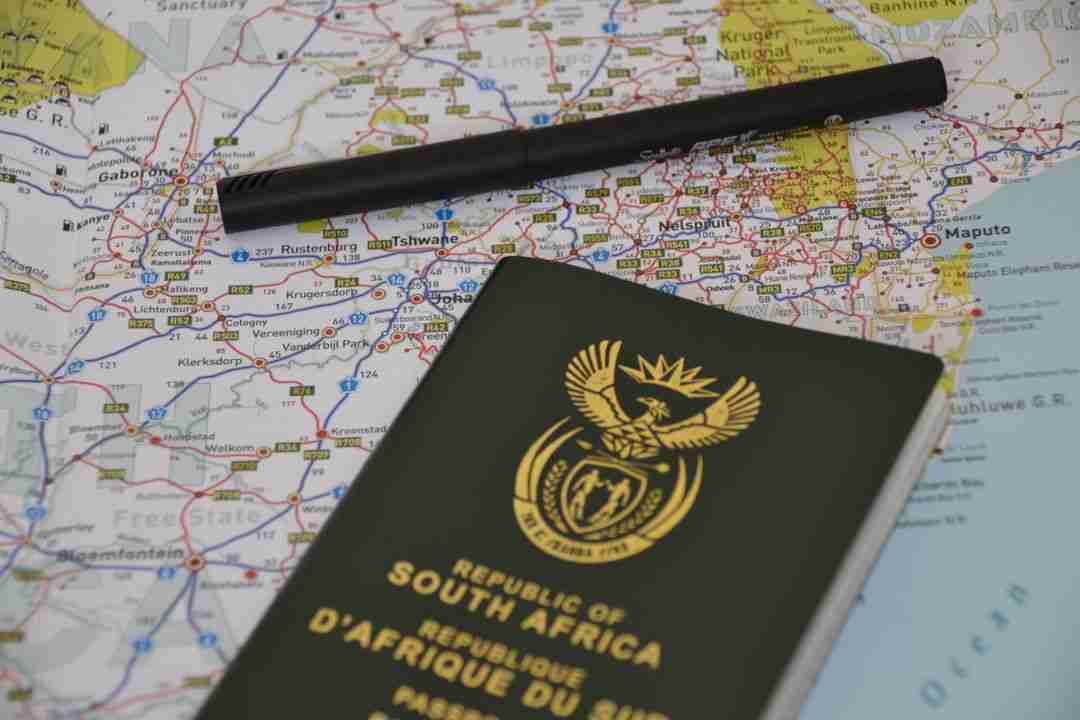
Imagine this: You've been living the dream in a foreign country, soaking up the culture and enjoying every moment. But there's a looming deadline—your visa's expiration date. This is where the concept of a "visa run" enters the picture. For many expatriates and long-term travelers, executing a visa run is a necessary ritual to extend their stay without legal complications. But how does one navigate this process seamlessly? Let's explore how you can manage your first visa run without any hiccups.
Plan Your Visa Run Strategy Around Your Host Country's Rules
Visa regulations can vary dramatically depending on the country you're in. Some countries offer straightforward processes, while others may have more intricate requirements. For instance, Thailand is a popular destination for visa runs, but it requires careful planning due to its strict immigration rules. Typically, travelers need to leave the country and re-enter to reset their visa or apply for a new one. The key is understanding the specific requirements of your host country and the neighboring country you'll be traveling to.
Research shows that many travelers opt for nearby countries where entry is visa-free or involves minimal hassle. For example, those in Southeast Asia often choose Malaysia, Cambodia, or Laos for their visa runs. Always check the latest immigration updates on official government sites or reputable resources like the Timatic database to ensure you have the latest information.
It's also beneficial to join online communities or forums related to expatriates in your host country. These platforms can provide valuable insights and firsthand experiences from other travelers who have recently completed visa runs. Websites like Expat.com or Reddit can be great places to start your research.
Select the Most Convenient and Cost-Effective Destination
Choosing the right destination for your visa run can save you both time and money. It's not just about crossing the nearest border; it's about selecting a place that offers the best balance between convenience, cost, and experience. For many, affordability is a significant factor. Airline tickets, bus fares, and accommodation costs can quickly add up, so selecting a nearby country with low travel costs can be advantageous.
Consider this: If you're in Europe, a short flight to a neighboring Schengen country might be the most straightforward option. However, if you're in Central America, you might opt for a quick trip across the border into Mexico or Belize. Each region offers its own set of practical options. Using resources like Skyscanner and Kayak can help you find budget-friendly travel deals.
Also, consider the cultural experiences or attractions that your visa run destination might offer. Turning your visa run into a mini-vacation can make the process feel less like a chore. For instance, if your visa run takes you to Malaysia, you might explore the vibrant cityscape of Kuala Lumpur or the historical streets of Penang. Balancing necessity with leisure can enhance your travel experience.
Timing Is Everything: Schedule Your Run Carefully
The timing of your visa run can significantly impact your experience. Ideally, aim to complete your visa run well before your current visa expires. This not only reduces stress but also allows for any unexpected delays or complications. Experts suggest allowing at least a week of buffer time before the expiration date.
Consider the local holidays and peak travel seasons of both your host and destination countries. Traveling during these times can lead to increased costs and crowded checkpoints. For instance, during the Tet holiday in Vietnam or Golden Week in Japan, both transportation and accommodation can be challenging to secure. Planning your visa run during off-peak times can make the process smoother and more cost-effective.
Another factor to consider is the weather conditions in your destination. Seasonal weather changes can affect travel plans, especially in regions prone to monsoons or hurricanes. Checking weather forecasts and planning accordingly can help avoid disruptions during your visa run.
Documentation: Don't Leave Home Without It
One of the most common pitfalls during a visa run is inadequate documentation. Always double-check that you have all necessary documents before starting your journey. Essential items typically include your passport (with at least six months of validity and blank pages), any required visa forms, proof of onward travel, and recent passport-sized photos.
Some countries may also require additional documentation, such as proof of sufficient funds or accommodation bookings. It's wise to have both physical and digital copies of all documents. Tools like Google Drive and Dropbox are excellent for storing digital copies that you can access from anywhere.
To avoid last-minute surprises, consider creating a detailed checklist of all required documents and packing it in an easily accessible place. Downloading and filling out any necessary forms ahead of time can also expedite the process at the border. Being well-prepared can prevent unnecessary stress and ensure a smooth transition across borders.
Prepare for Border Crossings: Know the Process
Border crossings can be unpredictable. They might involve long lines, unexpected fees, or even random checks. Familiarizing yourself with the procedures at your chosen border crossing can help you navigate it smoothly. Many travelers report that smaller, less crowded crossings often provide a quicker and more pleasant experience than large, busy ones.
One practical tip is to carry a small amount of local currency to cover any unexpected fees or purchases. Also, being polite and patient with border officers is always beneficial. Some countries may have informal queues or processes that aren't immediately clear, so observing others and asking questions can clarify any confusion.
Engaging with border officials respectfully and calmly can make a significant difference in your experience. Being aware of cultural norms and language barriers can also play a role in ensuring smooth interactions. A friendly demeanor and a few phrases in the local language can often go a long way in creating a positive impression.
Consider the Unexpected: Have a Backup Plan
Even the best-laid plans can encounter unforeseen obstacles. Whether it's a flight cancellation, an unexpected border closure, or a sudden change in visa rules, having a backup plan is crucial. Consider purchasing travel insurance that covers unexpected delays or cancellations. Companies like World Nomads offer policies tailored for travelers and expatriates.
Moreover, keeping a list of alternative destinations or routes can help you pivot quickly if needed. This is especially important during times of political unrest or natural disasters. Being flexible and adaptable can turn potential travel headaches into manageable detours.
Having a list of emergency contacts, such as your host country's embassy and local authorities, is also advisable. These contacts can provide assistance and guidance in unexpected situations, ensuring that you have the support needed to navigate any challenges that arise during your visa run.
Return with Confidence: Ensure Your Re-Entry Is Seamless
Successfully completing a visa run doesn't end with leaving your host country; re-entry is equally important. Ensure all your documentation is in order, and be prepared to answer any questions about your travel plans. Immigration officers will likely inquire about your intended length of stay and purpose of visit, so having clear, concise answers is beneficial.
Professionals note that staying informed about any recent changes to visa policies or entry requirements is crucial. Subscribing to updates from official government websites or travel advisory services can keep you in the loop and help avoid any surprises at the border.
Understanding the nuances of re-entry requirements for your host country can prevent potential issues. For example, some countries may impose waiting periods or additional fees for re-entry, so being well-informed and prepared can safeguard against unexpected complications.
What You Can Do Today to Prep for Your Visa Run
Taking the first steps toward planning a successful visa run can begin immediately. Start by researching your host country's visa requirements and potential destinations for your run. Create a checklist of necessary documents and ensure your passport is valid. Investigate travel insurance options and set alerts for any travel deals.
By organizing these elements now, you can ensure a smoother, more stress-free experience when the time for your visa run arrives. With careful planning and a proactive approach, navigating your first visa run can be a straightforward and even enjoyable part of your travel journey.
Considering the logistics and potential challenges ahead of time enables you to approach your visa run with confidence. Embrace the opportunity to explore new destinations and cultures, turning what might seem like a bureaucratic necessity into a rewarding travel experience.


