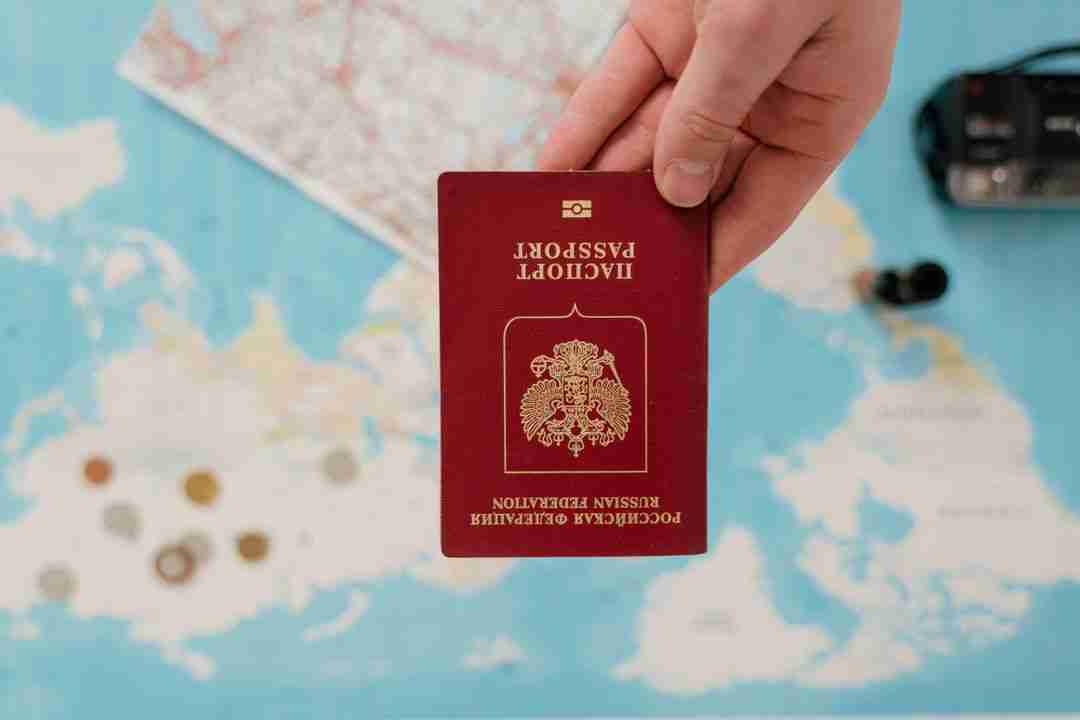
Imagine you're standing in line at an embassy, clutching a pile of documents, anxiously hoping you've remembered everything required for your visa application. The clock is ticking, and each tick adds to the anxiety of whether you'll be approved or denied. For many expats, navigating the labyrinth of visa requirements and bureaucracy is nothing short of a daunting ordeal. But understanding the common challenges and learning from those who have gone through the process can significantly ease the journey.
The Reality of Processing Times: Why Patience is Key
Visa processing times can vary dramatically depending on the country, visa type, and current geopolitical climate. For instance, obtaining a work visa in countries like Australia or Canada may take anywhere from several weeks to several months. Many find that the waiting period can often extend beyond initial estimates, causing stress for those who need to coordinate travel dates or employment start times.
In some cases, visa processing can be expedited, but this often comes at a cost. Paying for premium processing can significantly reduce wait times. For example, the United States offers a premium processing service for certain visa types, which guarantees a decision within 15 calendar days for a fee of $2,500. However, not every visa type is eligible for such services, so it's crucial to check specific visa categories.
Understanding the factors that can impact processing times is essential. For instance, during peak travel seasons, such as summer or around major holidays, embassies and consulates may experience higher volumes of applications, leading to longer wait times. Political situations can also affect processing, as seen in cases where diplomatic tensions result in stricter scrutiny of applications.
The Financial Costs: More Than Just a Fee
Visa applications can be expensive, and costs often go beyond the initial application fee. There's the cost of gathering required documentation, which may include translations, certifications, or legal advice. For instance, many countries require documents like birth certificates or marriage licenses to be translated into the host country's official language by a certified translator. These translations can cost between $20 and $50 per page, depending on the complexity and language pair.
Additionally, some countries mandate a medical examination as part of the visa process, which can cost anywhere from $100 to $500. It's important to budget for these additional costs early in the process to avoid financial strain later.
Moreover, applicants should be aware of potential hidden costs, such as travel expenses for attending interviews or additional fees for resubmitting applications if initial attempts are unsuccessful. Being prepared for these financial commitments can prevent unexpected burdens. Creating a detailed budget that includes all potential expenses, from document preparation to travel costs, can help manage finances more effectively.
Document Requirements: The Devil is in the Details
Visa applications often come with a long list of required documents, and missing even one can result in a rejected application. Different countries and visa types have distinct requirements. A common pitfall is not having documents certified or apostilled, which is a process that authenticates the origin of a public document. The Hague Apostille Convention simplifies this for member countries, but for non-member countries, the process can be more complex and time-consuming.
For those applying for work visas, proof of employment is a crucial document. This can include employment contracts, letters from employers, or proof of qualifications. It's not uncommon for employers to accidentally omit crucial details in these documents, so reviewing them thoroughly before submission is a must.
An often overlooked aspect is the importance of keeping copies of all submitted documents. This can serve as a reference if there are any discrepancies or if documents are misplaced by the processing agency. Additionally, ensuring that all documents are up to date and consistent with one another, such as matching names and dates across different certificates, can prevent unnecessary delays.
Language Barriers: Overcoming Communication Hurdles
Language can be a significant barrier in the visa application process. Not only are documents often required in the official language of the host country, but the application forms themselves may also be in a foreign language. This can lead to misunderstandings and errors in the application.
Investing in a reliable translation service or hiring a local immigration consultant can be invaluable. Services like Google Translate can assist with basic translation, but for official documents, a certified translator is recommended. Immigration consultants can also provide insights into local immigration laws and help navigate complex bureaucratic processes.
For applicants who are not fluent in the host country's language, taking language courses can be beneficial. Online platforms such as Rosetta Stone offer comprehensive language programs that can improve understanding and confidence. Practicing language skills in real-life situations, such as speaking with native speakers or participating in language exchange programs, can further enhance communication abilities.
Navigating Interviews: What to Expect
For many visa types, an interview is a mandatory part of the application process. This can be intimidating, especially when conducted in a non-native language. The key to a successful visa interview is preparation. Applicants should be ready to answer questions about their purpose for traveling, financial stability, ties to their home country, and plans while in the host country.
Mock interviews can be a helpful way to prepare. Practicing with someone who understands the process can provide invaluable feedback and build confidence. Resources such as Duolingo offer language practice that can be beneficial for interview preparation.
Understanding cultural differences in communication styles can also improve interview performance. For instance, some cultures value direct and concise answers, while others may appreciate a more detailed approach. Researching these cultural nuances and adapting accordingly can make a positive impression on interviewers.
Changing Visa Status: When Plans Evolve
Life is unpredictable, and plans can change. This is why understanding how to change visa status while abroad is crucial. Many expats find themselves needing to extend their stay, switch from a student visa to a work visa, or change their status due to personal circumstances.
Different countries have different rules regarding visa status changes. In the United States, for instance, the process can be complex and often requires legal assistance. Experts suggest consulting with an immigration lawyer or advisor to understand the implications and requirements for changing visa status. This is especially important because unauthorized changes can lead to visa violations, which might result in deportation or bans on future travel.
Exploring alternative visa options, such as family or partner visas, can also provide solutions for those who wish to remain in a host country longer. Joining expat forums or community groups can offer insights and support from others who have navigated similar situations, providing practical advice and recommendations for reputable legal resources.
Technology: Streamlining the Visa Process
Technology has become a vital tool in managing visa applications. Many countries now offer online application systems, making it easier to submit documents and track application status. For example, the UK's Visa and Immigration website provides a comprehensive portal for various visa services.
Apps and tools can also help keep track of deadlines and document submissions. Notion and Trello are popular project management tools that can help organize tasks and timelines. Setting reminders and keeping digital copies of all correspondence and submissions can prevent last-minute scrambles.
Moreover, technology can aid in staying informed about changes in immigration policies and requirements. Subscribing to official newsletters or using news aggregation apps can provide timely updates, ensuring that applicants are aware of any new developments that may affect their visa applications.
Practical Tips for a Smoother Experience
Navigating visa red tape is challenging, but preparation and knowledge can make the process smoother. Here are some practical tips from seasoned expats and experts:
-
Research Thoroughly: Before applying, gather detailed information about the visa requirements specific to the country and visa type. Government websites and official immigration portals are the best sources.
-
Prepare Early: Start gathering documents and completing forms well in advance. This allows time to address any issues that arise.
-
Seek Professional Help: If the process seems overwhelming, consider hiring an immigration consultant or lawyer. Their expertise can save time and reduce stress.
-
Stay Organized: Keep a checklist of all required documents and steps in the application process. Use digital tools to manage deadlines and keep track of submissions.
-
Stay Informed: Immigration laws and policies can change. Keep up to date with the latest news and updates from official sources to avoid surprises.
-
Network with Other Expats: Connecting with others who have gone through the process can provide valuable insights and support. Online forums and local expat groups are excellent resources for advice and shared experiences.
Ultimately, while visa processes can be challenging, they're surmountable with the right approach. By understanding the common pitfalls and preparing accordingly, you can navigate the red tape more effectively and focus on the exciting journey ahead.