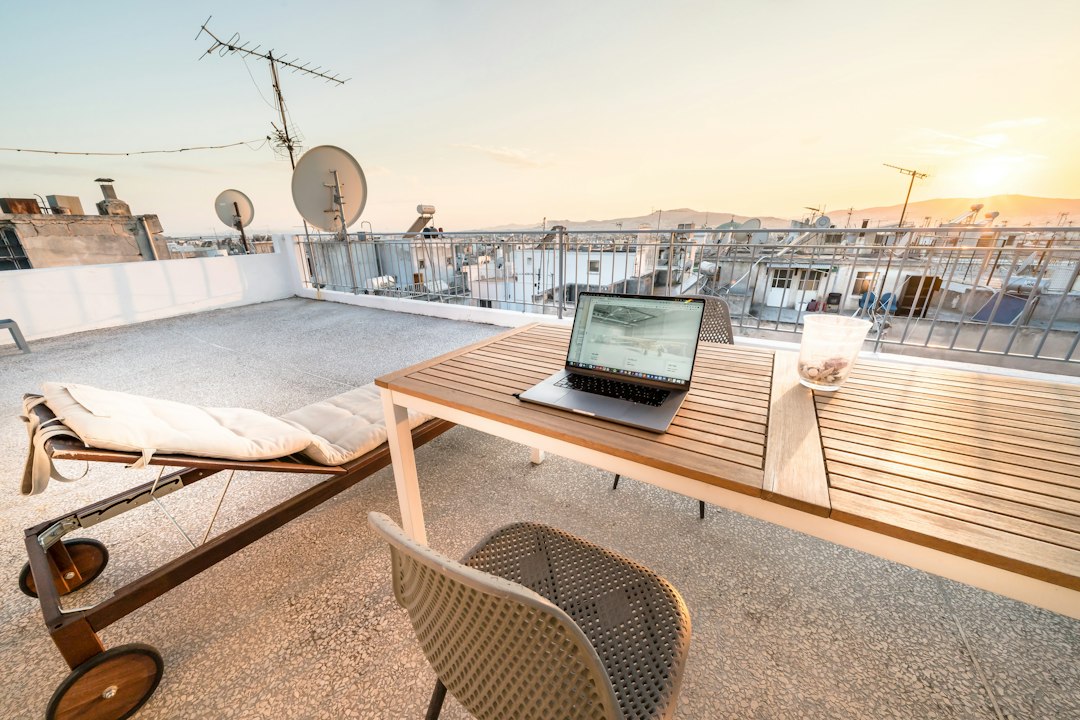
Imagine waking up to the sound of waves gently lapping against the shore, sipping coffee on a sun-drenched terrace, and knowing that this paradise costs less than your cramped city apartment back home. Living abroad on a tight budget isn't just a dream—it's achievable with the right strategies. Many have found that with careful planning and smart choices, you can stretch your dollars further while enjoying a lifestyle that seemed out of reach. Here's how you can navigate the cost of living abroad and truly live big on a small budget.
Understanding Local Economy: The Key to Budget Living
One of the first steps in managing your finances abroad is understanding the local economy. This isn't as straightforward as it may seem, but it’s crucial. Knowing the cost of everyday items, from groceries to transportation, can significantly impact your budget. For instance, in Thailand, a meal at a local restaurant may cost as little as $2, while in Switzerland, you might spend $20 for something similar.
Research shows that expatriates often use tools like Numbeo to compare the cost of living across different countries. This site provides user-contributed data on prices, helping you understand where your money will stretch further. It’s also wise to track currency exchange rates, as fluctuations can affect your purchasing power. By tapping into local knowledge and resources, you can make informed decisions about where to live and how to spend your money.
Housing Hacks: From House Sitting to Co-Living
Finding affordable housing is often the biggest challenge for those wanting to live abroad on a budget. However, there are several innovative solutions to consider. House sitting, for example, can be a great way to eliminate rent costs altogether. Platforms like TrustedHousesitters connect travelers with homeowners who need someone to care for their property and pets while they're away. This arrangement often comes with free accommodations in exchange for your services.
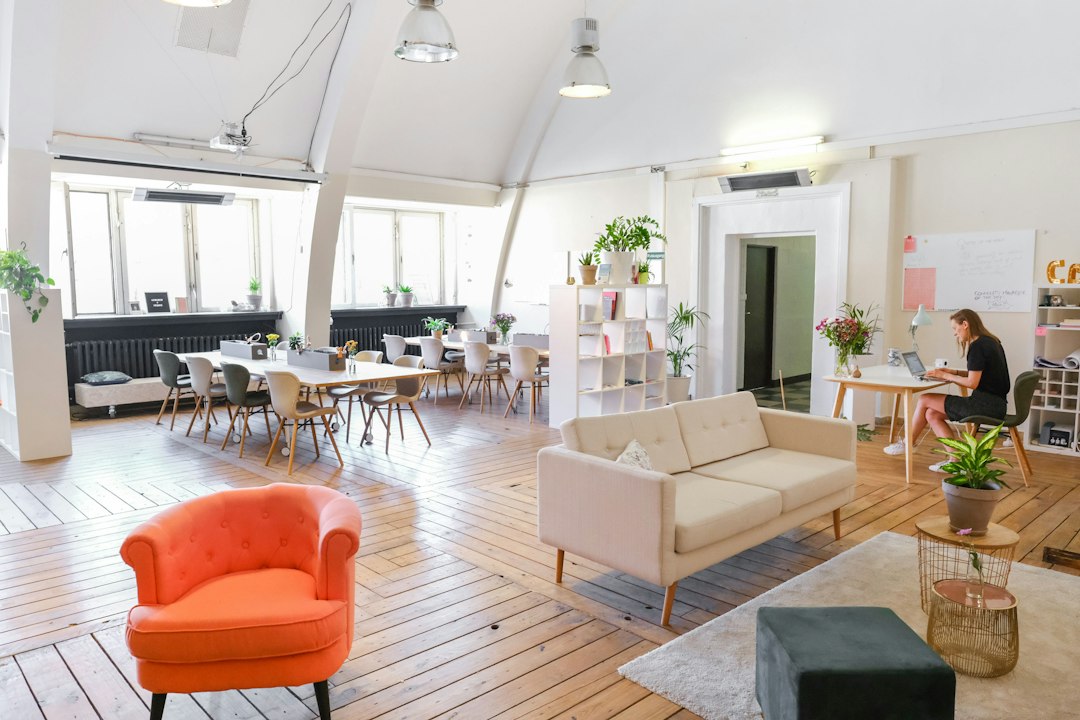
Another option is co-living, which has become increasingly popular in urban areas around the world. Co-living spaces like Roam offer fully furnished rooms and communal living areas, allowing residents to share costs and enjoy a sense of community. These spaces often include utilities, internet, and even cleaning services in their fees, making them an attractive choice for budget-conscious expatriates. By exploring these alternatives, you can find a housing solution that fits your budget and lifestyle.
Eating Smart: Local Markets and Home Cooking
Food can be a major expense, but it doesn't have to be. One of the joys of living abroad is exploring local cuisine, and doing so can be surprisingly affordable. By shopping at local markets, you can purchase fresh produce and ingredients at a fraction of the cost of supermarkets. In many countries, markets offer the freshest foods and create opportunities to interact with locals, enhancing your cultural experience.
Cooking at home is another way to save money while living abroad. Not only does it reduce expenses, but it also allows you to experiment with local ingredients and flavors. Many expatriates share that learning to cook traditional dishes can be both a fun and rewarding experience. If cooking isn't your forte, consider taking a local cooking class. You'll gain skills and knowledge that will help you eat well on a budget.
Transportation Tips: Public Transit and Beyond
Getting around in a foreign country can be daunting, but it doesn't have to break the bank. Public transportation is often the most cost-effective way to travel within a city. Monthly transit passes can save you a significant amount compared to daily fares. In cities like Berlin and Tokyo, public transit is not only affordable but also efficient and reliable.
For those who prefer more flexibility, consider renting a bicycle or using ride-sharing services. In places like Amsterdam and Copenhagen, cycling is a way of life and an inexpensive way to explore the city. Ride-sharing apps like Uber or local alternatives can be a convenient option for longer distances or when public transit isn't available. By choosing the right transportation method, you can significantly reduce your travel expenses.
Healthcare Abroad: Affordable Options and Insurance
Healthcare is a critical consideration for anyone living abroad. The quality and cost of medical services can vary significantly from one country to another. In countries with universal healthcare systems, such as Spain or Australia, expatriates often find that medical expenses are much lower than in the United States.
However, it's essential to have health insurance to cover unexpected medical costs. Many recommend using international health insurance providers like Cigna Global or Allianz Care to ensure coverage wherever you are. These plans can be tailored to your needs and often include benefits like emergency evacuation and coverage for pre-existing conditions. By securing the right insurance, you can protect yourself from financial strain in case of medical emergencies.
Staying Connected: Affordable Communication Tools
Staying in touch with loved ones back home is important, but international communication can be costly. Fortunately, there are numerous tools available to help you stay connected without spending a fortune. Messaging apps like WhatsApp and Viber allow for free text and voice calls over the internet, making it easy to keep in touch with friends and family.
For more reliable internet access, consider purchasing a local SIM card or an international data plan. Many countries offer affordable prepaid SIM cards with generous data allowances, which are perfect for travelers. This can be a more cost-effective solution compared to international roaming charges from your home carrier. With the right tools, you can stay connected without blowing your budget.
Building a Community: Networking and Socializing on a Budget
Living abroad can sometimes feel isolating, but building a social network is essential for your mental and emotional well-being. Many expatriates find that joining local clubs or groups is an excellent way to meet people and establish a sense of community. Websites like Meetup offer a platform to connect with others who share similar interests, whether it's hiking, language exchange, or book clubs.
Volunteering is another way to integrate into the local community while keeping costs low. It provides a chance to give back, meet locals, and gain a deeper understanding of the culture. By putting yourself out there and engaging with others, you can create a fulfilling social life without spending a lot of money.
Maximizing Entertainment: Free and Low-Cost Activities
Entertainment doesn't have to be expensive when living abroad. Many cities offer a wealth of free or low-cost activities that provide a rich cultural experience. Museums, galleries, and historical sites often have free admission days or discounted entry for residents. In Paris, for example, the first Sunday of every month offers free access to many museums.
Outdoor activities are another great way to enjoy your surroundings without spending much. Hiking, picnicking, or simply exploring your new city on foot can be both enjoyable and budget-friendly. Many communities host free events, such as concerts or festivals, which can be an excellent opportunity to experience local culture. By seeking out these activities, you can enjoy your new home without straining your finances.
Financial Planning: Budgeting Tools and Techniques
To ensure you're living within your means abroad, it's essential to have a solid financial plan. Budgeting tools like Mint or YNAB (You Need A Budget) can help you track expenses and manage your finances effectively. These tools allow you to set spending limits and receive notifications if you're approaching your budget.
Many find that creating a detailed budget before moving helps anticipate major expenses and avoid surprises. Include all potential costs, such as housing, food, transportation, and entertainment. Regularly reviewing and adjusting your budget as needed will help you stay on track financially. With the right planning, you can maintain financial stability while enjoying your time abroad.
Taking Action Today: Start with Small Changes
Living big on a small budget while abroad is entirely possible with thoughtful planning and smart choices. Start by researching the cost of living in your desired destination and explore affordable housing options. Embrace local markets for groceries, choose budget-friendly transportation methods, and ensure you have adequate healthcare coverage. Don't forget to leverage communication tools to stay connected and seek out social opportunities to build a supportive community.
By taking these steps today, you're setting yourself up for a rewarding and fulfilling experience living abroad. With a little creativity and resourcefulness, you can enjoy a rich and vibrant lifestyle without breaking the bank.