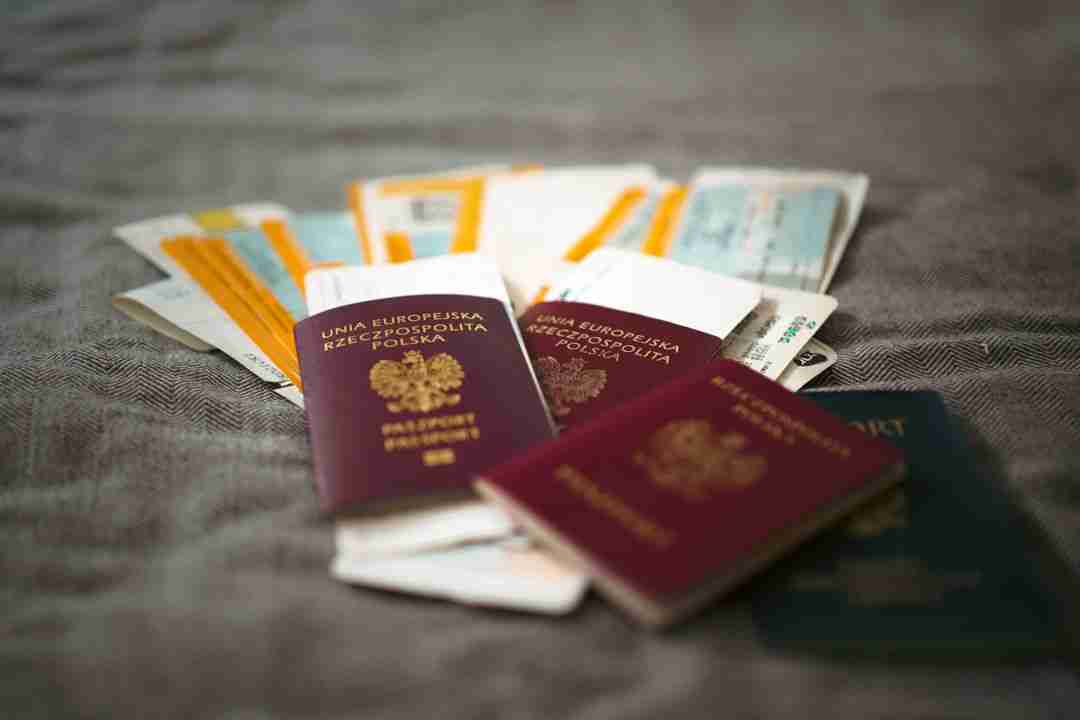
Navigating the labyrinth of visa and travel laws can often feel like trying to solve a complex puzzle without all the pieces. Picture this: an eager traveler, bags packed and heart full of anticipation, only to be halted at the airport due to a visa mishap. It's a scenario more common than many would like to admit. Understanding the intricacies involved not only saves time and stress but also ensures that your travel dreams aren't grounded before they even take off.
Understanding Visa Requirements: A Country-Specific Puzzle
Visa requirements vary significantly from one country to another, and even the most seasoned travelers can find themselves entangled in these differing stipulations. For instance, American citizens traveling to Brazil need a tourist visa, which costs around $160 and requires an application through the Consulate General of Brazil. In contrast, many European countries allow Americans to visit visa-free for up to 90 days within a 180-day period, thanks to the Schengen Agreement.
But here's the catch: overstaying even by a single day in a Schengen country can lead to fines or a ban on re-entry. This isn't just a hypothetical warning. Numerous travelers have found themselves facing hefty penalties simply because they miscalculated their stay. It's crucial to keep track of the days spent in these zones using tools like the Schengen Calculator.
To further illustrate the complexity, consider the case of travelers from countries requiring advance visas for Schengen areas. They must apply through the consulate of the main destination country, which can be a lengthy and meticulous process involving proof of accommodation, travel insurance, and financial stability. This emphasizes the importance of early planning and keeping abreast with any changes in visa policies.
The Hidden Complications of Visa On Arrival
The promise of a visa on arrival can seem like a breath of fresh air. Yet, it often comes with its own set of hurdles. Imagine landing in Egypt, where a visa on arrival is available for $25. Sounds simple, right? However, travelers have reported long queues and unexpected requirements like additional passport photos, even when official information suggests otherwise.
To circumvent potential pitfalls, it's wise to carry extra passport-sized photos and have some local currency on hand. Also, researching recent traveler experiences through platforms like TripAdvisor can provide valuable insights into the current situation at specific airports.
Adding a layer of complexity, some countries may change their visa on arrival policies with little notice, due to political or economic reasons. For instance, previously relaxed visa conditions can tighten, or fees can increase suddenly, catching travelers unaware. Staying updated through official government travel sites or embassy alerts can help you avoid unpleasant surprises.
E-Visas: A Convenient Yet Confusing Option
E-visas are increasingly popular, offering a convenient way to secure travel authorization online before departure. Countries like India and Vietnam have embraced this system, but the process isn't always straightforward. Take Vietnam's e-visa, for example. It costs $25 and typically takes three business days to process. However, travelers have encountered delays and technical glitches on the official Vietnam E-Visa website.
To ensure a smooth application process, experts suggest submitting applications well in advance and double-checking all entered information. A minor typo can lead to rejection, causing unnecessary stress right before your trip. It's also beneficial to keep digital and printed copies of your e-visa, as some airlines may require proof before permitting you to board the flight.
In addition, some countries offer multiple types of e-visas, each with specific entry ports and purposes. Misunderstanding these categories can result in denied entry upon arrival. Consulting reliable sources or directly contacting the issuing authority for clarification can prevent such mishaps.
The Importance of Reciprocity Fees
Reciprocity fees, often overlooked, are charges some countries impose on travelers in response to similar fees imposed on their citizens. Argentina, for instance, required American travelers to pay a reciprocity fee of $160 upon arrival until recently. While this fee has been suspended for U.S. citizens, similar fees still exist in other destinations, and travelers should always verify current requirements with official sources like embassy websites.
Understanding these fees and factoring them into your budget can prevent unexpected financial surprises. Checking the latest travel advisories and fee requirements on sites such as the U.S. Department of State can provide up-to-date information. It's also essential to note that some countries may only accept these fees in specific currencies or through particular payment methods, which requires advanced preparation to avoid any last-minute inconveniences.
Overcoming Language Barriers in Visa Applications
Language can be a significant barrier when applying for visas, especially in countries where English isn't the primary language. For instance, Japan's visa application forms are often available only in Japanese, posing a challenge for non-speakers. Professional translation services or multilingual visa agencies can be invaluable resources in such cases, ensuring accurate completion of forms and avoiding misinterpretations that could lead to visa denial.
For those who prefer a DIY approach, online translation tools like Google Translate can assist in understanding basic instructions, though caution is advised as automated translations may not always be precise. Joining expatriate forums or seeking advice from local communities can also provide practical guidance and firsthand tips on navigating language barriers effectively.
The Role of Travel Agents in Navigating Visa Complexities
While DIY travel planning is increasingly popular, the expertise of a seasoned travel agent can be a lifesaver, particularly for complex itineraries involving multiple visas. Travel agents not only stay updated on the latest visa regulations but can also offer personalized advice based on a traveler's specific situation. They often have access to insider tips and contacts that can expedite the visa application process.
For example, when planning a multicountry African safari, where each country might have different visa requirements, a travel agent can streamline the process, ensuring all necessary visas are obtained in the correct order and timeframe. They can also provide insights into lesser-known visa options, such as regional visa schemes that allow travel between neighboring countries on a single visa, which could save both time and money.
Visa Waivers and Their Limitations
Visa waiver programs can simplify travel for citizens of participating countries, allowing visa-free entry for short stays. However, these waivers often come with limitations. The Electronic System for Travel Authorization (ESTA) allows entry into the United States for up to 90 days for citizens of certain countries, but it's not a visa and doesn't guarantee entry. The final decision rests with the U.S. Customs and Border Protection officer at the point of entry.
Understanding the nuances of visa waivers, including their validity period and renewal process, is crucial. Many travelers wrongly assume that a waiver means unrestricted access, only to face disappointment at the border. It's also worth noting that some countries may suspend waiver agreements temporarily due to diplomatic or security concerns, necessitating a rapid shift to applying for a full visa to maintain travel plans.
How to Handle Visa Rejections
Visa rejections can be disheartening, but they're not the end of the road. Common reasons for rejections include insufficient documentation, unclear travel purposes, or previous immigration violations. Addressing these issues before reapplying is essential. Seeking advice from immigration lawyers or specialized visa consultants can provide clarity and improve the chances of a successful application.
Moreover, maintaining a positive travel history, such as adhering to previous visa conditions and demonstrating ties to one's home country, can strengthen future applications. Keeping a copy of your entire application and any communication with the consulate can also serve as a useful reference for reapplication. It's equally important to understand the appeal process for visa rejections, as some countries allow for appeals or reconsiderations, which can offer a second chance.
Preparing for the Unexpected: Contingency Plans
Despite meticulous planning, travel plans can be disrupted by unexpected visa issues. Having a contingency plan can alleviate stress and reduce potential losses. This might include purchasing travel insurance that covers visa-related cancellations or delays, or having alternative travel arrangements in place.
Travelers can also benefit from joining communities and forums like Lonely Planet's Thorn Tree where fellow travelers share real-time updates and advice on dealing with visa challenges. Staying connected with such resources ensures you're never navigating these complexities alone. Additionally, keeping digital backups of all travel documents and emergency contacts for embassies or consulates in your destination can be invaluable if you encounter unforeseen problems.
In the realm of international travel, the importance of understanding visa and travel laws cannot be overstated. By staying informed, utilizing available resources, and preparing for potential hurdles, you can transform daunting visa procedures into a seamless part of your travel adventure. Today, take that first step by checking the visa requirements for your next destination and ensuring all necessary documents are in order—because the world is waiting, and it's yours to explore.


