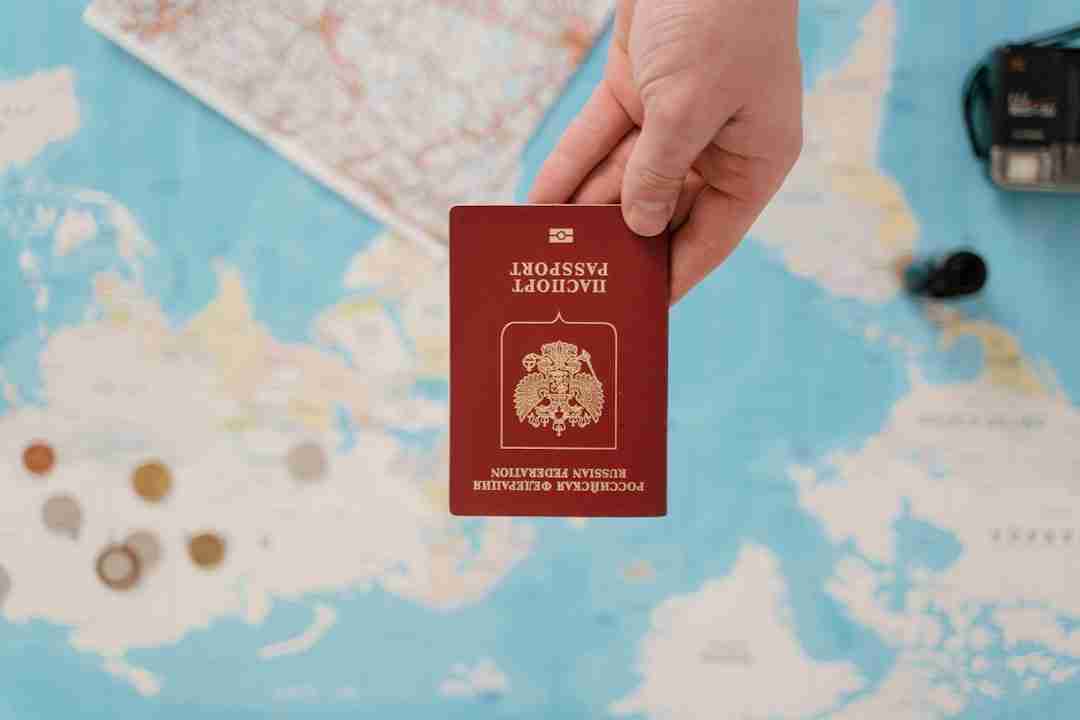
Navigating the visa requirements maze can feel like deciphering a foreign language on a bad day. Imagine standing in line at a consulate, clutching a stack of documents while wondering if you've missed a crucial step. It's a familiar scene for many expats, who often share tales of frustration and triumph as they navigate these bureaucratic labyrinths. But there's good news: by understanding the process and requirements, you can significantly reduce the stress and increase your chances of success.
Common Types of Visas and Their Specifics
The world of visas is vast, with each type serving a specific purpose. Whether you're planning to work, study, or simply explore a new country, knowing the right visa is crucial. Let's break down some common visa types and their specific requirements.
Work Visas: From Sponsorships to Skill Assessments
Work visas are the gateway for those seeking to earn a living abroad. However, these visas often come with stringent requirements. For instance, obtaining a work visa in Australia typically requires a job offer from a local employer, who must also be willing to sponsor your application. This process might seem straightforward, but it often involves a detailed labor market test to ensure no local worker is available for the job. Additionally, countries like Canada require potential expats to undergo a skills assessment to verify their qualifications.
The takeaway here is clear: securing a work visa often hinges on finding an employer who's willing to navigate the bureaucratic hurdles alongside you. Building relationships and demonstrating your unique skills can make all the difference.
Student Visas: Beyond Just Enrolling in a School
Studying abroad is an exciting prospect, but student visas entail more than just an acceptance letter. Many countries, including the United States, require proof of sufficient funds to cover tuition and living expenses. This proof often needs to be meticulously documented, showing bank statements or affidavits of support.
In the United Kingdom, student visa applicants must also demonstrate their English proficiency by passing a test like the IELTS or TOEFL. These requirements ensure that students can thrive in an English-speaking academic environment.
For those eager to study abroad, preparing these documents well in advance is key. Explore financial aid options or scholarships that might alleviate the financial burden, making the process smoother.
Tourist Visas: The Shorter, Yet Complex Route
Tourist visas might seem simpler due to their temporary nature, but they come with their own set of challenges. Many countries, such as Brazil, require visitors to provide proof of onward travel and accommodation bookings. Some even ask for a detailed itinerary of your stay.
China's tourist visa application process goes a step further by requiring a personal invitation letter from someone residing in China if you don’t have a hotel booking for your entire stay. Such nuances mean that even a short trip requires careful planning.
The lesson here is straightforward: always check the specific tourist visa requirements of your destination country well in advance to avoid any last-minute surprises.
Essential Documents: What You Absolutely Need
Regardless of the visa type, certain documents are universally required. Understanding these essentials can save you from the common pitfalls many expats face.
Passports and Their Validity: A Simple Yet Overlooked Detail
One of the most common reasons visa applications are rejected is due to passport issues. Most countries require that your passport is valid for at least six months beyond your planned departure date. This is a detail often overlooked by first-time applicants.
Ensure your passport has the necessary validity and sufficient blank pages for visa stamps. This simple check can prevent unnecessary delays in your application process.
Proof of Financial Means: More Than Just Bank Statements
Many visas require proof of financial stability. This doesn't just mean showing a bank statement with sufficient funds. Some countries, like Germany, might ask for a blocked account, where funds are deposited and only released in monthly installments to ensure you're financially secure throughout your stay.
For those without large savings, consider options like sponsorship letters from family members or financial guarantees from your host institution or employer.
The Role of Visa Consultants: When Professional Help Might Be Worth It
Visa applications can be overwhelming, especially if you're juggling work and personal commitments. This is where visa consultants come into play. But is their service worth the investment?
Weighing the Costs and Benefits
Visa consultants offer expertise and peace of mind. They guide you through the application process, ensuring all documents are in order and deadlines are met. This can be particularly beneficial for complex applications, such as those requiring translations or legalizations.
However, this service comes at a cost. Fees can range from a few hundred to several thousand dollars, depending on the complexity of the case and the country involved. For many, the benefits of a smooth, error-free application process outweigh the financial hit.
If you choose to hire a consultant, make sure they're reputable. Look for reviews and testimonials, and verify their credentials through official channels.
Handling Rejections: What to Do If Things Don't Go as Planned
Visa rejections are disheartening, but they're not the end of the road. Understanding the reasons behind a rejection can help you regroup and reapply successfully.
Common Reasons for Rejection
Rejections often stem from incomplete applications, insufficient proof of ties to your home country, or financial inadequacies. Each rejection comes with a detailed letter explaining the specific reasons. Use this feedback to address the issues before reapplying.
Consider reaching out to embassy officials for clarification or guidance. They can offer insights into the specific expectations and requirements for a successful application.
Steps to Take Post-Rejection
After receiving a rejection, gather all feedback and reassess your application. Pay close attention to any missing documents or insufficient proofs. Strengthen these areas and double-check for any overlooked requirements.
If you're unsure how to proceed, consulting with a professional or joining expat forums can provide valuable advice and support. Online communities like ExpatForum or Internations are excellent resources for firsthand experiences and guidance.
Real-Life Stories: Learning from Those Who've Been There
Hearing from others who've navigated the visa maze can offer both inspiration and practical tips. Here are a couple of real-life tales from expats who've successfully secured their visas.
Maria's Journey to Canada: Overcoming Financial Hurdles
Maria, a software engineer from Brazil, dreamt of working in Canada. Her biggest challenge was proving financial stability, as she didn't have significant savings. By securing a job offer with a reputable Canadian firm and obtaining a letter of financial support from her employer, she successfully navigated the financial requirements.
Her advice to fellow expats: leverage your skills to secure job offers that come with relocation packages. This not only strengthens your visa application but also eases the financial burden.
Tom's Experience in Japan: Dealing with Language Barriers
Tom, a British teacher, faced language barriers while applying for a work visa in Japan. Documents needed translation, and understanding the legal jargon was a challenge. By hiring a bilingual visa consultant, Tom ensured that his application met all requirements without misinterpretations.
His key takeaway: never underestimate the value of clear communication. If language is a barrier, seek professional translation services to avoid costly errors.
Final Thoughts: Your Next Steps in the Visa Journey
Embarking on the visa application process can be daunting, but with the right preparation, success is within reach. Start by researching the specific visa requirements for your destination, ensuring all documents are in order. Consider reaching out to professionals if needed, and don't hesitate to learn from the experiences of other expats.
Most importantly, remain persistent. Many have walked this path and found success. With determination and the right approach, you can join them, opening doors to new opportunities and adventures abroad.


