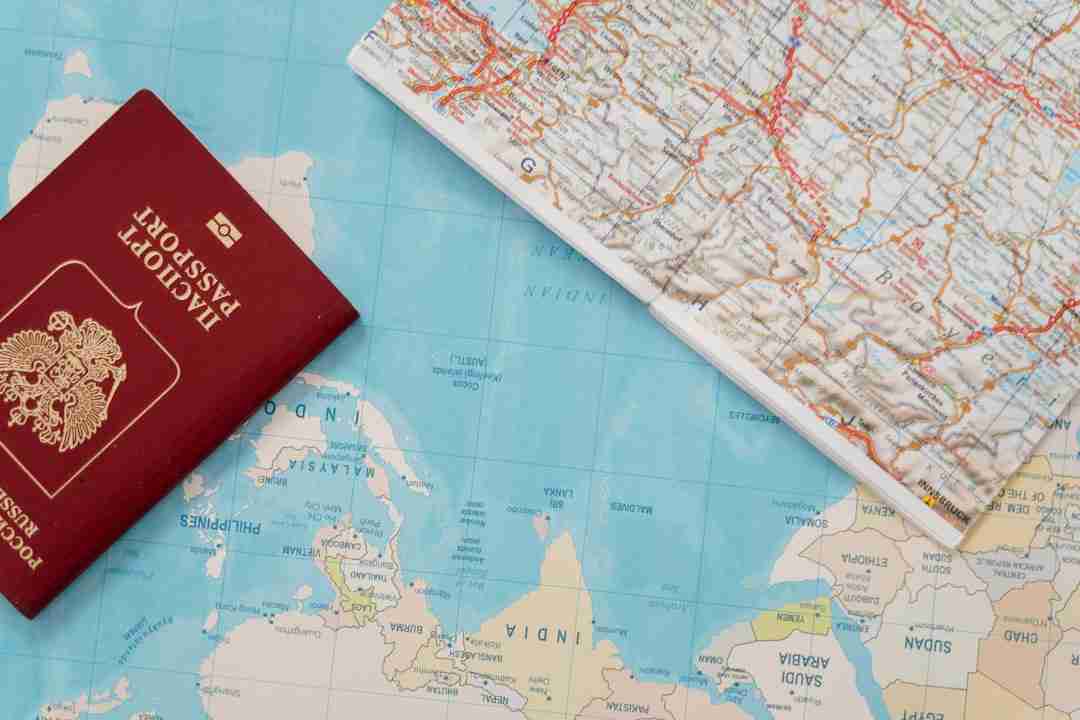
Imagine the thrill of an upcoming trip to a new country. The excitement of experiencing a different culture, tasting exotic foods, and seeing breathtaking landscapes. But then, a common oversight — visa rules — threatens to turn this dream into a bureaucratic nightmare. Avoiding such pitfalls requires more than just checking a few boxes. It means understanding the intricacies of visas, staying informed, and preparing diligently. Because no one wants to cut a trip short due to overlooked regulations.
Researching Visa Requirements: Different Rules for Different Passports
Visa requirements can vary dramatically depending on the passport you hold. For instance, citizens of the United States can travel to 185 countries visa-free or with a visa on arrival, according to the Henley Passport Index. In contrast, holders of passports from countries like Afghanistan or Iraq face more stringent restrictions, often requiring pre-arranged visas for most destinations.
The first step is determining whether a visa is needed. This can be done by checking official government websites or resources like the International Air Transport Association (IATA) Travel Centre. But here's the thing: don't just rely on a single source. Visa rules can change with little notice, and discrepancies can exist between different sources. Cross-checking information is crucial to avoid any last-minute surprises. Consider reaching out to embassies directly for the most accurate information, as they can provide insights into the latest requirements and any ongoing changes.
Timing Is Everything: Applying for Visas Well in Advance
Applying for a visa can be a time-consuming process. Some countries offer electronic visas or visa-on-arrival options, but others require applications weeks or even months in advance. For example, obtaining a tourist visa for China can take up to a month, depending on the applicant's nationality and the time of year.
It's advisable to start the visa application process as soon as travel plans are confirmed. Consider this: during peak travel seasons, consulates and embassies may experience backlogs, leading to longer processing times. Experts suggest applying for a visa at least two to three months before the planned departure date. This provides ample time to gather the necessary documentation, complete the application, and address any unexpected delays. Some travelers have found success by using expedited processing services, though these often come with additional fees.
Navigating Visa Types: Tourist, Business, and Beyond
Visas come in various types, each with specific purposes and restrictions. The most common are tourist and business visas, but there are also student, work, and transit visas, among others. Each type has its own set of requirements and limitations.
For example, a tourist visa typically prohibits any form of employment, even volunteering. In contrast, a business visa might allow for certain work-related activities, but not full-time employment. Understanding these distinctions is important. Violating visa terms, such as working on a tourist visa, can result in severe penalties, including deportation or a ban on future travel to that country.
To avoid these pitfalls, travelers should clearly understand the purpose of their visit and choose the appropriate visa. Consulting with travel agencies or immigration experts can provide clarity, especially for complex cases involving multiple visa requirements. Additionally, some countries offer special visas for digital nomads or remote workers, which can be an attractive option for those seeking long-term stays while working remotely.
Gathering Documents: What You Need and Why
Visa applications often require a plethora of documents. Commonly requested items include a valid passport, passport-sized photos, proof of accommodation, and a travel itinerary. Some countries might ask for additional documents like bank statements, proof of employment, or letters of invitation.
Each document serves a purpose. For instance, proof of accommodation and a travel itinerary demonstrate the applicant's intention to leave the country after their visit. Similarly, bank statements may be required to show financial stability during the stay.
Here's a tip: organize all documents in a digital format. Use cloud storage services like Google Drive or Dropbox to keep copies accessible and secure. This ensures that even if physical copies are misplaced, digital versions are readily available. When submitting documents, double-check that they meet all specified requirements, such as photo dimensions or the validity period of your passport.
Staying Informed: Changes in Visa Policies
Visa policies can change with little warning, influenced by political relations, security concerns, or other factors. Recent years have seen countries tightening or relaxing their visa requirements, sometimes seemingly overnight.
Travelers should stay informed about any changes in visa policies for their destination. Subscribing to travel forums, following travel advisories from the destination country's government, or using services like VisaHQ can provide timely updates. Social media platforms can also offer real-time insights from fellow travelers who may share recent experiences and tips.
Keeping an eye on the news can offer insights into potential changes. For example, trade tensions or diplomatic disputes between countries might lead to stricter visa regulations. Being proactive in monitoring these developments can prevent unwanted surprises. Additionally, some travel insurance plans offer coverage for visa-related issues, providing an extra layer of security.
Overstaying: Consequences and How to Avoid Them
Overstaying a visa, even by a single day, can have serious consequences. Many countries impose fines, detention, or even bans on future travel for those who overstay. For instance, overstaying a Schengen visa in Europe can result in a ban from the entire Schengen Area for several years.
To avoid overstaying, travelers should keep track of their visa expiration dates. Setting reminders on a smartphone or using apps like Notion to manage travel plans can be beneficial. If an extension is necessary, it's crucial to apply well before the visa expires. Most countries allow for extensions, but the process can vary widely and may require additional documentation or fees. Keeping a copy of your visa and entry stamps handy can also help in confirming your legal stay duration at any checkpoint.
Seeking Assistance: When to Consult a Professional
Navigating visa rules can be complex, particularly for long-term stays or specific activities like working or studying abroad. In such cases, professional assistance can be invaluable. Immigration lawyers or visa consultants possess the expertise to navigate intricate visa requirements and ensure compliance with local laws.
Hiring a professional might seem like an added expense, but it can save time and prevent costly mistakes in the long run. For those unsure about the visa process or facing unique circumstances, consulting a professional can provide peace of mind and streamline the application process. Some consultants even offer services to handle the entire application on your behalf, which can be particularly useful when dealing with language barriers or unfamiliar legal systems.
Immediate Action: Practical Steps for Today
To stay on the right side of the law while traveling, there are actionable steps that can be taken immediately. First, verify visa requirements for any upcoming trips, even if they are months away. Cross-check information from multiple sources to ensure accuracy. Next, set reminders for key dates: when to apply, visa expiration, and any deadlines for extensions.
Consider creating a checklist of required documents and begin gathering them well in advance. Digital organization tools can help keep everything in one place, making the application process smoother.
Finally, stay informed about any changes in visa policies. This can be as simple as subscribing to travel advisories or regularly checking official government websites. A proactive approach will not only ensure compliance but also enhance the overall travel experience.
Navigating visa rules might seem daunting, but with careful planning and attention to detail, it's entirely manageable. By taking these steps, travelers can focus on what truly matters: exploring new destinations and creating unforgettable memories.


