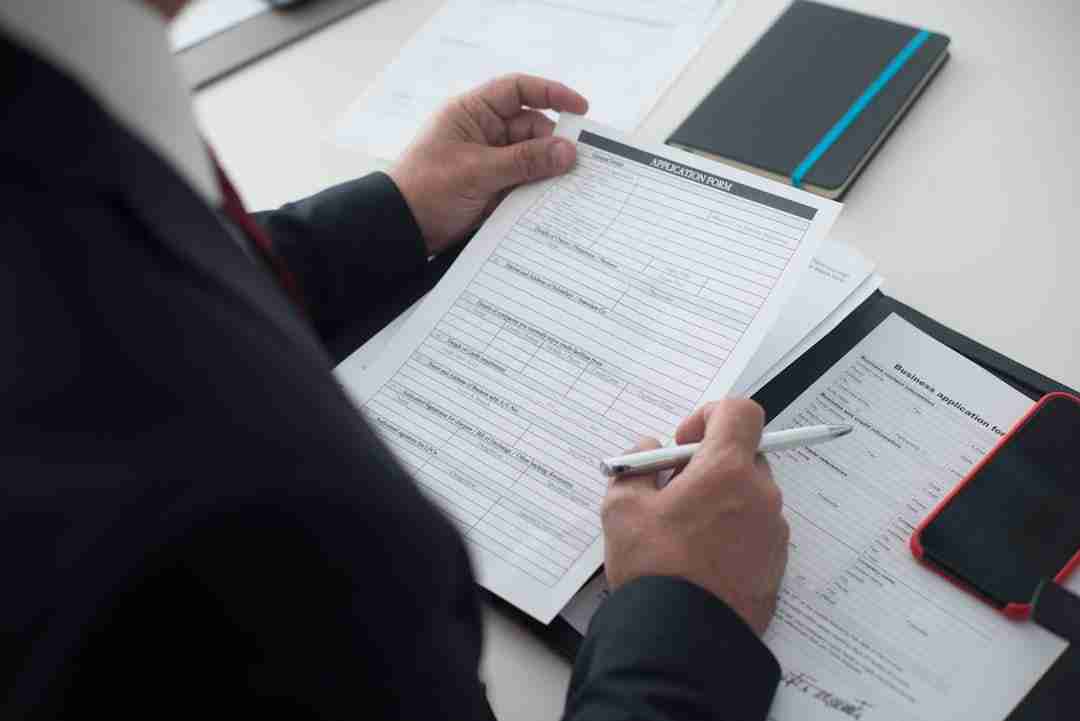
Traveling can be an exhilarating experience, but navigating the complex world of visas can quickly turn that excitement into a daunting task. Imagine planning a dream vacation to a far-off land, only to realize that the visa requirements are more complicated than anticipated. This isn't just a hypothetical scenario; it happens to travelers more often than one might think. Understanding visa requirements is essential to keeping your travel plans on track and stress-free.
The Schengen Visa: 26 Countries, One Visa
For those eyeing a European adventure, the Schengen visa is a popular choice. This visa allows you to travel across 26 European countries without the hassle of obtaining separate visas for each. But here's where it gets tricky: each Schengen country can have slightly different requirements for issuing this visa. Typically, you'll need to apply through the country where you'll spend the most time. If your stay is evenly split, apply through the country you'll enter first.
The standard requirements include a completed application form, a valid passport, travel insurance covering at least €30,000, proof of accommodation, and a detailed itinerary. But remember, additional documents like proof of financial means or a cover letter explaining your travel purpose might also be required. Processing times vary, often taking up to 15 days, so it's important to plan ahead. For more details, refer to the Schengen Visa Information site.
Practical Tips for the Schengen Visa
When preparing your Schengen visa application, ensure your passport is valid for at least three months beyond your planned departure date from the Schengen area. Additionally, your passport should have at least two blank pages for visa stamps. It's also beneficial to have a clear and concise travel itinerary that outlines your entry and exit points, as well as any intra-Schengen travel. This demonstrates your awareness of the visa requirements and your commitment to adhering to them.
E-Visa Systems: Convenient but Not Universally Accepted
Many countries are embracing technology by offering e-visa systems, making the application process more accessible. Countries like India, Turkey, and Australia offer e-visas, which can be applied for and obtained online without visiting an embassy. However, it's important to note that not all countries accept e-visas, and some only offer them for specific nationalities.
For instance, India's e-visa system is available to citizens from over 150 countries, covering tourism, business, and medical visits. The process is straightforward: fill out an online application, pay the fee (which varies depending on nationality and visa type), and receive the visa via email. However, ensure that you apply at least four days before traveling, as processing can take up to 72 hours. Visit the official Indian Visa Online portal for more information.
Maximizing the E-Visa System
To maximize the benefits of the e-visa system, double-check the specific entry points that accept e-visas, as some countries restrict entry through certain airports or seaports. It's also advisable to print a copy of your e-visa confirmation email and keep it with your travel documents, as some immigration officers may request a physical copy upon arrival.
Visa on Arrival: A Double-Edged Sword
Visa on arrival (VOA) can be a lifesaver when you decide on a last-minute trip. Countries like Thailand, Indonesia, and the Maldives offer this option, allowing you to obtain a visa upon entering the country. While this sounds convenient, there are a few caveats.
Firstly, VOA is often limited to specific nationalities, so always check if you're eligible. Secondly, the length of stay is usually short, often 15 to 30 days, and extensions can be complicated. Thirdly, some countries require proof of onward travel or a certain amount of cash to be shown at immigration. It's always wise to carry these documents even if they aren't explicitly listed. For a comprehensive list of countries offering VOA, check resources like Visa List.
Preparing for Visa on Arrival
To ensure a smooth VOA experience, have all required documents ready before reaching the immigration counter. This includes your passport, completed VOA form, onward travel ticket, and sufficient local currency for the visa fee. Being prepared can help expedite the process and reduce stress upon arrival.
The Intricacies of the U.S. Visa Waiver Program
The Visa Waiver Program (VWP) offers the possibility for citizens of 40 countries to travel to the United States for tourism or business without a visa, for stays of up to 90 days. However, travelers must apply for an ESTA (Electronic System for Travel Authorization) before boarding their flight.
The ESTA application is relatively simple and can be completed online, but it must be done at least 72 hours before travel. The authorization is valid for two years or until your passport expires, whichever comes first. It's important to note that having an ESTA doesn't guarantee entry into the U.S.; the final decision rests with the U.S. Customs and Border Protection officers. More information can be found on the U.S. Customs and Border Protection website.
Navigating the ESTA Process
Ensure that all information provided in your ESTA application matches your passport details exactly. Even minor discrepancies can lead to delays or denials. It's also wise to keep a copy of your ESTA approval email, either printed or saved on your mobile device, to avoid any confusion at the airport.
Work and Study Visas: Long-Term Commitment, Rigorous Requirements
If you're considering working or studying abroad, be prepared for a more rigorous visa application process. Work visas often require a job offer from a company in the host country, while study visas typically need an acceptance letter from an accredited institution.
For a work visa, employers may need to prove that no local candidates could fill the position, adding an extra layer of complexity. Study visas, on the other hand, often require proof of enrollment, financial statements, and sometimes even language proficiency tests. Countries like Canada and Australia have streamlined processes for these visas, but it's essential to start the application months in advance. Check the Canadian Immigration and Citizenship for more on work visas and study permits.
Preparing Your Application for Success
When applying for work or study visas, pay close attention to detail. Ensure all documents are correctly translated if they are not in the host country's official language. Seek advice from educational institutions or employers on common pitfalls and best practices to increase your application's success rate.
Bridging the Gap: Visa Consultants and Services
Navigating visa requirements can be overwhelming, and that's where visa consultants and services come in handy. These professionals offer tailored advice and handle paperwork, ensuring a smoother application process. However, this comes at a cost.
Consultants typically charge a service fee on top of the visa fee, but many travelers find the investment worthwhile for peace of mind. When choosing a consultant, ensure they are accredited and have positive reviews. Services like VFS Global offer comprehensive visa assistance for various countries.
Choosing the Right Consultant
To select a reliable visa consultant, research their track record and client testimonials. Look for consultants who specialize in the specific visa type you require, as their expertise can prevent common mistakes and delays. Always verify their accreditation with the relevant authorities.
Useful Tools and Resources for Visa Applications
In today's digital age, several online tools can simplify the visa application process. Websites like iVisa provide clear guidance on visa requirements for different nationalities and destinations. They also offer application services for a wide range of visas.
Apps like TripIt can help you organize your travel documents, including visas, in one place, ensuring you have everything you need at your fingertips. Additionally, government websites of the destination country often provide the most reliable and updated information, making them a valuable resource for travelers.
Leveraging Technology for Visa Success
Consider using visa tracking tools that notify you of your application's progress and any potential issues. Being proactive can help you address problems promptly and avoid travel disruptions. Ensure your devices are secure and up-to-date to protect sensitive information during online applications.
Acting Today: Start Your Visa Application Early
To ensure hassle-free travels, start your visa application process as early as possible. Research the specific requirements for your destination and gather the necessary documents in advance. If you're planning to visit multiple countries, check if any reciprocal agreements or regional visas, like the Schengen or ASEAN visas, can simplify your journey.
Remember, visa requirements can change, so always verify the latest information on official government websites or trusted resources. By tackling the visa process head-on, you can focus on what truly matters: making unforgettable memories on your travels.


