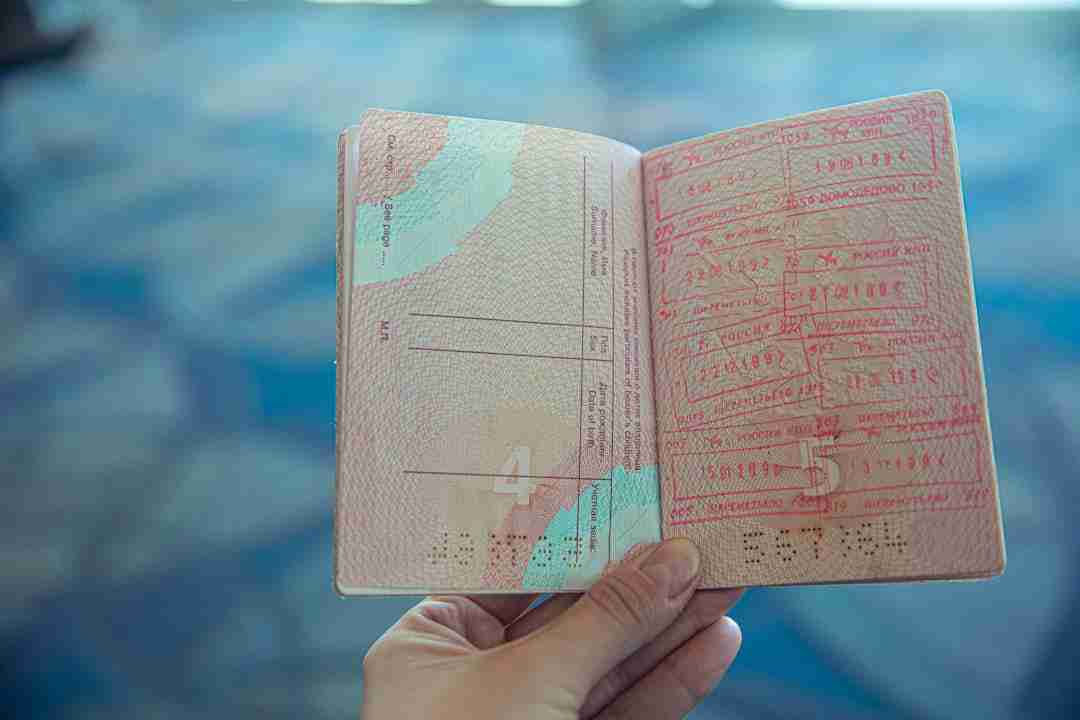
Imagine this: you're standing at the airport, bags packed, ticket in hand, ready to embark on the adventure of a lifetime. Then a swift reality check—you're stopped at immigration. Why? A minor visa oversight. This isn't just a story. It's a reality for many travelers who overlook the importance of visa compliance. Navigating these hurdles doesn't have to be daunting, though. With a well-prepared checklist, you can ensure smooth travels and avoid those all-too-common pitfalls.
The Power of Research: 90-Day Rule and Beyond
Understanding visa requirements is crucial. Many countries have a 90-day rule for tourists—stay beyond that without the proper visa, and you risk fines or deportation. The Schengen Area, for instance, is notorious for its strict enforcement. Travelers can spend up to 90 days within 180 days across 26 European countries. But it's not just Europe. Thailand, Australia, and even the United States have their own nuanced policies.
For example, in Thailand, a standard tourist visa allows a stay of 60 days, which can be extended for an additional 30 days. However, the process involves visiting an immigration office, filling out forms, and paying a fee. In contrast, the United States follows a different rule under the Visa Waiver Program, allowing certain nationalities to visit for up to 90 days without a visa, but this involves pre-travel authorization through the Electronic System for Travel Authorization (ESTA).
Before any trip, research is your best friend. Visit official government websites or consult reliable resources like VisaHQ and iVisa for detailed information. Always verify the visa type required for your activities—tourism, business, or work. Each has distinct regulations.
Takeaway: Mark your calendar with visa expiry dates and plan your itinerary accordingly. If you're close to the limit, it's time to move on or apply for an extension. It's also wise to keep an eye on political developments in your destination country, as changes in diplomatic relations can impact visa policies unexpectedly.
Budgeting for Visa Fees: A Hidden Travel Cost
Visa fees can vary dramatically. A US tourist visa currently stands at $160, while a visa for India might cost $25, depending on nationality and visa type. These costs can add up, especially for long-term travelers or those visiting multiple countries. Then there's the fast-track processing fee. Need your visa urgently? Be prepared to pay extra.
In addition to the base fee, some countries charge for biometric data collection or additional services. For instance, the United Kingdom requires a separate fee for priority services if you need a faster processing time. Moreover, when applying in certain countries, one might face additional costs such as travel insurance, requisite for some visas, adding to the total expense.
Setting aside a dedicated budget for visa applications can save you from unexpected financial strain. Use platforms like Wise for currency conversion and fee calculations, ensuring you know exactly what you're paying.
Takeaway: Always have a little extra in your travel budget for visa-related expenses. It's better to be over-prepared than caught off-guard. Consider creating a spreadsheet to track all your travel-related expenses, including visas, to maintain a clear financial overview.
Timing is Everything: Application Processing Times
Visa processing times can range from a few days to several months. For instance, a UK visa might take three weeks, while a Canadian visa could take months, especially during peak travel seasons. This isn't always straightforward, as processing times can depend on a variety of factors including nationality, documentation, and even political situations.
It's important to note that during holiday seasons or when political situations are tense, processing times can extend unpredictably. Some travelers have found themselves missing out on pre-booked tours or flights due to delays. To mitigate such risks, prioritize visa applications as soon as travel plans are confirmed.
Applying too late can lead to missed flights and canceled plans. Many find that applying at least three months in advance is a safe bet. Always check the consulate or embassy's website for the most accurate processing times.
Takeaway: Start the visa application process as soon as your travel plans are confirmed. The earlier, the better. It's also a good idea to keep a buffer period between receiving your visa and your intended travel date, just in case there are unforeseen delays.
The Documentation Game: Keeping Paperwork in Order
Visa applications often require a significant amount of paperwork. Commonly requested documents include proof of financial stability, travel insurance, accommodation details, and a return ticket. Some countries might ask for additional documents like an invitation letter or employment verification.
In addition to these, certain countries require medical records or proof of vaccinations, especially in light of recent global health concerns. For example, travel to some African countries necessitates a Yellow Fever vaccination certificate. Being aware of these requirements well in advance can save you from last-minute scrambles.
Staying organized is key. Use a digital tool like Google Drive or Notion to store scanned copies of important documents. This way, you have access to them anytime, anywhere. Having both digital and physical copies ensures you're covered in situations where internet access is limited.
Takeaway: Create a checklist for each visa application. Double-check all documents before submission to avoid delays. Consider using apps that offer checklists for travel preparation to ensure no document is overlooked.
Digital vs. Physical: Understanding e-Visas and Visa on Arrival
The rise of e-Visas has simplified the application process for many travelers. An e-Visa allows you to apply online and receive your visa electronically, eliminating the need for embassy visits. Countries like Turkey and Vietnam offer e-Visas, which can be a real time-saver.
However, e-Visas often have limitations. Some are only valid for single entry, so if you plan on leaving and re-entering the country, you'll need to apply again. Ensure you understand these restrictions to avoid any inconvenience during your travels.
On the other hand, some destinations offer visas on arrival. But beware—these can be risky if you're not fully prepared. Long queues, unexpected fees, or even denial of entry are possible scenarios. In some cases, travelers have been required to provide evidence of onward travel or sufficient funds, which, if not prepared for, can lead to entry denial.
Takeaway: Research the e-Visa and visa-on-arrival options for your destination. If opting for a visa on arrival, ensure you have all necessary documentation and exact cash for fees. Always cross-check the latest information on official government websites to prevent any last-minute surprises.
Navigating Visa Extensions: When Plans Change
Sometimes, travel plans change. Whether it's falling in love with a city or needing more time for business, extending a visa might become necessary. However, not all countries are lenient with extensions. In Thailand, for example, a tourist visa can be extended once for an additional 30 days, while other countries might require you to leave and reapply.
In Japan, for instance, extending a visa involves a thorough assessment of your reasons and is not guaranteed. Failure to comply with the proper extension process can result in being flagged for future entries. This underscores the importance of understanding each country's unique requirements.
Experts suggest initiating the extension process well before your current visa expires. Visit the local immigration office or consult a professional service for guidance. It's also worth networking with fellow travelers or expats who might offer insights based on their experiences.
Takeaway: Familiarize yourself with the extension policies of your destination. Always have a backup plan in case an extension is denied. Consider travel insurance that covers unexpected changes in your itinerary, providing peace of mind if plans need to be altered.
Staying Compliant: The Consequences of Overstaying
Overstaying a visa can lead to severe consequences. Fines, deportation, and even bans from re-entering the country are possible outcomes. In some countries, like the United Arab Emirates, overstaying for even a day can result in hefty fines.
For instance, in the Schengen Area, overstaying can lead to a re-entry ban that ranges from one year to several years, depending on the severity of the overstay. Travelers who have overstayed their visas often face increased scrutiny on future trips, which can complicate travel plans.
The best approach is prevention. Set reminders, track your travel days, and always abide by your visa conditions. Use apps like TripIt to manage your itinerary and receive alerts as your visa expiration approaches.
Takeaway: Always respect the visa rules of the country you're visiting. The risk of overstaying is rarely worth the trouble it can cause. Prepare for your trip with a detailed travel plan, and ensure all components align with your visa requirements.
Embracing the Visa Process: A Gateway to Adventure
While the visa process might seem like a tedious chore, it is, in reality, a gateway to new experiences and adventures. Proper preparation and understanding of visa rules allow you to focus on the excitement of exploring new cultures, cuisines, and landscapes. Remember, each step taken in preparing for your visa is a step closer to the adventures that await. Embrace this process with diligence and enthusiasm, and your travels will be all the smoother for it.