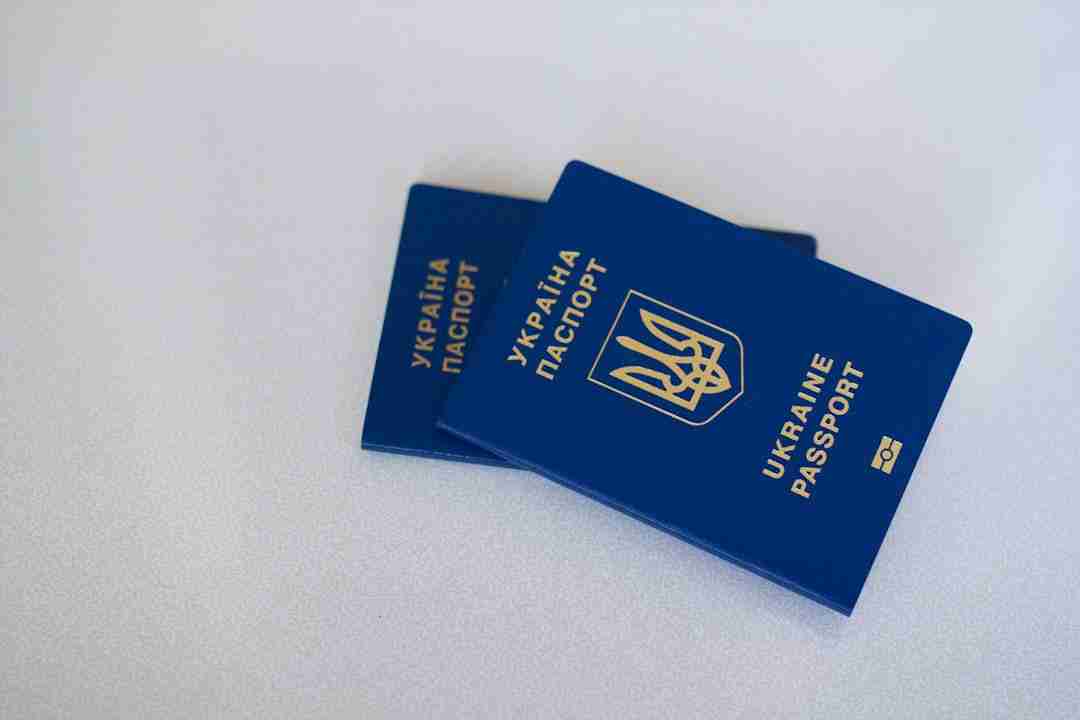
Imagine deciding on a fresh start in a foreign land, eager to embrace new experiences and cultures. There's excitement in the air, but lurking behind every corner are legal challenges that can turn this dream into a headache. Navigating the legal landscape of a new country isn't always straightforward. It requires awareness, preparation, and sometimes, a bit of patience. Missteps can lead to fines, deportation, or worse. Here's how to sidestep those pitfalls and keep the expat life as adventurous as it should be.
Visa Woes: Avoiding the Stamp of Disapproval
Securing the right visa is often the first hurdle for expats. It's not just about getting into the country—it's about staying there legally. Different countries have varying visa requirements that can change frequently. For example, in Australia, a working holiday visa might be an option for younger individuals, but it comes with specific age and nationality restrictions. On the other hand, countries like Japan offer specific visas for teaching English, but only if you meet their educational qualifications.
The key here is research and double-checking. Many find it helpful to consult official government websites or trusted resources like VisaHQ for up-to-date information. Keeping abreast of any changes can prevent unpleasant surprises at immigration. Experts suggest applying for visas well in advance, as processing times can vary significantly, sometimes taking several months. It is also wise to prepare all required documentation meticulously, including proof of income, employment contracts, and educational certificates, to avoid delays and rejections.
Taxes: The Unavoidable Reality
Living abroad doesn't exempt one from tax obligations. In fact, it often means dealing with taxes both in the new country and back home. For instance, American expats must file U.S. taxes regardless of where they reside, thanks to the country's citizenship-based taxation system. This dual taxation can be a complex web to untangle.
Hiring a tax professional familiar with international tax laws is highly recommended. They can help navigate tax treaties, which might mitigate double taxation. Greenback Expat Tax Services is one such resource that specializes in assisting American expats. Understanding local tax laws is equally crucial; some countries have hefty penalties for non-compliance. For example, failing to file taxes in countries like Germany or France can result in significant fines or even legal actions, making it imperative to stay informed and compliant.
Healthcare: More Than Just Insurance
Healthcare can be a significant concern while living abroad. Some countries offer national healthcare systems that are accessible to expats, but others require private insurance. In places like Germany, expats are mandated to have either public or private health insurance. The cost of private insurance can vary widely, sometimes reaching hundreds of dollars per month.
It's wise to explore options like Cigna Global for comprehensive international health insurance. Many expats also recommend checking if the destination country requires any specific vaccinations or medical checks before arrival. Ensuring access to quality healthcare is not just about compliance—it's about peace of mind. Additionally, understanding the local healthcare system can save time and stress; knowing where to find the nearest hospital or which local clinics offer English-speaking services can be invaluable in emergencies.
Housing Contracts: Reading the Fine Print
Securing a place to live might seem straightforward, but housing contracts often contain clauses that can catch the unwary off guard. In cities like Tokyo, rental agreements might include key money—an upfront fee paid to the landlord without a contractual obligation to return it. Similarly, in Paris, landlords often require extensive documentation, including proof of income and a guarantor.
Before signing any contract, a thorough understanding is essential. It's advisable to have a local or legal professional review the terms. Platforms like Airbnb, while useful for short-term stays, might not always provide the security and guarantees needed for long-term living. Always ensure that rental agreements are clear, particularly concerning maintenance responsibilities and deposit returns. In some places, such as Hong Kong, renters may need to be aware of the legal process for disputing damages or charges deducted from security deposits, which can be a common area of conflict.
Employment Laws: More Than Just a Paycheck
For those working abroad, understanding employment laws is crucial. This includes knowledge of visa regulations, work permits, and local labor laws. In the United Arab Emirates, for example, employment contracts must align with the labor laws, which may differ significantly from Western countries regarding working hours and termination procedures.
Consulting with an employment lawyer or a local HR professional can provide clarity on contractual obligations and employee rights. This step can help avoid situations that might lead to job termination or legal disputes. Websites like Workpermit.com offer information that can be invaluable for those navigating the complex world of international employment. Moreover, staying informed about the local job market trends and salary standards can help in negotiating fair employment terms and ensuring compliance with labor laws.
Local Laws and Customs: Respecting the Unwritten Rules
Beyond the formal legal landscape, understanding local customs and unwritten rules is critical. In Singapore, chewing gum in public can lead to fines, while in Saudi Arabia, dressing modestly is not just a suggestion but a legal requirement. Ignorance of these local laws can lead to unintended offenses.
Taking the time to learn about the social norms and legal expectations can prevent uncomfortable or even illegal situations. Engaging with local communities and expat networks can provide insights into the do's and don'ts that aren't immediately obvious. Reading local news and joining forums like Expat.com can offer real-life insights and experiences from fellow expats. For example, understanding the etiquette of gift-giving in Japan or the importance of punctuality in Germany can facilitate smoother social interactions and integration.
Driving and Transportation: Navigating the Roads Less Traveled
For many, driving in a foreign land is a necessity rather than a choice. However, each country has its own set of rules regarding driving licenses and road regulations. In Italy, for instance, an International Driving Permit (IDP) is required alongside a valid foreign license. Failing to carry the correct documentation can result in hefty fines or even vehicle impoundment.
Renting or buying a car requires additional legal considerations, including insurance and registration. Using services like Avis can simplify the process of renting a car with all necessary legal requirements met. For those relying on public transportation, understanding local ticketing systems and regulations is equally important to avoid fines. It is also advisable to familiarize oneself with local traffic laws, such as speed limits and parking regulations, to avoid unexpected penalties.
Banking and Money Transfers: Safeguarding Your Finances
Managing finances across borders can present unique legal challenges. Opening a bank account in a new country often requires proof of residence and identification, which can be a cumbersome process. Countries like Switzerland have strict banking regulations that require careful navigation.
Using international banking services like HSBC Expat can offer solutions tailored to expats, including multi-currency accounts and international money transfers. It's also important to be aware of currency exchange regulations and potential restrictions on money transfers to avoid legal issues and ensure financial stability. Additionally, being aware of the fees associated with international transactions and choosing services that offer competitive rates can help in managing finances efficiently.
Language Barriers: Translating Legalese
Language can be a significant barrier to understanding legal documents and requirements. Even in countries where English is widely spoken, official documents are often in the native language, filled with complex legal jargon. This can lead to misunderstandings or unintentional non-compliance.
Hiring a professional translator or using translation services for critical documents is often recommended. Tools like DeepL can assist with immediate translations, but for official matters, a certified translator ensures accuracy and legality. Understanding what's being signed is crucial to avoid future legal complications. It is also beneficial to learn basic legal terms in the local language, as this can aid in navigating everyday legal situations more effectively.
Conclusion: Legal Readiness Equals Peace of Mind
Living as an expat can be an enriching and rewarding experience, but it's not without its legal pitfalls. By staying informed, seeking professional assistance when needed, and respecting local laws and customs, expats can dodge these challenges and focus on what truly matters—embracing the adventure of living in a new part of the world. Armed with the right knowledge and tools, today's expats can turn potential legal minefields into manageable paths, ensuring their international journey is as seamless as possible.


