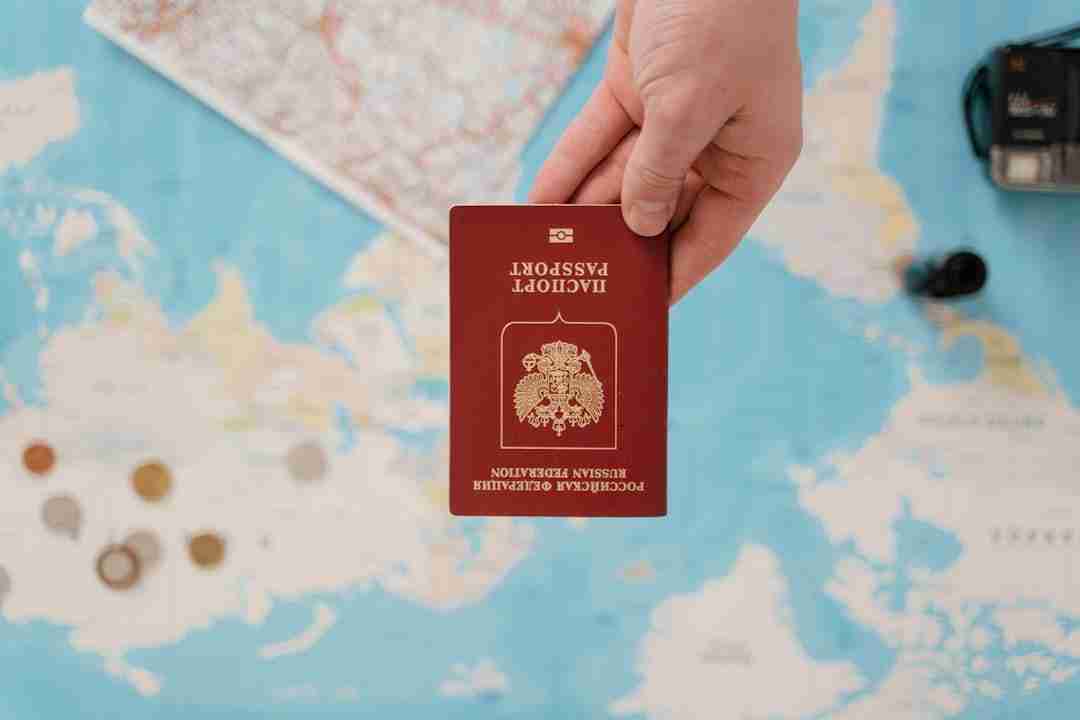
Imagine this: your trip abroad is going splendidly, but suddenly, you realize your visa is about to expire, and you're not ready to leave. Panic sets in. Navigating the complexities of visa extensions can be daunting, especially when you're in a foreign country. The good news is, it doesn't have to be stressful. With the right approach and resources, you can extend your stay without losing your mind.
Understanding Visa Types and Their Impact on Extensions
First things first, knowing your current visa type is crucial. Each visa has its own set of rules and requirements for extension. Tourist visas, student visas, and work visas all have distinct stipulations. For example, a tourist visa might offer a shorter extension period compared to a student visa. Research shows that understanding these specifics can prevent unnecessary complications.
If you're on a tourist visa, extensions might be limited or even unavailable in some countries. For instance, while countries like the United States might allow you to request an extension, places like Japan are typically stricter, often requiring you to leave and reapply for a new visa. Many find that student visas offer more flexibility, especially if you're enrolled in a longer-term program. In contrast, work visas might require employer sponsorship for an extension, which can involve additional paperwork and fees. The key is to check the specific rules associated with your visa type. Websites like VisaHQ provide detailed information on visa categories and extension possibilities.
Timing is Everything: When to Apply for an Extension
Timing can make or break your visa extension process. Authorities often recommend applying for an extension at least one month before your current visa expires. This window allows ample time to gather necessary documents, complete forms, and address any issues that might arise.
But here's the thing: some countries are stricter about this timeline than others. In nations like Australia, applying too close to the expiration date can result in automatic denial. On the other hand, countries like Thailand might offer a grace period. Consider the case of Italy, where applications for an extension are strictly accepted only if submitted before the visa expiration date. Always check the local immigration office's guidelines or consult their official website for specific deadlines.
Gathering the Right Documentation
Documentation is the backbone of your extension application. Missing or incorrect documents can lead to delays or denials. So, what do you need? Typically, you'll require a valid passport, a completed application form, proof of financial means, and sometimes a letter explaining the reason for your extension request.
Consider this: if you're extending a student visa, your school might need to provide a statement confirming your enrollment status. For work visas, a letter from your employer is often necessary, sometimes including details about your role and the necessity of your continued presence in the country. Keeping digital copies of these documents in a cloud service like Google Drive can save you from last-minute scrambles. Organizing documents into folders by visa type and date can also streamline the process and prevent any missing paperwork.
Fees and Processing Times: What to Expect
Visa extensions are rarely free. Expect to pay a fee, which varies by country and visa type. For instance, extending a visa in the United States might cost upwards of $370, while a similar process in Malaysia could be as low as $30. Understanding these costs upfront can help in budgeting for your extended stay.
Processing times also differ significantly. Some countries process extensions within a week, while others might take several weeks. For example, the UK typically processes visa extensions within 8 weeks, but expedited services are available for an additional fee. It's wise to check with your local immigration office or their website for precise processing times and fees. In Germany, for instance, although the process can be completed in as little as two weeks, it is advised to apply at least six to eight weeks in advance due to potential backlogs.
Using Technology to Manage Your Application
In this digital age, technology can be a lifesaver when managing visa extensions. Many countries now offer online application processes, which can be more efficient than traditional methods. Utilizing official government portals means you can track your application status in real-time.
Apps like Notion can help organize your visa-related tasks and deadlines. Setting reminders for application dates and keeping a digital copy of all necessary documents can streamline the process. Additionally, some countries have mobile apps specifically for visa applications, offering step-by-step guidance and updates. For instance, South Korea's HiKorea app provides foreign residents with detailed instructions and direct submission options for visa extensions.
Considerations for Special Circumstances
Life is unpredictable, and sometimes circumstances require special consideration. Whether it's a family emergency or a global event like a pandemic, understanding how these situations affect visa extensions is vital. During COVID-19, many countries relaxed their extension policies, offering leniency to those unable to travel. In New Zealand, for example, automatic extensions were granted to many visa holders unable to return home.
If an emergency arises, contacting your local embassy or consulate is essential. They can provide guidance and might expedite your application under certain conditions. Remember, honesty and clear communication with immigration officials can go a long way in these situations. In some cases, embassies might offer temporary travel documents or emergency extensions to ensure you can meet your needs without legal complications.
What to Do If Your Extension is Denied
Rejection isn't the end of the road, though it can feel like it. If your extension is denied, understanding the reason is crucial. Commonly, denials occur due to incomplete applications, missing documents, or applying too late. Reviewing the rejection notice can provide insights into what went wrong.
Once identified, addressing these issues promptly can lead to a successful reapplication. Some countries allow appeals or reconsideration requests. Consulting with an immigration attorney or an official immigration advisor might be worthwhile, especially if your situation is complex. In countries like Canada, for instance, an immigration consultant can guide you through a reconsideration request, potentially turning a denial into an approval.
Exploring Alternative Legal Options
If reapplication or appeal does not seem viable, exploring alternative legal options can be beneficial. Some countries offer different visa categories that might be more suited to your extended stay. For instance, if a tourist visa extension is denied in a Schengen country, applying for a long-stay visa might be an alternative. These visas often have different requirements and application processes but might align better with your circumstances.
Additionally, some countries offer residency permits or specialized visas for specific situations, such as family reunification or business activities. Researching these options and consulting with immigration experts can provide new pathways for extending your stay legally and comfortably.
Final Thoughts: Taking Action Today
Visa extensions can indeed be complex, but with the right preparation, stress can be minimized. Start by understanding your visa type and its specific extension rules. Plan ahead, gather the necessary documentation, and utilize technology to keep everything organized. If you encounter obstacles, remember that resources like local embassies, immigration websites, and professional advisors are there to help.
Taking action today means less stress tomorrow. Being proactive and informed can transform the visa extension process from a daunting task into a manageable part of your travel journey. Whether it's a simple tourist extension or a more complex work visa situation, the steps outlined here aim to empower you with the knowledge to navigate the process efficiently.