Learning a new language is an exhilarating journey, especially when you have the chance to immerse yourself in the culture that speaks it. Mastering a language abroad can happen faster than you might think, provided you employ the right strategies. Let’s dive into these 10 tips that promise to accelerate your language learning process while living abroad.
Dive Headfirst into the Local Culture
One of the most effective ways to master a language abroad is to immerse yourself in the local culture. This means not just learning the language but living it. Attend local events, festivals, and gatherings. For instance, if you’re in Spain, participate in La Tomatina or the Running of the Bulls. These experiences offer more than just the thrill; they provide an opportunity to hear the language used in its most natural context.
Take the example of my friend, Emily, who spent a year in Japan. She joined a local tea ceremony group, where she not only learned the nuances of Japanese culture but also picked up the language faster by listening and conversing with native speakers in an informal setting. Emily found that her participation in traditional Japanese activities like the tea ceremony, calligraphy classes, and even local cooking sessions helped her understand the context and subtleties of the Japanese language. Such immersive experiences are invaluable for speaking like a local because they teach you the cultural references and idiomatic expressions that you won’t find in textbooks.
Engage with Locals
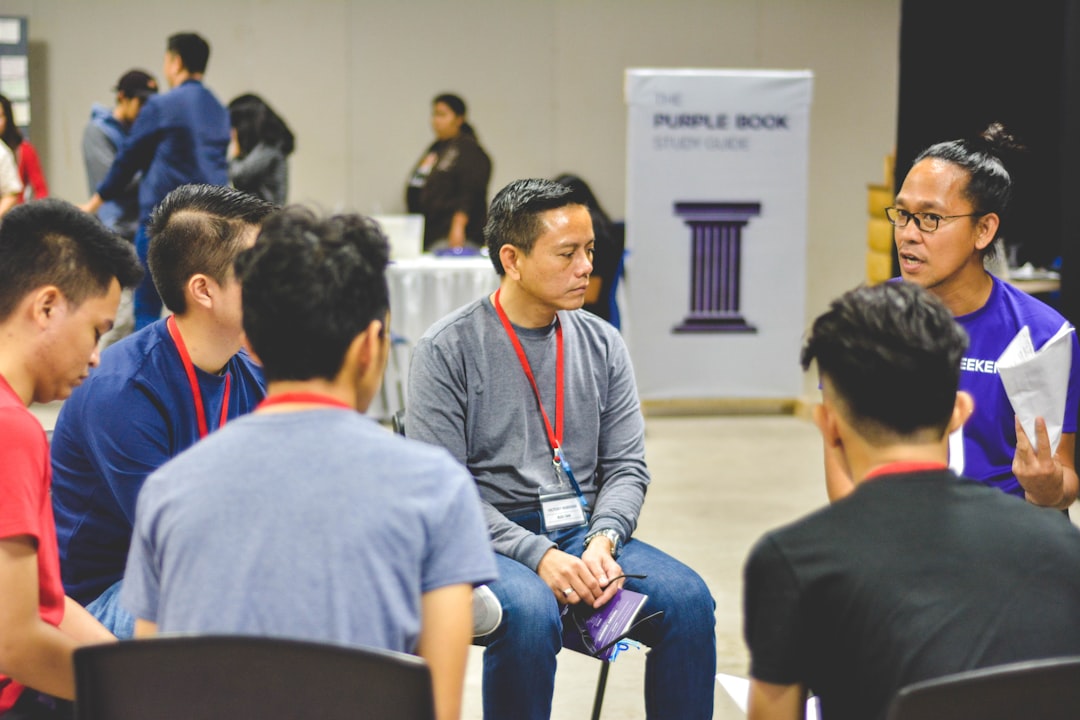
While it might be tempting to stick with expatriates or other foreigners, engaging with locals is a surefire way to improve your language skills. This involves more than just casual conversations; it’s about forming relationships and learning from them. Try to make friends with local people who are open to sharing their language and culture with you.
Language exchange meetups are an excellent way to do this. These are often organized in many countries, where you can meet locals who are interested in learning your language, creating a mutually beneficial environment. For example, if you’re in Germany, you might find a tandem partner who wants to practice English while helping you with German. This reciprocal learning can greatly accelerate your proficiency. My cousin, Tom, who moved to Berlin, found a language partner through a local Meetup group. They met weekly at a café, discussed various topics, and over time, developed a friendship that enriched Tom’s understanding of both the German language and culture.
Practice, Practice, Practice
Practice is the backbone of mastering any language. Make it a point to practice speaking every day, even if it’s just for a few minutes. Use language apps like Duolingo or Babbel to reinforce your vocabulary and grammar on the go. However, don’t rely solely on these apps; use them as a supplement to real-world practice.
Consider setting daily goals for yourself. For example, aim to learn five new words every day and use them in sentences. This technique was used by my colleague, Sarah, who moved to Brazil. By consistently expanding her vocabulary in manageable chunks, she was able to hold conversations confidently within a few months. Sarah also joined a local book club where she read Portuguese novels and discussed them with native speakers, which further enhanced her vocabulary and comprehension skills.
app on smartphone](placeholder)
Surround Yourself with the Language
Create an environment where the language is always present. This could be through listening to local radio stations, watching TV shows, and reading newspapers in the target language. If you’re in France, for instance, tune into French news channels or watch popular French shows on Netflix. This constant exposure helps you grasp the language’s rhythm and intonation naturally.
A practical tip is to label items around your home with their names in the target language. This visual aid reinforces vocabulary and helps you think in the language. My cousin who moved to Italy did this and found it incredibly effective, as it turned mundane daily activities into learning opportunities. Additionally, she set her phone and computer interfaces to Italian, which forced her to adapt to the new language in her daily digital interactions.
Take a Local Language Course
Enrolling in a local language course can provide structured learning and professional guidance. These courses often focus on grammar and vocabulary while offering speaking and listening practice. Many countries offer language courses specifically designed for foreigners, taught by experienced instructors who can tailor lessons to your needs.
For instance, when I moved to Korea, I took a beginner’s course at a local university. The structured environment helped me build a strong foundation, and the interaction with fellow students provided additional practice. Moreover, the course included cultural lessons, which enhanced my understanding of both the language and the culture. The instructors often organized field trips to local markets and historical sites, where we practiced the language in real-world settings, making the learning experience both practical and memorable.
Keep a Language Journal
Maintaining a journal in the language you are learning can significantly improve your writing skills. Try to write at least a few sentences each day about your experiences, thoughts, or plans. This practice encourages you to actively use new vocabulary and grammar structures.
A former coworker who relocated to Argentina found this method particularly useful. By writing about her daily life in Spanish, she not only improved her writing skills but also gained confidence in expressing complex ideas over time. She also shared her journal entries with a local friend who provided feedback and corrections, which helped her understand and apply grammar rules more effectively.
Be Patient and Persistent
Language learning is a marathon, not a sprint. It’s important to be patient with yourself and remain persistent in your efforts. There will be days when you feel progress is slow or when the language seems overwhelmingly complex. During these times, remind yourself of the reasons you started and the goals you have set.
Celebrate small victories, like successfully ordering a meal in a restaurant or understanding a conversation on the bus. These milestones are evidence of your progress and can motivate you to keep going. A friend who moved to China used to reward herself with a small treat every time she reached a new milestone in her Mandarin learning journey, which kept her motivated. She also joined a local hiking group, which not only improved her physical fitness but provided regular opportunities to practice and enhance her language skills in an enjoyable setting.
Leverage Technology
In today’s digital age, technology can be your best ally in language learning. Use translation apps like Google Translate for instant help with unfamiliar words and phrases. Language exchange platforms like Tandem or HelloTalk connect you with native speakers for practice and feedback.
Additionally, consider using language learning podcasts to practice listening skills. These podcasts often come with transcripts and exercises, providing a comprehensive learning experience. A former classmate used to listen to Spanish podcasts during her commute in Mexico City, which significantly improved her listening comprehension and pronunciation. She also used YouTube to follow Spanish-speaking influencers, gaining exposure to everyday language use and cultural trends.
Participate in Community Activities
Getting involved in community activities is another fantastic way to practice a language in a relaxed setting. Whether it’s volunteering at a local charity, joining a sports team, or attending workshops, these activities offer opportunities to use the language in context.
For example, when I lived in Brazil, I joined a local capoeira group. This not only helped me improve my Portuguese but also provided insights into Brazilian culture and history. Engaging in such activities allows you to learn colloquial expressions and slang, making your language use more natural and authentic. Another friend of mine volunteered at a local animal shelter in France, where she interacted with both staff and visitors, greatly enhancing her conversational skills in a practical and rewarding environment.
Stay Curious and Open-Minded
Finally, maintaining a curious and open-minded approach to language learning can greatly enhance your experience. Embrace the differences you encounter and be willing to learn from mistakes. Every interaction is an opportunity to improve and to understand the culture more deeply.
Consider learning about the history and traditions related to the language. This deeper knowledge enriches your understanding and appreciation, making the learning process more meaningful. A friend of mine who moved to Morocco spent time learning about Berber culture and language, which not only improved her Arabic but also gave her unique insights into the region’s diverse heritage. By visiting museums, attending lectures, and reading about historical events, she gained a broader perspective that made her language learning journey more engaging and rewarding.
In conclusion, mastering a language abroad is a multifaceted journey that involves immersion, practice, and an open mind. By engaging with locals, participating in cultural activities, and leveraging technology, you can accelerate your learning process significantly. Remember to be patient and persistent, celebrating every small victory along the way. With these 10 tips for mastering language abroad fast, you will find yourself speaking like a local in no time. Happy learning!


