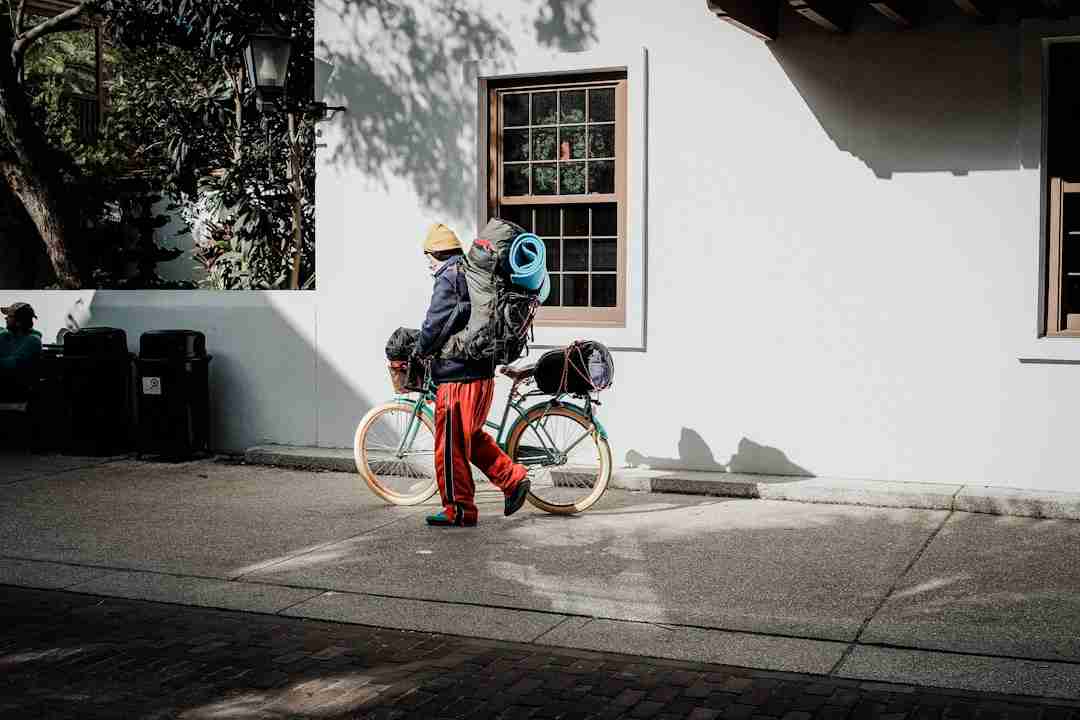
Imagine waking up to a sunrise over the Grand Canyon, sipping coffee while parked on a lush hillside in Tuscany, or working from a cozy café in Kyoto. For many, this is the dream of a nomadic lifestyle. But here's the catch—living light on the road, especially sustainably, requires more than just wanderlust. It's about embracing minimalism and making conscious choices that not only benefit the traveler but also the planet.
The 50/30/20 Packing Rule for Nomads
Minimalism on the road starts with packing smart. One effective strategy experts suggest is the 50/30/20 rule. Here’s how it works: 50% of your luggage should be essentials, 30% personal items, and 20% can be superfluous yet joy-bringing items. Essentials might include clothing, toiletries, and travel documents. Personal items could be your laptop or camera. That 20%? Maybe it’s a book or a small memento that lifts your spirit.
Consider this: The average backpacker carries around 40 liters of gear on extended trips. By applying the 50/30/20 rule, you're streamlining what you bring, reducing unnecessary weight, and ensuring that every item has a purpose. This approach not only simplifies packing but also lightens your carbon footprint by encouraging you to opt for quality over quantity. This method can also help reduce travel stress, as having fewer items means less to keep track of, making it easier to move quickly from one location to another without the hassle of excess baggage.
Embracing Digital Tools for a Clutter-Free Life
In the digital age, traveling light is easier than ever. Many find that using cloud-based services can significantly reduce physical clutter. Tools like Google Drive and Notion allow you to store important documents online, access them anywhere, and keep your physical baggage minimal. Additionally, consider using apps like Evernote for note-taking and organizational purposes, making it easier to manage itineraries and travel plans without the need for physical notebooks.
Going paperless doesn’t just mean less weight; it’s also a sustainable choice. For instance, consider how much paper waste you avoid by using digital boarding passes and e-books. A 2019 study showed that going paperless could reduce an individual’s CO2 emissions by approximately 29 pounds annually. That's a tangible impact for something as simple as switching to digital. Moreover, digital tools can enhance your efficiency and productivity on the road, allowing you to focus more on the experiences around you rather than logistical concerns.
Choosing Eco-Friendly Gear: A Short Guide
When it comes to the gear you do carry, opting for sustainable options can make a world of difference. Start with a durable backpack made from recycled materials. Brands like Patagonia offer products made with eco-friendly fabrics that don't compromise on quality or functionality. Another excellent option is to look for gear that has been certified by organizations such as the Global Organic Textile Standard (GOTS), which ensures environmentally and socially responsible manufacturing.
For clothing, think versatility. Layering with items like merino wool shirts can provide comfort in varying climates and are known for their durability and natural odor-resistance. This means fewer clothes to pack and wash, conserving both water and energy. Consider carrying multi-purpose clothing items, such as scarves that can double as a blanket or a shawl, maximizing utility with minimal space.
And don’t forget about toiletries. Solid shampoo bars and reusable travel containers not only save space but also cut down on plastic waste. This small change can prevent dozens of plastic bottles from ending up in landfills annually. Seek out biodegradable toiletries to further minimize environmental impact, and store them in leak-proof containers to avoid spills during travel.
Sustainable Transport: More Than Just Getting There
The choices you make about transportation can significantly impact your sustainability goals. While flying is sometimes unavoidable, it's one of the largest contributors to a traveler's carbon footprint. Research from the International Council on Clean Transportation indicates that taking a train instead of a plane can reduce emissions by up to 90% for certain routes. To make the most of train travel, research routes that offer scenic views and longer layovers in unique locations, turning the journey itself into an adventure.
When flights are necessary, carbon offset programs can help mitigate your environmental impact. Websites like Carbonfund allow you to offset the emissions from your flights by funding renewable energy projects or reforestation efforts. Look for airlines that participate in carbon offset programs or offer sustainable aviation fuel as an option, ensuring your travel choices align with environmental values.
For shorter distances, consider renting a bike or using public transit. Not only do these options reduce emissions, but they also provide a more immersive experience of your surroundings. Walking or cycling through a new city can offer unexpected discoveries and interactions, enriching your travel experience in ways that traditional transport cannot.
Cooking on the Road: Reducing Waste and Costs
Eating out can be tempting and convenient, but it's not always the most sustainable or economical choice. Cooking your own meals is a practical way to minimize waste, save money, and ensure you're eating healthily. Portable cooking gear, like a compact camping stove, can be invaluable. Invest in a reusable utensil set and collapsible food storage containers to further reduce waste and make meal prep more convenient.
By purchasing local produce, you support local economies and reduce the carbon footprint associated with transporting food. Plus, fresh, local ingredients often mean less packaging waste. A study by the University of Washington found that locally sourced meals can reduce an individual’s food carbon footprint by about 25%. Visit farmers' markets or local grocery stores to find seasonal produce, and experiment with regional recipes to fully experience the local culture through its cuisine.
Community and Connection: Finding Your Tribe
Living a nomadic lifestyle doesn't mean isolation. In fact, building connections can enhance the experience and provide support networks. Many digital nomads turn to platforms like Nomad List to connect with like-minded individuals. Joining online forums or social media groups dedicated to nomadic living can also offer valuable insights and advice from seasoned travelers.
Participating in local events or staying in co-living spaces can also foster community. Not only do these interactions enrich your travels, but they also offer opportunities to share resources, reducing individual consumption. Attend cultural festivals, workshops, or language exchange meetups to deepen your understanding of the places you visit and build meaningful relationships with both locals and fellow travelers.
Financial Sustainability: Planning for the Long Haul
A sustainable nomadic lifestyle isn't just about the environment. It’s also about financial longevity. Creating a budget is crucial. Many nomads find success using apps like Trello to track expenses and plan for future costs. Setting financial goals and regularly reviewing your spending can help ensure that your lifestyle remains viable in the long term.
Consider establishing multiple income streams to ensure financial stability. This might mean freelance work, remote employment, or even teaching a skill online. Diversifying income not only secures your financial future but also allows you to live your nomadic dream longer. Explore opportunities for passive income, such as investing in stocks or creating digital products, to further bolster your financial security.
The Unexpected Joys of Minimalism
Minimalism on the road often leads to unexpected benefits beyond the obvious. Many find that with fewer possessions, there’s more time to focus on experiences and personal growth. It’s about quality over quantity—whether that's relationships, possessions, or experiences. Embracing minimalism often results in a heightened appreciation for each moment, as less time is spent managing belongings and more time is devoted to experiencing the world.
Embracing minimalism can also mean less stress. Without the burden of excess baggage, both physical and emotional, there’s a freedom to adapt and embrace the unexpected. This flexibility is key to thriving as a sustainable nomad. The minimalist lifestyle promotes mindfulness, encouraging you to be present and fully engaged with your surroundings, leading to a more enriched travel experience.
Start Today: Actionable Steps Toward a Lighter Life
Ready to embrace minimalism on the road? Begin by reviewing what's in your backpack. Apply the 50/30/20 rule and see what can be left behind. Transition to digital tools for a clutter-free experience. And when you purchase new gear, think sustainably. Research brands and products that align with your values, and remember that every purchase is an investment in both your journey and the planet.
Next, evaluate your travel plans. Can you swap a flight for a train ride? Are there local markets where you can source your food? Each choice, no matter how small, contributes to a larger impact. Plan your routes and accommodations with sustainability in mind, opting for eco-friendly lodging and transportation whenever possible.
Finally, connect with others embarking on the same journey. Share tips, stories, and resources. The road to sustainable nomadism is a shared path, and together, you can make a difference. Engage with communities both online and offline to foster a sense of belonging and collective purpose, enhancing your travels while making a positive impact.
Embracing minimalism isn't just about the journey. It's about the destination—a more sustainable, fulfilling life on the road.