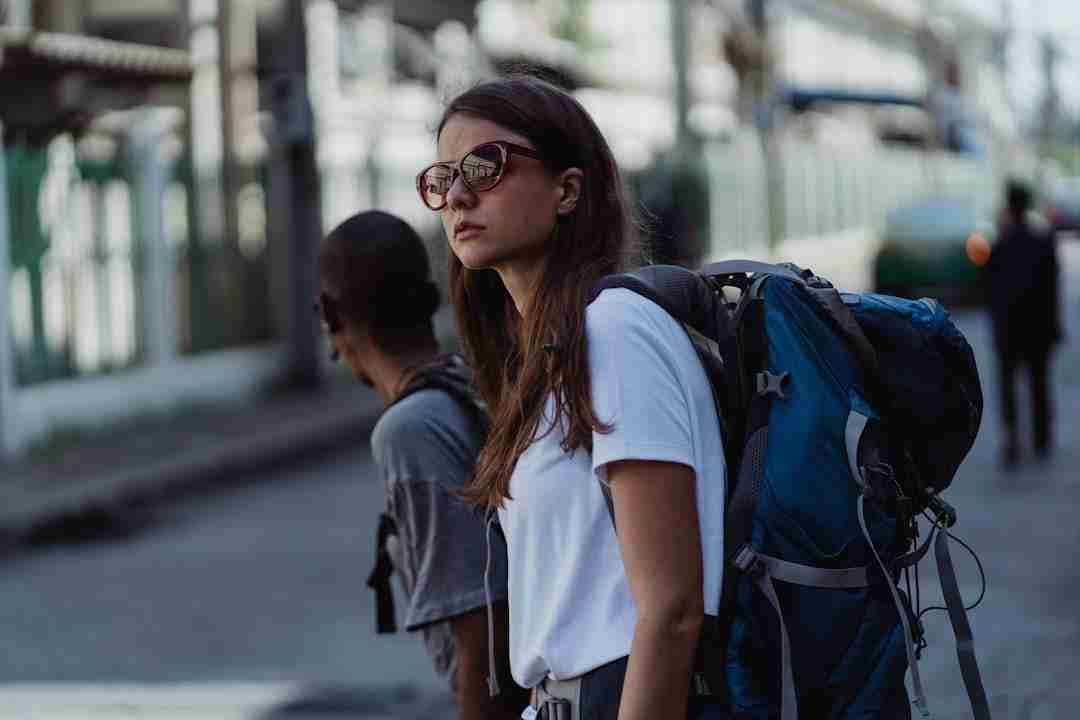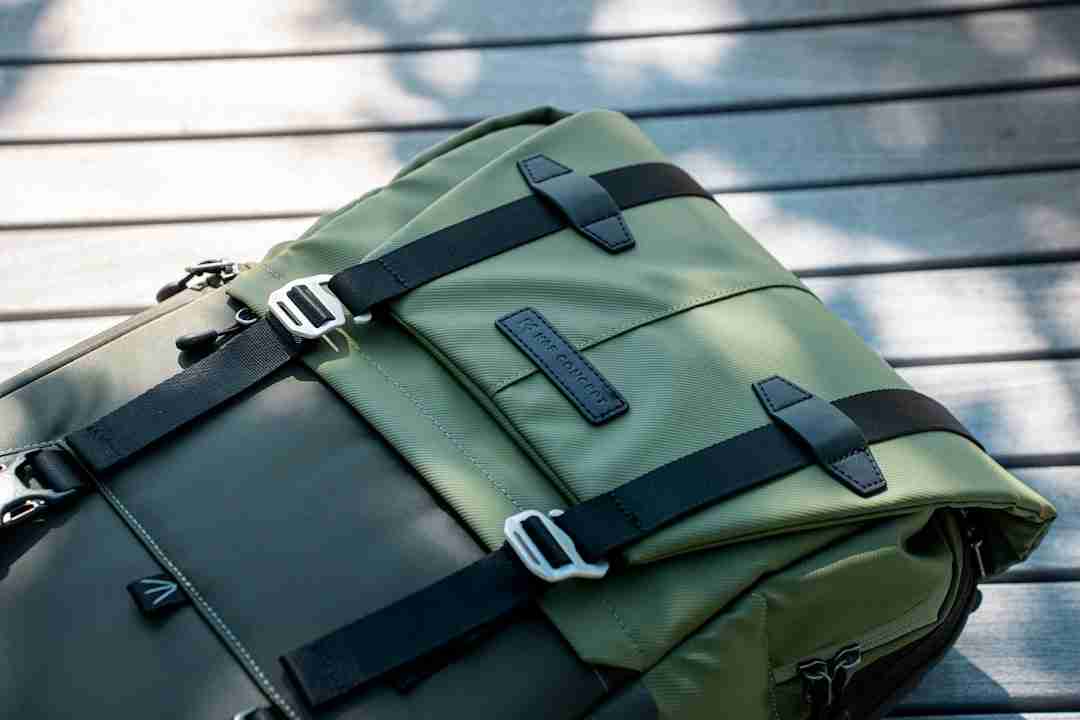
Imagine the freedom of wandering the globe with nothing but a backpack. This isn't just a minimalist's dream; it's a growing reality for many who embrace a sustainable nomadic lifestyle. Traveling light isn't merely about convenience; it’s an art that can lead to a more authentic and environmentally conscious way of exploring the world. For those eager to minimize their carbon footprint while maximizing their travel experiences, living light is not only possible but profoundly rewarding.
The $100 Rule: Prioritizing Essentials
Packing light begins with a simple but effective strategy: the $100 rule. If an item can be purchased for less than $100 in a destination, consider leaving it behind. This principle helps travelers focus on essentials and reduces the load significantly. Instead of packing bulky jackets for every climate, opt for multipurpose clothing layers. A high-quality, compact rain jacket, for example, can serve as a windbreaker, an extra layer for warmth, and, of course, protection from the rain.
This method not only lightens the load but also encourages local purchasing, supporting economies in the places visited. A win-win for the traveler and the destination. And remember, the goal isn't to eliminate comfort but to streamline choices. Each item in the backpack should serve multiple functions, contributing to a versatile and adaptable travel wardrobe. For instance, a sarong can be used as a beach towel, blanket, or even an impromptu curtain for added privacy in shared accommodations.
Digitizing Documents and Memories: Going Paperless
The digital age offers significant advantages for the modern traveler. By digitizing documents, you can carry everything you need without the weight of paper. Services like Google Drive and Dropbox allow travelers to store and access copies of passports, visas, and reservations securely online. For memories, capturing photos and journals digitally, using apps like Evernote, ensures that moments are preserved without the bulk of physical albums and notebooks.
This approach not only reduces weight but also enhances security. Losing a physical passport can be a traveler's worst nightmare, but having digital copies ensures there's a backup plan. Moreover, going paperless aligns with sustainable practices by reducing paper consumption, making it an environmentally friendly choice. Consider using a language translation app on your phone instead of carrying a phrasebook, and download offline maps to avoid the need for bulky guidebooks.
One-Bag Travel: The 40-Liter Challenge
For many seasoned travelers, the 40-liter backpack represents the ultimate challenge. It's spacious enough to carry essentials yet compact enough to fit in overhead compartments on planes. Brands like Osprey and Deuter offer high-quality backpacks designed for this purpose, featuring compartments for organization and comfort-focused designs.
The challenge lies in making every item count. Packing cubes can be invaluable, allowing for efficient use of space and easy access to items. A common approach is to roll clothes instead of folding them, which can save space and reduce wrinkles. For toiletries, solid shampoo bars and multi-use products like castile soap can replace several liquid items, reducing both weight and potential for spills.
When choosing a backpack, consider those with features like lockable zippers for added security or a hydration compartment for easy access to water on the go. The right backpack can make or break the experience of one-bag travel, so it's worth investing time and resources in finding the perfect fit.
The Digital Nomad Toolkit: Essential Tech for On-the-Go Work
For those working while traveling, the right tech is crucial. A lightweight laptop or tablet, such as the MacBook Air, provides the flexibility needed without weighing down the traveler. Noise-canceling headphones can transform chaotic environments into productive spaces, while a compact power bank ensures devices stay charged.
Software solutions are equally important. Platforms like Notion and Trello help organize tasks and collaborate with teams remotely. For communication, Zoom and Slack are indispensable for staying in touch with colleagues or clients worldwide. When selecting tech, durability and battery life are key considerations, ensuring devices can withstand the rigors of travel.
It's also wise to have a universal travel adapter and a portable Wi-Fi hotspot for reliable internet access anywhere. These tech essentials enable digital nomads to maintain their work-life balance while exploring new destinations.
Sustainable Practices: Reduce, Reuse, Respect
Living light isn't just about the backpack's weight; it's a commitment to sustainable travel. This involves choices that reduce environmental impact, such as using reusable water bottles and shopping bags. Many travelers now carry a lightweight travel set of utensils, avoiding single-use plastics when dining on the go.
Engaging with local communities respectfully and responsibly is another aspect of sustainable travel. Experts suggest opting for public transportation or walking where possible, which not only reduces emissions but also offers a more immersive experience of a destination. Supporting local businesses over international chains helps sustain the local economy and enriches the travel experience.
Consider participating in local conservation efforts or volunteering with environmental organizations at your destination. These activities not only contribute to sustainability but also provide unique insights into the local culture and environment.
The Flexibility of Light Travel: Spontaneity and Savings
One of the greatest advantages of traveling light is the flexibility it affords. With everything fitting into a single backpack, travelers can easily navigate various modes of transportation, from buses to bikes, without the hassle of heavy luggage. This ease of movement often translates to savings, as many budget airlines charge for checked baggage.
This lightness opens up possibilities for spontaneous adventures. Whether it's a last-minute decision to hike a mountain or explore an off-the-beaten-path village, a single backpack ensures nothing holds you back. Many find that the freedom from material possessions allows for a richer, more connected experience with the places they visit. For instance, being able to quickly hop on a train or accept an unexpected invitation from a local can lead to memorable, serendipitous experiences.
Challenges and Solutions: Overcoming Common Hurdles
Traveling with just a backpack isn't without its challenges. Weather variations, for instance, can present difficulties. The solution lies in choosing versatile clothing and being ready to adapt. Quick-dry fabrics and layering are key strategies for maintaining comfort across climates.
Another common concern is laundry. Instead of packing excessive clothing, consider the availability of laundromats or hand-washing items in hotel sinks. Packing a small amount of travel detergent can make this process more manageable. For those worried about wardrobe variety, accessories like scarves or hats can change up outfits without taking up much space.
Experts suggest that the mental shift required for minimalist travel is often the biggest hurdle. It requires embracing the idea that less truly can be more. Letting go of the "just in case" mindset not only lightens the physical load but also the mental one, leading to a more liberating travel experience.
Start Today: The First Steps to Nomadic Freedom
Embarking on a sustainable nomadic lifestyle with just a backpack begins with a mindset shift. Start by evaluating current travel habits and identifying non-essential items that often go unused. Consider slowly incorporating the $100 rule and digitizing documents to gradually transition into lighter travel.
Investing in a quality backpack is another crucial step. Researching options that match personal needs, such as capacity and comfort, ensures that the journey begins on the right foot. Many find that starting with shorter trips can ease the transition, allowing adjustments to be made before committing to longer adventures.
Ultimately, the art of traveling with just a backpack offers a path to a more meaningful and environmentally conscious exploration of the world. By prioritizing essentials and embracing sustainable practices, travelers not only reduce their impact on the planet but also enrich their own experiences. The journey to living light starts with a single step—one that opens up a world of possibilities.