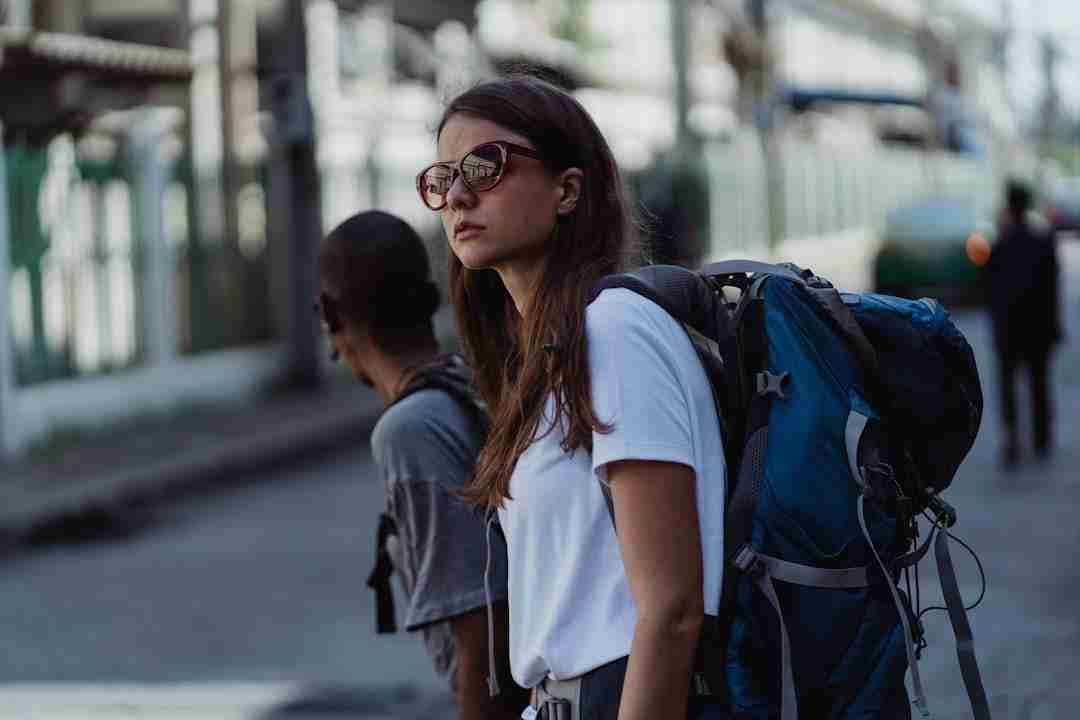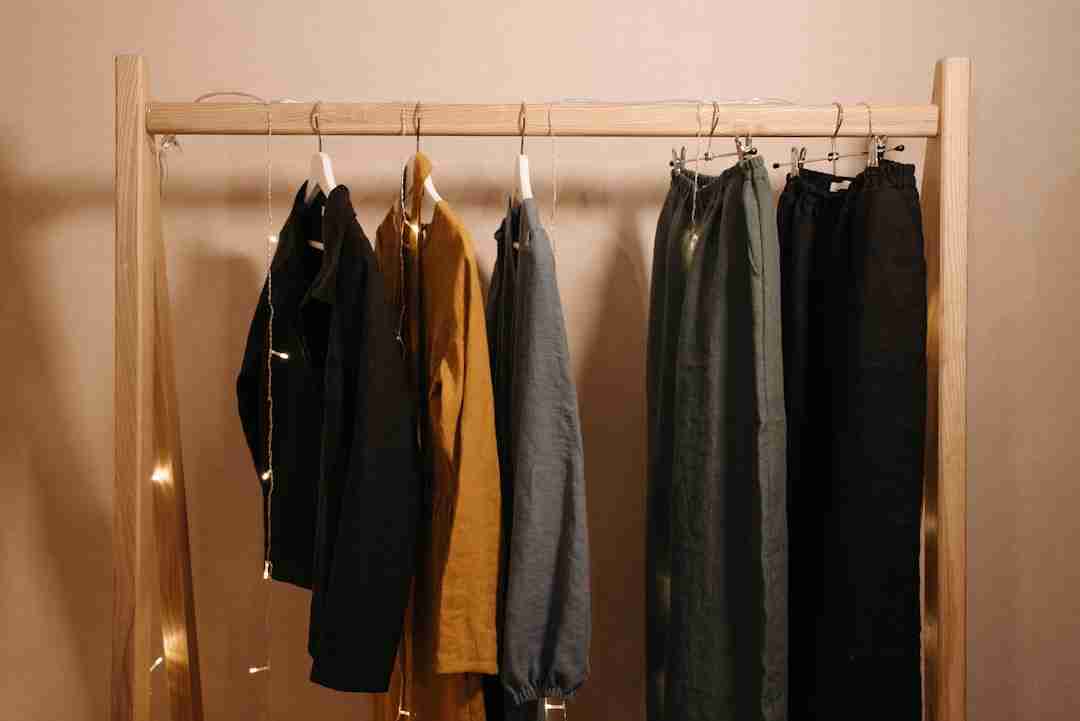
Imagine waking up in a new city every week, a backpack your constant companion, and the world your playground. This is the life of a modern nomad, chasing experiences rather than possessions. But while the idea of a minimalist lifestyle sounds liberating, the reality of packing a wardrobe for life on the road can be daunting. How can one balance style with practicality, all while keeping baggage light? The answer lies in crafting a minimalist wardrobe that serves both function and fashion, no matter where the journey leads.
The 20/80 Rule: Maximizing Versatility
Research shows that most people wear 20% of their clothes 80% of the time. For nomads, this rule is crucial. The focus should be on selecting pieces that are versatile and can be mixed and matched to create multiple outfits. Consider investing in neutral colors like black, white, navy, and grey. These hues are not only timeless but also easy to pair with other colors and patterns.
For instance, a simple white button-down shirt can be dressed up with a blazer for a business meeting or dressed down with shorts for a casual day out. Similarly, a pair of dark jeans can transition effortlessly from day to night. The key is to choose items that can be layered, providing warmth and style in varying climates. Accessories like a versatile belt or a reversible scarf can also add variety without taking up much space.
Takeaway: Prioritize clothing that offers flexibility and can serve multiple purposes. This approach minimizes the number of items needed while maximizing outfit variety.
Capsule Wardrobe: Quality Over Quantity
The concept of a capsule wardrobe has gained traction among those who value simplicity. This method involves curating a small collection of high-quality clothing items that can be worn interchangeably. Experts suggest that a capsule wardrobe consists of around 30-40 pieces, including shoes and accessories.
Focus on quality rather than quantity. High-quality fabrics like merino wool, cotton, and linen are durable and comfortable. They also tend to be more adaptable to different weather conditions. For example, merino wool is known for its moisture-wicking properties, making it an excellent choice for both hot and cold climates. Consider brands that specialize in sustainable fashion, as these often offer durable and ethically-made options.
Takeaway: Invest in fewer, higher-quality pieces that stand the test of time and travel. This not only reduces baggage but also ensures you're prepared for any situation.
The Power of Layers: Adapting to Climate
Traveling exposes one to diverse climates, often within the same day. Layers are the traveler’s best friend, allowing one to adapt quickly to temperature shifts without packing excessive clothing. A base layer, a mid-layer, and an outer layer form the foundation of a functional travel wardrobe.
Base layers should be moisture-wicking and breathable, like those made from merino wool or synthetic fibers. The mid-layer provides insulation, with options like fleece or lightweight down jackets. The outer layer should be weatherproof to protect against rain and wind. A lightweight raincoat or a windbreaker can be easily packed and offers significant protection against the elements.
Takeaway: Master the art of layering to stay comfortable in any climate while keeping your wardrobe compact and efficient.
Multi-Functional Footwear: Two Pair Rule
Shoes often take up the most space in a suitcase, so selecting the right pair is crucial. The rule of thumb here is to limit yourself to two pairs: one for everyday wear and another for specific activities or formal occasions.
A sturdy pair of walking shoes or sneakers can handle most daily activities and travel conditions. For additional support and style, consider a pair of versatile boots that can transition from city streets to hiking trails. If a formal event is on the agenda, a compact pair of flats or loafers can easily fit in a backpack pocket. Remember to break in new shoes before embarking on your journey to avoid discomfort or blisters.
Takeaway: Limit footwear to two pairs that cover all activities, saving space and reducing weight.
Roll, Don’t Fold: Packing Efficiency
Packing efficiently is an art form that frequent travelers master over time. Experts suggest rolling clothes instead of folding them. This technique not only saves space but also reduces wrinkles, making it easier to maintain a polished look without an iron.
Compression packing cubes are another valuable tool. These allow travelers to organize clothing and compress it, thus maximizing luggage space. Brands like Eagle Creek offer reliable options that fit easily into carry-on bags. Consider using vacuum-sealed bags for bulky items like jackets, which can significantly reduce space.
Takeaway: Use packing techniques like rolling and compression cubes to optimize space and keep clothing organized.
Limit Accessories: Keep It Simple
Accessories can elevate an outfit but can also add unnecessary bulk to your luggage. A minimalist approach to accessories involves choosing pieces that are versatile and lightweight. A classic watch, a pair of sunglasses, and a scarf can complement almost any outfit and take up minimal space.
Jewelry should be kept to a minimum. Choose pieces that are meaningful and can transition across occasions. Remember, less is often more, and a few carefully chosen accessories can add a touch of personal style without weighing you down. A sturdy, yet stylish, travel wallet can also be an essential accessory, keeping your travel documents and currency organized.
Takeaway: Choose a few versatile accessories to enhance your wardrobe without adding bulk.
Tech Fabrics: Stay Fresh Longer
Advancements in fabric technology have led to the development of materials that resist odor and stay fresh longer. This is particularly useful for those who may not have frequent access to laundry facilities. Fabrics like merino wool and certain synthetics are designed to be worn multiple times without washing.
Brands like Outlier and Unbound Merino specialize in travel-friendly clothing that utilizes these advanced materials. Investing in tech fabrics can significantly reduce the number of clothing items needed for a trip. It's worth exploring garments with UV protection or insect-repellent properties for added functionality in specific environments.
Takeaway: Incorporate tech fabrics into your wardrobe to extend wear time and reduce the need for frequent washing.
Constant Evaluation: Adapt As You Go
Every journey is unique, and so are the wardrobe needs that come with it. Regular evaluation of the wardrobe allows travelers to adapt and refine their choices over time. Consider the climate, culture, and activities of upcoming destinations when deciding what to pack.
Clothing swaps with fellow travelers can also be a fun and practical way to refresh a wardrobe without buying new items. This not only saves money but also fosters a sense of community among nomads. Online platforms and social media groups can facilitate these exchanges, offering a sustainable option for refreshing your attire.
Takeaway: Continuously assess and adjust your wardrobe to suit changing needs and environments.
Sustainable Practices: Mindful Choices
Incorporating sustainable practices into your travel wardrobe can have a positive impact on the environment. Opt for clothing brands that prioritize fair trade and eco-friendly materials. Consider the lifecycle of your clothing and aim to repair rather than replace items when possible. This not only reduces waste but also ensures that your wardrobe remains unique and personal.
Donating or recycling clothing you no longer need can also contribute to a more sustainable approach to travel. Many cities offer clothing drop-off points where items can be repurposed or given to those in need. This practice not only lightens your load but also supports local communities.
Takeaway: Embrace sustainable practices in your travel wardrobe to reduce your environmental footprint and contribute positively to the places you visit.