Imagine trading in the cacophony of city traffic for the gentle rustle of leaves and the chirping of birds. For many, this isn't just a whimsical daydream; it's an attainable lifestyle shift towards sustainable nomadism. The allure of living on the road, surrounded by nature, coupled with the desire to reduce one's carbon footprint, is driving more individuals to swap urban settings for the serenity of the forest. But how does one navigate the logistics of such a drastic change while maintaining a commitment to green living?
Embracing the Minimalist Mindset: Packing for a Sustainable Journey
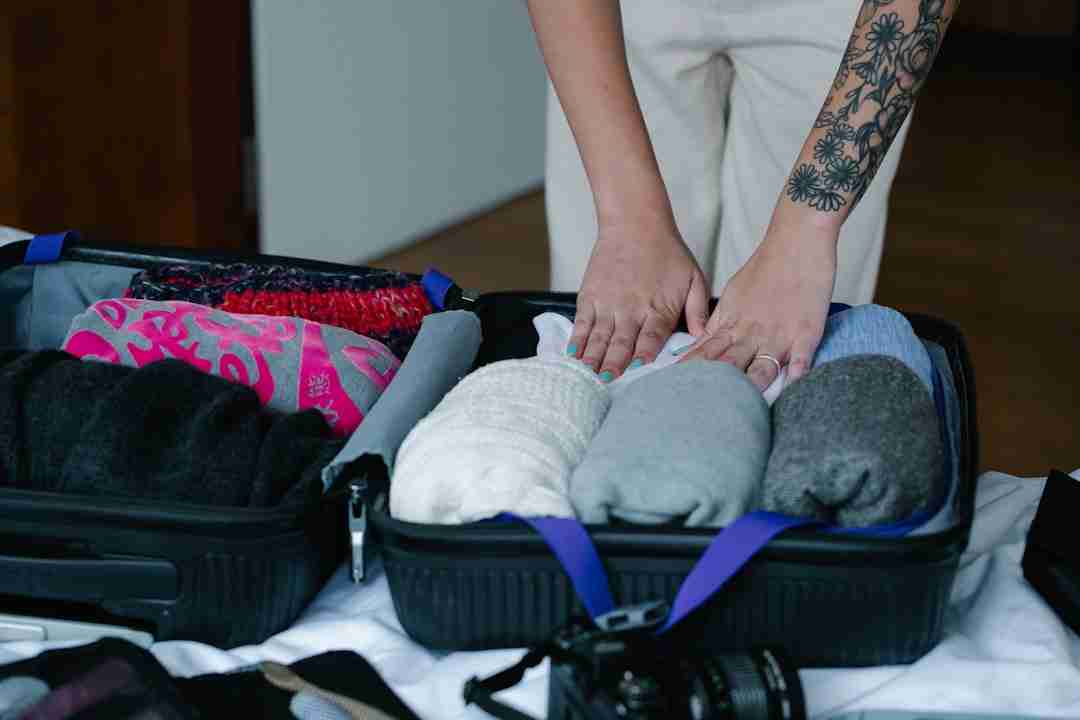
Transitioning to a nomadic lifestyle necessitates a shift in mindset, particularly towards minimalism. Experts suggest that the key to sustainable living on the road is starting with what you carry. A common rule among seasoned nomads is to pack only what is necessary. This not only reduces weight and space but also minimizes consumption.
For instance, consider investing in multi-functional items. A solar-powered lantern that doubles as a phone charger can replace two separate gadgets. This way, you're not only saving space but also reducing reliance on non-renewable energy. Another example is clothing; opt for versatile, durable garments made from sustainable materials like organic cotton or hemp. These choices not only last longer but are also kinder to the planet.
Here's a practical step: before embarking on your journey, lay out everything you plan to take. Then, halve it. This exercise forces a reevaluation of what's truly essential, aligning your possessions with the minimalist philosophy.
To further enhance minimalist packing, consider the benefits of digital resources. Instead of carrying physical books and maps, use e-readers and digital maps on your devices. This not only saves space but also reduces paper usage, contributing to environmental conservation.
Energy on the Go: Solar Panels and Portable Power Solutions
One of the biggest challenges for nomadic living is energy consumption. Fortunately, advances in portable solar technology have made sustainable energy accessible to those on the move. Many find that investing in high-quality portable solar panels and a reliable battery bank can provide a consistent power supply for essential electronics.
Brands like Goal Zero offer a range of solar panels and power stations designed specifically for travelers. These systems can power everything from laptops to mini-fridges, ensuring that your carbon footprint remains light. It's crucial, however, to assess your energy needs realistically. Calculate the daily wattage required to charge your devices and choose a solar setup that can meet these demands.
For those who frequently travel in overcast regions, a hybrid approach might be necessary. Consider a small, efficient wind turbine or a portable generator that runs on biofuel as a backup. This ensures a steady energy supply while adhering to eco-friendly principles.
In addition to these power solutions, consider energy-efficient practices such as using LED lights instead of traditional bulbs and opting for low-power devices. These small adjustments can significantly lower energy consumption, further supporting a sustainable lifestyle.
Water Conservation Techniques: Ensuring Sustainability in Every Drop
Water is a precious resource, particularly when living off-grid. Sustainable nomads must adopt water conservation techniques to minimize environmental impact. One effective strategy is the use of a portable water filter, such as the LifeStraw, which allows you to safely drink from natural sources without relying on single-use plastic bottles.
Implementing a gray water system can also drastically reduce water waste. This involves collecting water from sinks or showers and using it to flush toilets or water plants. Such systems are relatively easy to install in vans or RVs and can significantly decrease overall water consumption.
Consider investing in a solar shower bag, which heats water using the sun's energy. This not only conserves energy but also encourages shorter showers due to limited capacity, further conserving water.
To maximize water efficiency, adopt practices like using biodegradable soaps and collecting rainwater for non-potable uses. These methods help ensure that every drop is used wisely, aligning with sustainable living principles.
Food Storage and Waste Reduction: Efficient Strategies for Nomads
Sourcing and storing food sustainably while on the road requires some ingenuity. Many nomads opt for a small, energy-efficient refrigerator powered by solar energy. Brands like Dometic offer compact fridges that fit seamlessly into mobile living spaces.
When it comes to food choices, buying local and seasonal produce minimizes environmental impact. Visiting farmers' markets not only supports local economies but also reduces the carbon footprint associated with food transportation. Purchasing in bulk and storing dry goods in reusable containers can cut down on packaging waste.
Waste reduction is also crucial. Composting is not just for stationary homes; portable composting solutions are available and can be a practical addition to any nomadic setup. These systems break down organic waste, turning it into nutrient-rich soil that can be used to fertilize plants, thus closing the loop on food waste.
To further enhance sustainability, consider reducing food waste by planning meals ahead and using leftovers creatively. This not only saves resources but also maximizes the use of purchased food, supporting a zero-waste lifestyle.
Navigating Connectivity: Balancing Technology and Nature
While the goal of forest living may be to disconnect from urban chaos, staying connected is often a necessity. Balancing technology use with a commitment to sustainable living can be challenging. Many nomads rely on mobile hotspots or satellite internet to maintain connectivity. When choosing a service, prioritize those that support renewable energy initiatives.
Scheduling "tech-free" hours during the day encourages engagement with nature and reduces energy consumption. Professionals note that setting boundaries with technology not only enhances the nomadic experience but also aligns with the principles of sustainable living.
To maximize energy efficiency, consider using energy-saving settings on devices and unplugging electronics when not in use. These small actions contribute to a larger goal of reducing overall energy consumption.
For those seeking to deepen their connection with nature, practice mindfulness and engage in activities like hiking, meditation, or wildlife observation. These pursuits not only enrich the nomadic experience but also foster a deeper appreciation for the environment.
The Economics of Nomadic Green Living: Budgeting for Sustainability
Living sustainably on the road can be economically challenging, but it doesn't have to break the bank. Initial investments in solar panels, water filtration systems, and efficient appliances can be substantial. However, these costs are often offset by the savings in utility bills and reduced consumption over time.
Budgeting effectively requires a clear understanding of your expenses. Keep track of spending on essentials like food, fuel, and maintenance. Apps like YNAB can help manage finances and ensure that your sustainable lifestyle remains affordable.
Many nomads find that supplementing income with remote work or seasonal jobs provides financial stability. This flexibility allows you to embrace sustainable practices without compromising on financial goals.
To stretch your budget further, consider bartering services or goods with fellow travelers. This practice not only fosters community but also reduces reliance on monetary transactions, supporting a more sustainable economy.
Conclusion: Taking Action Today
Embarking on a journey towards sustainable nomadism is both exciting and challenging. But it's a lifestyle that offers profound rewards, from reducing one's environmental impact to embracing a simpler, more intentional way of living. Whether you're just considering this path or ready to hit the road, there's always an opportunity to make greener choices.
Start by assessing your current lifestyle and identifying areas for improvement. Can you reduce waste? Is there a more sustainable way to power your devices? Every small change contributes to a larger movement of eco-conscious living.
Consider this: the shift towards a nomadic lifestyle isn't just about where you live; it's about how you live. Embracing sustainability on the road is a powerful step towards a more harmonious relationship with the planet. And the best part? You can begin making changes today, no matter where you are in your journey.