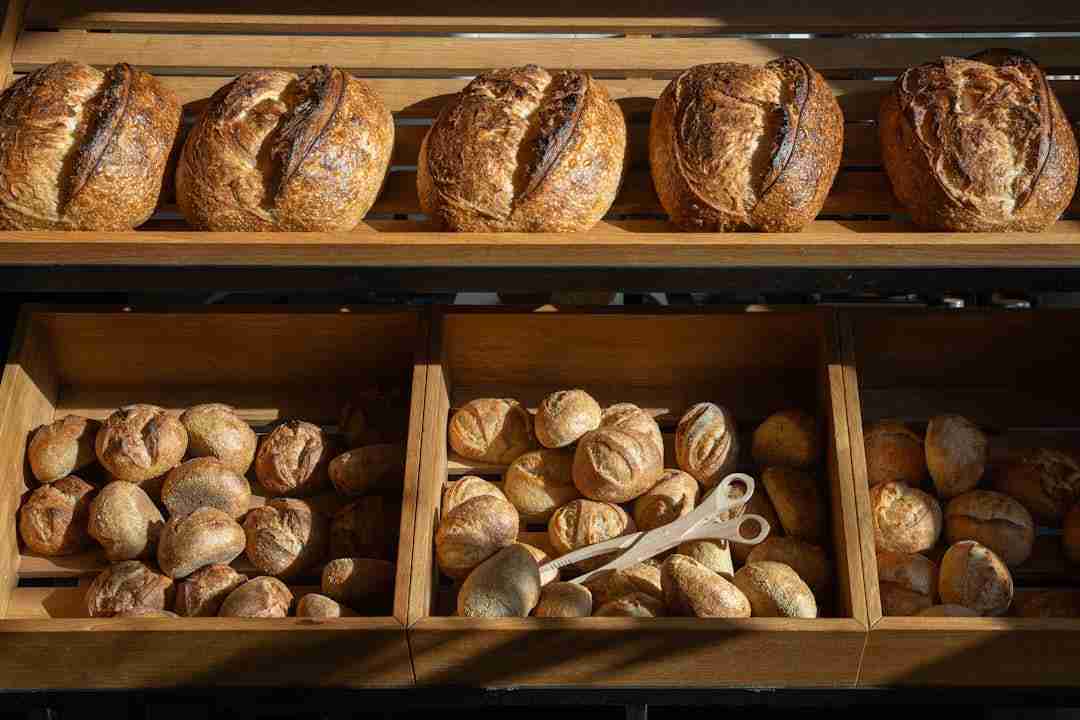
Picture this: you've just moved to a new country, filled with excitement and eagerness to explore everything it has to offer. But then, the reality of everyday life kicks in, and suddenly you're faced with the daunting task of grocery shopping in a place where the language, currency, and even the layout of stores are unfamiliar. Navigating the aisles can feel like a scavenger hunt without a map, leaving you wondering how something as simple as buying bread can be so complicated. Here's how to make this essential chore feel more like a delightful exploration.
Understanding Local Market Practices: Why Bread Isn't Just Bread
In many countries, something as simple as buying bread can be an adventure. Take France, for example, where a morning trip to the boulangerie opens up a world of crusty baguettes and buttery croissants. But these aren't just any breads. Each type has its own history, preparation method, and time of day when it's best enjoyed. Understanding local market practices can help you make informed choices and embrace the local culture.
In Japan, supermarkets often feature unique sections dedicated to fresh seafood, alongside meticulously packaged vegetables. Shopping here means tapping into the rhythm of daily life, where freshness is king and seasonal produce reigns supreme. Understanding these local practices not only enriches your shopping experience but also helps you connect with the culture on a deeper level.
Practical Takeaway
Start by visiting local markets early in the morning when fresh goods arrive. Engage with vendors to learn more about the products, such as which types of fish are best for sushi or how to select the perfect melon. This approach will not only enhance your grocery shopping but also help you practice the local language and customs, making you feel more at home.
The Currency Conundrum: Mastering the Art of Conversion
Adjusting to a new currency can be one of the trickiest parts of living abroad. It’s easy to feel overwhelmed when trying to mentally convert prices while shopping. However, mastering this art is essential for keeping track of your budget and ensuring you’re not overspending.
Using a reliable currency conversion app can simplify this process. Apps like XE Currency allow you to check real-time exchange rates, helping you make quick and accurate conversions. Familiarizing yourself with common price points for staple items can offer a benchmark to prevent overpaying. For instance, knowing the average cost of a loaf of bread or a liter of milk can help you make swift decisions at the store.
Practical Takeaway
Download a currency conversion app before heading to the store. Practice converting common items' prices at home to get a feel for the currency. This will help you shop with confidence and ease. Additionally, consider setting alerts on your app for favorable exchange rates, which can be beneficial for larger purchases.
Language Barriers: Navigating Labels and Signage
Language barriers can make grocery shopping feel like deciphering a code. Product labels, ingredients, and even store signage might be in a language you don't fully understand. This can complicate choosing the right products, especially if you have dietary restrictions.
Many find that using translation apps such as Google Translate can be incredibly helpful. These apps allow you to scan text and instantly translate it, providing clarity and confidence when making purchases. Additionally, learning key food-related terms in the local language can greatly enhance your shopping experience. Knowing words like "organic," "fresh," or "special offer" can guide you to better choices.
Practical Takeaway
Create a list of essential food terms and phrases in the local language. Use a translation app for additional support, and don't hesitate to ask store employees for help; they're often willing to assist. Engaging in brief conversations not only helps you find what you need but also offers opportunities to practice and improve your language skills.
Embracing Technology: Apps and Services to Simplify Your Experience
Technology is a powerful ally when grocery shopping in a new country. Many countries offer online grocery delivery services, which can ease the transition by allowing you to shop from the comfort of your home. Services like Instacart or local equivalents can be lifesavers, especially if you're still getting used to the new environment.
Recipe apps like Yummly can help you discover local ingredients and how to use them in traditional dishes. These apps often provide shopping lists, which can be a handy guide when you're at the store. By exploring recipes that highlight local flavors, you can expand your culinary repertoire and enjoy meals that truly reflect your new surroundings.
Practical Takeaway
Explore available grocery delivery services and recipe apps in your new location. They can save you time and help you familiarize yourself with local food culture. Consider setting up an account and trying a small order to experience the convenience and variety these services offer.
Budgeting Basics: How to Stretch Your Money
Budgeting is crucial when shopping in a new country, where prices and products may vary greatly from what you're used to. Creating a budget before heading to the store can help you manage your expenses effectively. Many find that keeping a weekly or monthly budget is particularly useful to track spending and adjust as necessary.
Consider buying in bulk for non-perishable items if storage is available. This can often save money in the long run. Additionally, visiting local markets for fruits and vegetables can often be cheaper than supermarkets, plus you get the added bonus of fresh produce.
Practical Takeaway
Set a realistic budget and track your expenses using tools like Mint or a simple spreadsheet. This will help you adapt to local pricing and avoid overspending. Be sure to include a category for occasional treats or cultural experiences—these can enrich your time abroad and offer a deeper connection to the local community.
Seasonal Shopping: Leveraging Local Produce
One of the joys of living in a new country is experiencing its unique produce. Seasonal shopping not only supports local farmers but also ensures you’re getting the freshest and often most affordable options. Each season brings its own variety of fruits and vegetables, and understanding these cycles can enhance your culinary adventures.
In Italy, for example, summer is the time for fresh tomatoes and basil, perfect for making a classic Caprese salad. In contrast, winter might introduce hearty root vegetables ideal for comforting stews. By aligning your shopping habits with the seasons, you'll enjoy better-tasting food and potentially save money.
Practical Takeaway
Research what produce is in season and plan your meals accordingly. This approach not only supports local agriculture but also enriches your dining experience with fresh flavors. Try visiting farms or orchards to pick your own produce for a truly immersive experience.
Cultural Etiquette: Dos and Don'ts in the Aisles
Cultural etiquette plays a significant role in the shopping experience. What’s considered polite in one country might be seen differently in another. In some cultures, haggling is expected in markets, while in others, prices are fixed and negotiating could be seen as rude.
Understanding these nuances can make your shopping trips smoother and more pleasant. For instance, in some Asian countries, it’s common courtesy to greet the shopkeeper upon entering and thank them when leaving, even if no purchase is made.
Practical Takeaway
Research cultural norms related to shopping in your new country. This can prevent cultural faux pas and make your interactions more enjoyable and respectful. Participate in local customs, such as using reusable shopping bags, which are not only eco-friendly but often expected in many places.
Conclusion: Making Grocery Shopping an Adventure
Grocery shopping in a new country can be much more than a routine task. It’s an opportunity to explore, learn, and immerse yourself in a new culture. By understanding local practices, mastering currency conversion, overcoming language barriers, leveraging technology, budgeting wisely, embracing seasonal produce, and respecting cultural etiquette, you can transform this everyday chore into a rewarding adventure.
So, the next time you head out for groceries, remember that you’re not just shopping—you’re discovering. Embrace the experience, learn from it, and who knows? You might just find that what started as a challenge becomes one of your favorite parts of living abroad.