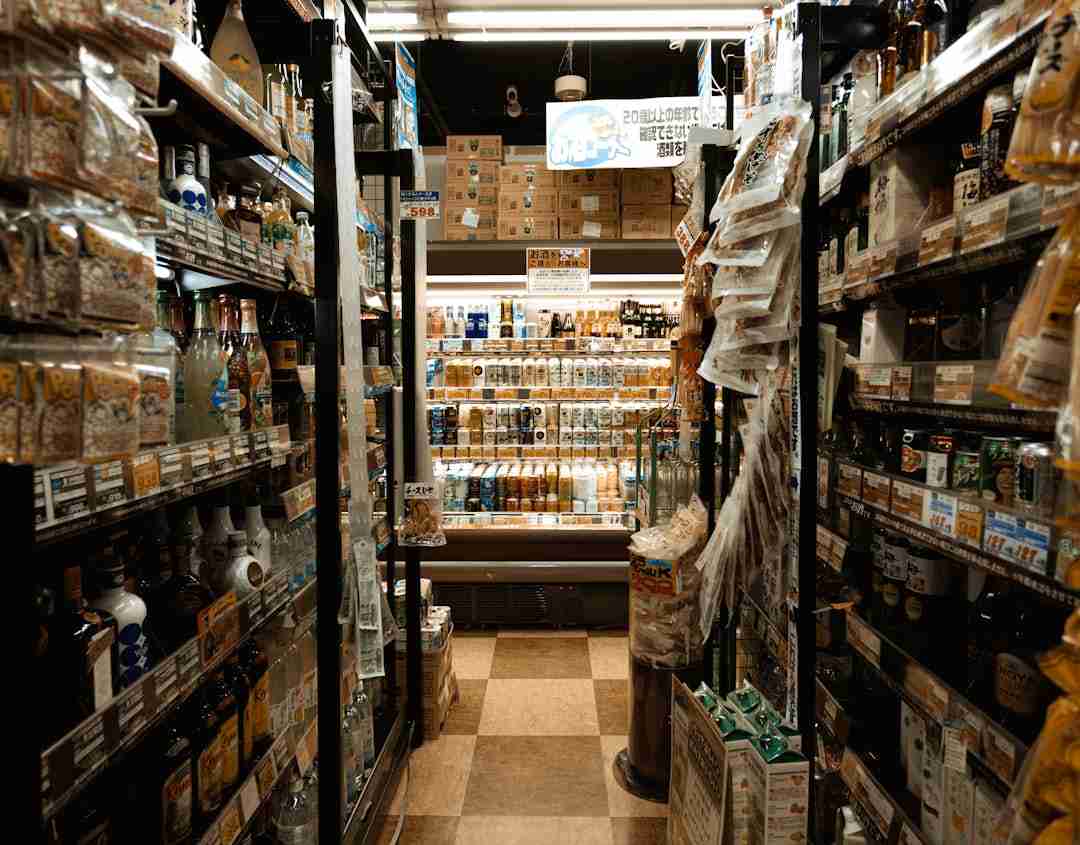
Imagine standing in the middle of a bustling supermarket in a foreign country, surrounded by unfamiliar brands, products labeled in a different language, and aisles organized in seemingly chaotic patterns. The once simple task of grocery shopping suddenly feels like a test of survival skills. For many expatriates, adapting to a new culture’s way of something as fundamental as buying groceries can be both an exciting and daunting challenge. But fear not, navigating these quirks is a skill you can master, making your overseas adventure all the more enjoyable.
Understanding Local Grocery Store Layouts: Why It's Like a Maze
Every supermarket has a rhythm, a logic to its layout, but in a new country, this logic can feel like a puzzle. Grocery stores in Japan, for instance, often place fresh produce and fish at the entrance, reflecting the cultural emphasis on fresh foods. Meanwhile, stores in the United States might prioritize snacks and soft drinks. Understanding this can save you time and reduce frustration. Experts suggest spending a few minutes observing the flow of traffic and how locals navigate the aisles. Take note of where staple items are placed. Many find it helpful to first do a quick walkthrough without purchasing anything to familiarize themselves with the store’s layout.
Consider taking a photo of the store map, if available, to refer back to during subsequent visits. This small preparation can significantly reduce your time spent wandering aimlessly and help you quickly locate the items you need. Engaging with store employees, if possible, can also offer insights into why certain items are placed where they are, providing a deeper understanding of local shopping habits.
The Language Barrier: Decoding Labels and Product Names
One of the most immediate challenges is deciphering labels in a language you might not understand. This isn't always straightforward, as translations can be misleading or non-existent. Investing in a translation app like Google Translate can be a lifesaver. These apps can translate text in real-time using your phone's camera, making it easier to identify products.
To further ease this challenge, consider creating a personalized glossary of common grocery items in both English and the local language. This can be particularly useful for distinguishing between similar products, such as different types of flour or sugar. Engaging in language exchange meet-ups or classes can also enhance your vocabulary, allowing you to confidently shop and even ask store employees for assistance when needed.
Price Variations: The Surprising Cost of Familiar Items
One might assume that staple items like milk and bread would have standard prices worldwide, but that's often not the case. For instance, a loaf of bread in Switzerland can cost up to three times more than in India. Understanding these variations can help you budget more effectively. Research shows that purchasing local brands rather than imported ones can significantly reduce costs. It’s also beneficial to be aware of local sales and discount days. In France, many supermarkets offer significant discounts on perishables towards the end of the day.
Exploring local online forums or expatriate groups can provide insider tips on when and where to find the best deals. Take advantage of weekly flyers or store apps that highlight current promotions. This knowledge can transform your shopping experience from a budget-busting one to a cost-effective adventure.
Embracing Local Produce: A Flavorful Adventure
One of the joys of living abroad is discovering new foods. Local markets are a treasure trove of unique produce that might be rare or unavailable in your home country. For example, in Southeast Asia, fruits like mangosteen and rambutan are common finds. Embracing these local specialties not only broadens your culinary horizons but also supports local farmers and producers. Professionals note that these markets often sell fresher and cheaper produce compared to supermarkets.
Consider incorporating a "local produce of the week" into your meal planning, challenging yourself to try a new ingredient regularly. Researching recipes that feature these ingredients can lead to delightful culinary discoveries and a deeper appreciation for the local culture. A weekend visit to a local farmer's market can be both a delightful excursion and an educational experience.
Payment Methods: Beyond Cash and Cards
In some countries, the preferred method of payment might surprise you. While credit cards are widely accepted in the United States, cash remains king in countries like Germany and Japan. In Sweden, you might find that digital payments using apps like Swish are more common than cash transactions. Before heading out for a shopping trip, it's crucial to understand the local payment culture.
It might be beneficial to open a local bank account to facilitate easier transactions and potentially avoid international fees. Also, consider securing a contactless credit card, as this can expedite payment processes in many regions. Many find it helpful to carry a small amount of local currency for markets and smaller shops, even if cards are generally accepted elsewhere. This preparation can prevent awkward moments at the checkout and ensure a smoother shopping experience.
Store Hours and Shopping Etiquette: Timing is Everything
Grocery shopping isn't just about what you buy, but also when you buy it. Store hours can vary dramatically from one country to another. In Spain, it's common for shops to close for a siesta in the afternoon, reopening in the evening. In contrast, many stores in the United Arab Emirates remain open late into the night. Understanding these cultural nuances can save you a trip to a closed store.
In addition to store hours, be mindful of peak shopping times. Avoiding these times can lead to a more relaxed shopping experience and shorter lines at checkout. Moreover, shopping etiquette can differ; in some cultures, haggling is expected at markets, while in others, it could be considered rude. Observing local practices and asking for guidance from locals can enhance your shopping experience.
Loyalty Programs and Apps: Unlocking Discounts and Convenience
Many countries offer loyalty programs that can lead to significant savings. Joining these programs often comes with perks such as exclusive discounts, personalized offers, and even free products. In the UK, the Tesco Clubcard is a popular choice, offering points that can be redeemed across a range of services. Similarly, digital apps for grocery stores can streamline your shopping experience.
Consider downloading store-specific apps before your first visit. These apps can provide store maps, offer digital coupons, and even allow you to create and manage shopping lists. Taking a few minutes to sign up for these programs can result in substantial savings over time. Engaging with expatriate communities online can also reveal which programs offer the best benefits.
Navigating Specialty Stores: Finding Familiar Comforts
While embracing local flavors is part of the adventure, there might be times when you crave familiar tastes from home. Specialty stores or international aisles in larger supermarkets can be a lifeline. In cities with large expatriate communities, such as Dubai or New York, these stores often stock a wide range of international products. However, prices can be steep due to import costs.
Connecting with other expatriates through social media or community groups can provide recommendations for the best places to find familiar products. Many communities maintain lists of where to find specific products, and some even organize group buys to reduce costs. Experts recommend identifying a few key items you can't live without and budgeting accordingly.
Conclusion: Embrace the Adventure
Grocery shopping in a new country is more than a mundane task; it's an opportunity to immerse yourself in the local culture and expand your culinary repertoire. By understanding store layouts, embracing local produce, and adapting to new payment and shopping habits, you can transform this challenge into an enriching experience. Today, take that first step: visit a local market or sign up for a grocery store’s loyalty program. Over time, you'll not only navigate these quirks with confidence but also find joy in the diversity of your new home.