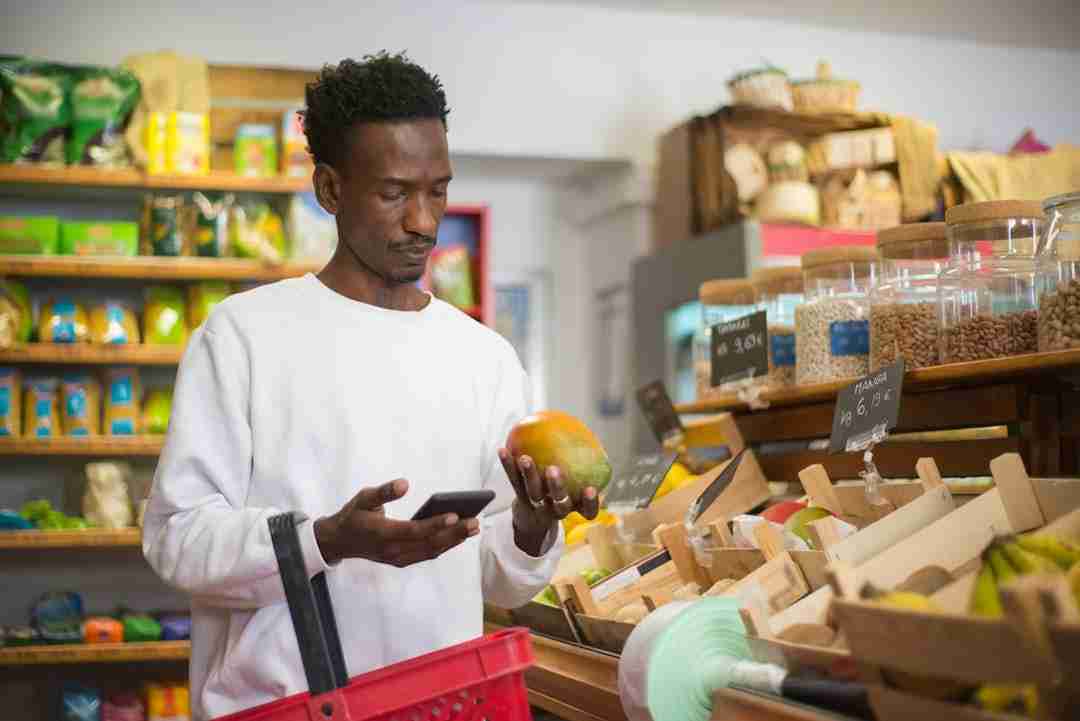
Imagine walking into a grocery store in a foreign country where everything looks familiar yet feels alien. Labels are written in a language you hardly understand, products aren't where you'd expect, and even the checkout process seems like a puzzle. This is a common scenario for those living abroad, and it can turn the simple act of grocery shopping into an overwhelming adventure. But fear not, because with the right strategies, navigating local grocery stores without losing your mind is entirely possible.
Deciphering Local Labels: Translate Apps Are Your Best Friend
One of the first hurdles in foreign grocery stores is understanding product labels. If you're not fluent in the local language, this can be daunting. Fortunately, technology offers a solution. Translation apps like Google Translate can instantly translate text when you hover your phone camera over it. This makes understanding labels much easier, allowing you to make informed choices without spending hours deciphering foreign scripts.
Here's how you can use these apps effectively: Before heading out, download the language pack of the country you're in. This allows you to use the app offline, which is especially useful if you're in an area with poor mobile reception. Many find that using translation apps not only helps in understanding labels but also in learning new vocabulary, turning a mundane task into an educational experience. Consider creating a small notebook or digital list of frequently purchased items and their translations. This can save time on future trips and help you recognize patterns in the language.
Local Market Days: When Fresh Produce Is Cheaper and Fresher
In many countries, local markets pop up weekly, offering fresh produce at lower prices than supermarkets. These markets are not just about shopping; they're cultural experiences where you can immerse yourself in local life. Research suggests that shopping at markets can save you anywhere from 20% to 50% on fresh produce.
To make the most of these market days, arrive early. Vendors often sell out of popular items quickly, and the freshest produce is available in the morning. Also, bring reusable bags and cash, as many vendors prefer or only accept cash transactions. Engaging with local vendors can also be a great way to practice the language and learn more about local foods and customs. Try to ask vendors for their recommendations or even recipes for unfamiliar produce. This interaction can deepen your understanding of local culinary traditions and help you discover new ingredients to incorporate into your cooking.
Checkout Culture: Understanding Local Etiquette and Systems
Checkout processes can vary drastically from country to country. In some places, bagging your groceries is a self-service affair, while in others, there are dedicated staff to assist. Understanding these nuances can save you both time and embarrassment.
In countries like Germany, for instance, it's expected that you bag your own groceries quickly at the checkout. This isn't just about efficiency; it's a cultural norm. Conversely, in Japan, staff will often go the extra mile to ensure your items are neatly packed. Knowing these differences helps in adjusting your expectations and actions accordingly.
Another aspect to consider is payment methods. While card payments are common worldwide, some countries still prefer cash. Always check the preferred payment methods at your local store to avoid any last-minute surprises. It might also be helpful to carry a small amount of local currency for unexpected market purchases or stores that don't accept cards.
Store Layouts: Familiar Yet Different
Supermarket layouts can be puzzling when living abroad. What seems like a universal setup often hides cultural nuances. For example, in the UK, milk and bread might be at the back of the store, while in France, these essentials are often placed near the entrance.
To navigate these layouts efficiently, take a reconnaissance trip. Spend some time walking through the store without the pressure of buying anything. This way, you can familiarize yourself with where items are located. Some seasoned expatriates suggest taking note of aisle markers and categorizing items according to your regular shopping list. This strategy saves time in future shopping trips, making the experience less stressful. Consider creating a map or diagram of the store layout on your phone. This can help you plan your route and minimize time spent searching for items.
Local Brands vs. International Brands: Making the Right Choice
Choosing between local and international brands can be tricky. While international brands offer familiarity, local brands often provide better value and quality. Many find that experimenting with local products can lead to delightful discoveries.
Consider this: A local brand of pasta might be half the price of an international one and taste just as good, if not better. So, how do you decide? Experts suggest trying small quantities first. If you like the product, you can buy more on your next trip. Over time, you'll build a repertoire of favored local items that suit your taste and budget. Seek recommendations from locals or expatriates to identify popular or trusted local brands.
The Power of Community: Join Expat and Local Forums
One of the best ways to ease the grocery shopping experience abroad is by joining local online communities. Platforms like Facebook Groups or Reddit subreddits dedicated to expatriates or local residents can be invaluable. Members often share tips on where to find specific items, how to get the best deals, and even alert others about upcoming sales.
These communities can also be a source of support and camaraderie. Sharing experiences and advice with fellow expatriates makes the transition smoother and less isolating. Additionally, locals in these groups are often eager to help, providing insider knowledge that you won't find in any guidebook. Participate actively in these groups by asking questions and sharing your experiences. This not only helps you but also contributes to the community, fostering a sense of belonging.
Practical Tips for Your Next Shopping Trip
So, what practical steps can you take right now? Start by downloading a translation app and familiarizing yourself with its features. Then, research local market days and plan a visit. Make a habit of observing checkout procedures during your next grocery run, and don't hesitate to ask store staff if you're unsure about something. Lastly, consider joining an online community to tap into local insights and support.
Navigating grocery stores while living abroad may initially seem challenging, but with the right tools and mindset, it becomes an enriching part of the expatriate experience. Embrace the adventure, and soon enough, you'll be shopping like a local, confident in your choices and knowledgeable about your new home.