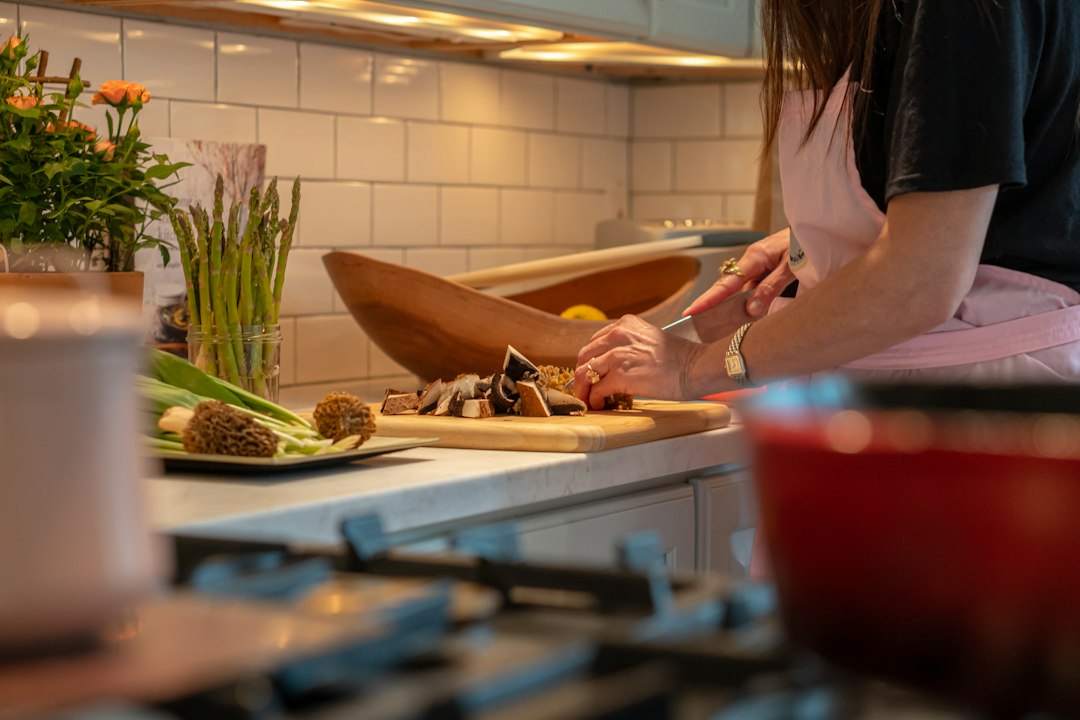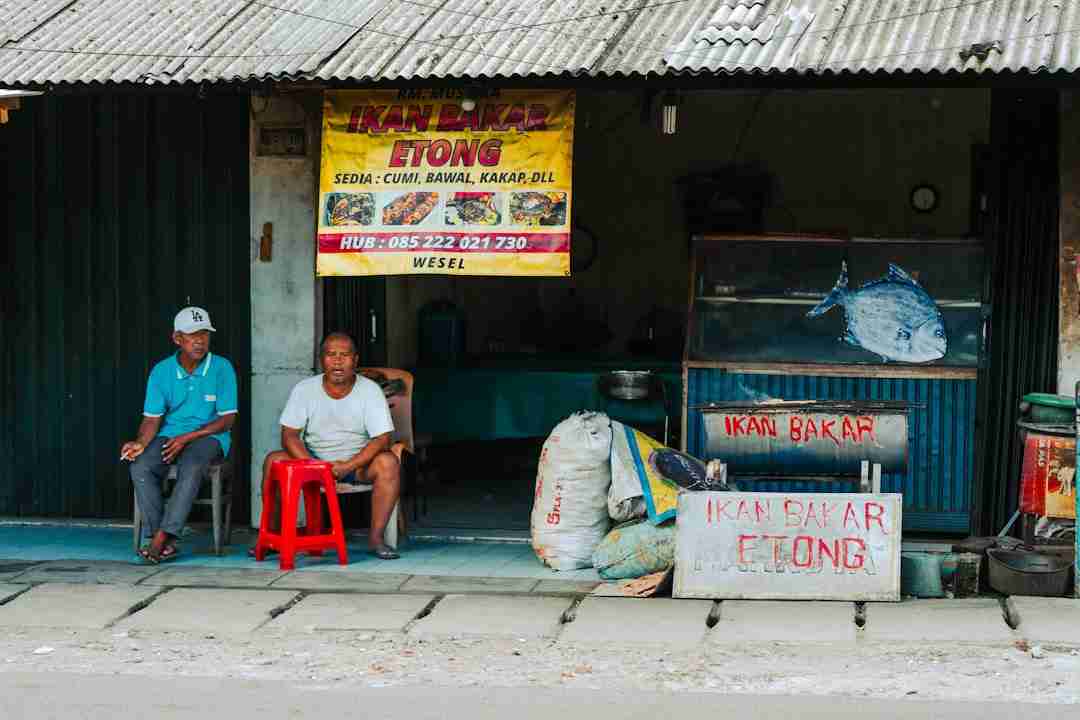
Imagine waking up to the gentle sounds of waves crashing on a remote beach, spending your afternoon wandering a bustling local market, and ending the day with a meal crafted from fresh, locally-sourced ingredients. This isn't a vacation. It's a lifestyle. For many, the allure of a sustainable nomadic life is irresistible, merging the freedom of travel with the satisfaction of living lightly on the earth. But how does one navigate the complexities of cooking local and living sustainably while on the move? It's a journey that requires both curiosity and commitment.
The True Cost of Going Local: A Lesson from Chiang Mai
One might assume that eating locally means splurging on expensive organic markets. However, that’s not necessarily true. Take Chiang Mai, Thailand, as an example. In this vibrant city, a visit to the local market can be a game-changer. Fresh produce, herbs, and spices are available at a fraction of the cost found in supermarkets. For instance, a kilo of fresh mangoes might cost around 30 baht ($0.90 USD), offering both a delicious and economical choice. By embracing such markets, nomads can enjoy fresh, healthy meals while supporting local farmers and reducing their carbon footprint. The market isn't just a place to purchase goods; it's a cultural experience. Engaging with vendors can lead to learning traditional recipes or discovering unique ingredients that aren't available elsewhere.
Practical Takeaway:
Visit local markets wherever you are. Engage with vendors to learn about their produce, and aim to prepare meals using what's in season. Not only does this save money, but it also ensures fresher, tastier dishes. Consider learning a few key phrases in the local language to enhance interactions and foster connections with the community.
Cooking with Limited Gear: Mastering the Art of Minimalism
Traveling light often means leaving behind the luxury of a fully equipped kitchen. Yet, with some creativity, delicious meals are still within reach. Consider the humble one-pot meal. With just a single pot and a portable stove, you can create everything from hearty stews to fragrant curries. In cities like Lisbon, Portugal, where fresh seafood is abundant, a simple pot can transform into a vessel for a rich seafood stew using tomatoes, onions, and local spices. Imagine the aroma of fresh herbs simmering alongside seafood, creating a dish that speaks of the ocean's bounty.
Practical Takeaway:
Invest in a quality, lightweight cooking pot and portable stove. These items are invaluable for creating diverse meals without needing a full kitchen. Brands like Jetboil offer compact stoves perfect for travelers. Experiment with one-pot recipes before embarking on your journey to build confidence in creating meals with minimal equipment.
The Magic of Fermentation: A Taste That Travels
Fermentation might seem daunting, but it's a method that offers both flavor and longevity to food. In South Korea, kimchi is a staple that not only adds a spicy kick to meals but also boasts health benefits due to its probiotic content. The good news? Kimchi and other fermented foods can be made with minimal tools and ingredients. All you need is a jar and some time. This method is perfect for nomads, as fermented foods can last weeks without refrigeration. Beyond kimchi, consider experimenting with pickled vegetables, which can add a tangy zest to any meal.
Practical Takeaway:
Learn the basics of fermentation. Start with simple recipes like kimchi or sauerkraut. These can be made in jars that are easy to pack, providing a nutrient-rich addition to meals while traveling. Research local fermented foods at your destination to further enrich your culinary repertoire.
Digital Tools for a Nomadic Kitchen: Staying Organized on the Move
In the era of digital convenience, several tools can assist nomads in maintaining a sustainable lifestyle. Apps like Notion and Trello are excellent for organizing meal plans and shopping lists. Meanwhile, HappyCow is invaluable for locating local farmers' markets or vegetarian-friendly restaurants. These digital aids ensure that even while on the move, one can make informed, sustainable choices. Use these apps to share experiences and tips with fellow travelers, creating a community of like-minded individuals.
Practical Takeaway:
Download and familiarize yourself with organizational apps. Use them to track local market locations, plan meals, and even store new recipes discovered along the journey. Create a digital journal to document your culinary adventures and share your findings with others.
Embracing Plant-Based Eating: A Global Perspective
Shifting towards a plant-based diet is not just a trend; it's a sustainable choice that many nomads find aligns perfectly with their lifestyle. In India, for example, many traditional dishes are naturally plant-based. Lentils, chickpeas, and a variety of vegetables are staples, making it easy and affordable to eat sustainably. Adopting a plant-based diet reduces reliance on animal products, which often have a higher environmental cost. Exploring plant-based options can also lead to new culinary discoveries, such as the rich flavors of Indian dals or the vibrant freshness of Mediterranean salads.
Practical Takeaway:
Explore local vegetarian or vegan dishes. They're often more affordable and environmentally friendly. Plus, they offer an excellent way to experience new cultures through cuisine. Attend local cooking classes focused on plant-based cooking to deepen your knowledge and appreciation of these dishes.
Navigating Local Food Etiquette: Respect and Sustainability
Understanding local food customs can greatly enhance a nomadic experience. In Japan, for instance, it's customary to use every part of an ingredient, minimizing waste. In Italy, the concept of "cucina povera" celebrates simple, humble ingredients. Adopting these practices not only shows respect for local cultures but also promotes sustainable living by reducing waste. Learning to cook with local customs in mind can lead to a deeper understanding of a region's history and values.
Practical Takeaway:
Research local food customs before arriving at a new destination. Embrace these traditions in your cooking to enhance your experience and contribute to sustainability. Take the time to understand the historical context behind these customs, enriching your travel experience.
The Power of Community: Sharing and Learning on the Road
Sustainable nomadism isn't just about individual choices; it's about community. Engaging with local communities can provide invaluable insights into sustainable practices. Consider joining local cooking classes or food tours, which are often led by residents eager to share their knowledge. In places like Mexico City, these experiences can reveal the secrets of authentic cuisine, from using local spices to crafting traditional dishes. Such interactions can lead to friendships that transcend borders, enriching your journey.
Practical Takeaway:
Seek out community events or classes that focus on local cuisine and sustainable practices. These experiences offer education, connection, and often lead to lasting memories and friendships. Exchange recipes and cooking techniques with fellow travelers and locals to expand your culinary skills.
The Role of Seasonal Eating: Aligning with Nature's Rhythms
Eating seasonally is a practice that not only supports local agriculture but also ensures a diet rich in nutrients and flavor. Seasonal produce is often more affordable and fresher, as it doesn't require long-distance transportation. For instance, in Provence, France, summer months bring an abundance of tomatoes, zucchini, and eggplants, perfect for creating a classic ratatouille. Embracing seasonal eating allows you to connect with the natural cycles of the regions you visit.
Practical Takeaway:
Familiarize yourself with the seasonal produce of your destination. Plan your meals around what is in season to enjoy the freshest ingredients and support local farmers. Visit farms or participate in harvest events to gain a deeper appreciation for the region's agricultural practices.
Conclusion
Living as a sustainable nomad is a journey filled with discovery, adaptation, and respect for the world. It’s about making conscious choices that enrich both the traveler and the communities they visit. By cooking local, embracing minimalism, and utilizing digital tools, one can traverse the globe with a lighter footprint. Today, commit to trying one new sustainable practice on your travels. Whether it's visiting a local market, mastering a one-pot meal, or engaging with a new community, these actions contribute to a richer, more sustainable lifestyle on the road.